Hello Furiends!
Spring is here in our neck of the woods and we’re very happy about that. In our r staff meeting this week I was reminded by Lily and Oliver that we have been negligent in celebrating some of the unusual and wonderful holidays that many observe. We decided we’d share a few of them with you this week.
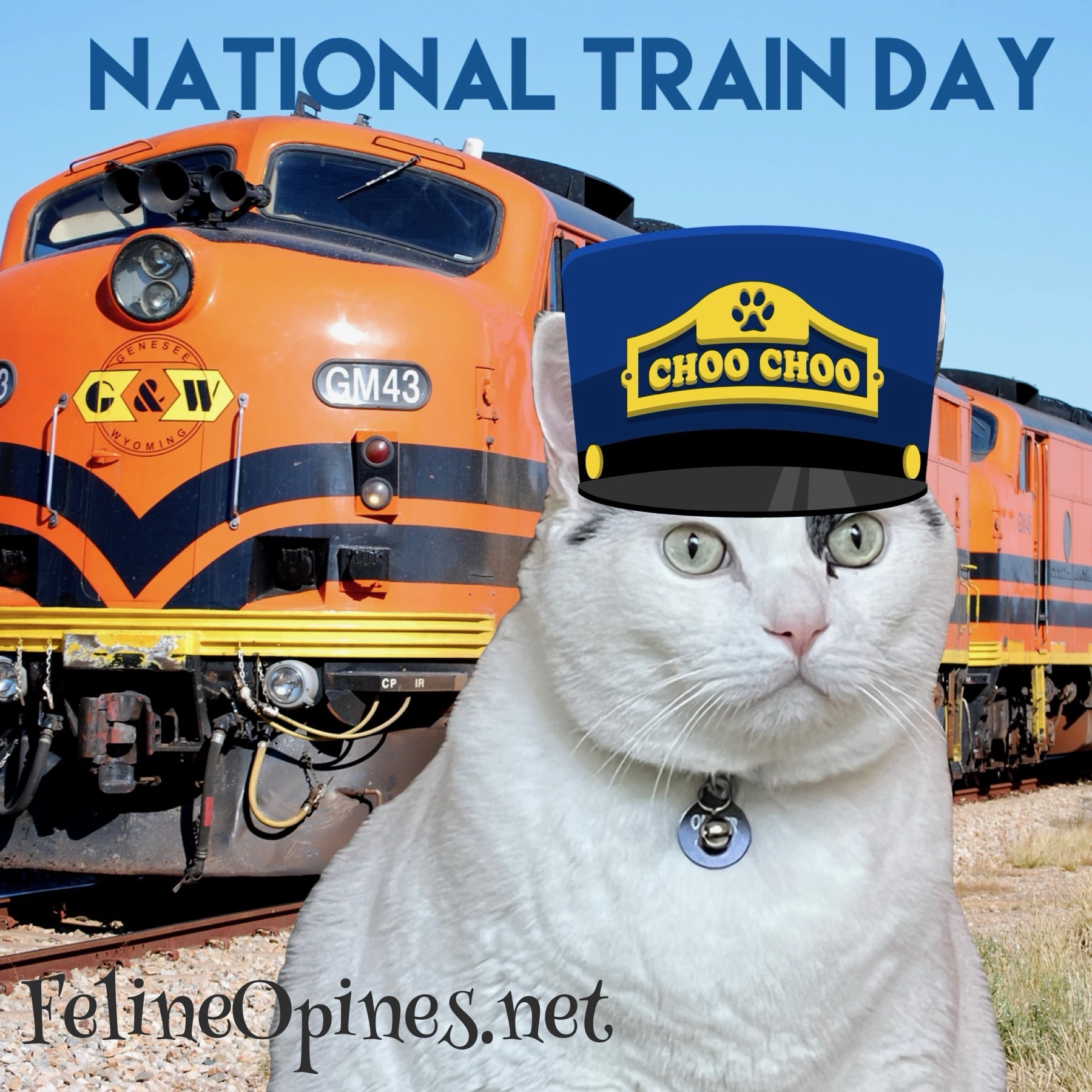
National Train Day is celebrated on May 11 of this year. If you are a train aficionado learn more by clicking here.

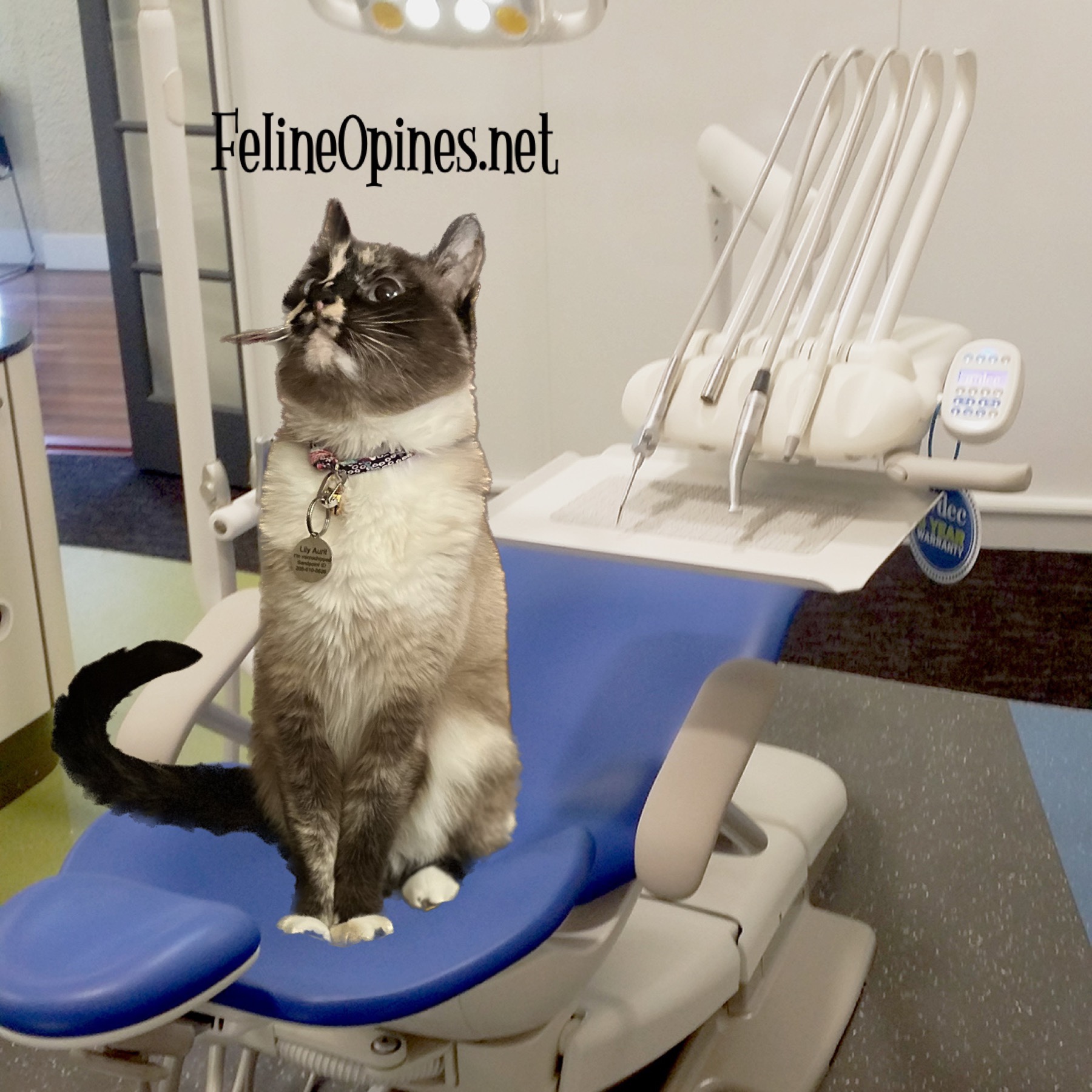
Lily (and the hamster) were a bit confused by National Hamster Day, which began in 2012, by hamster loving folks who wanted to give these pint sized pets their own day.


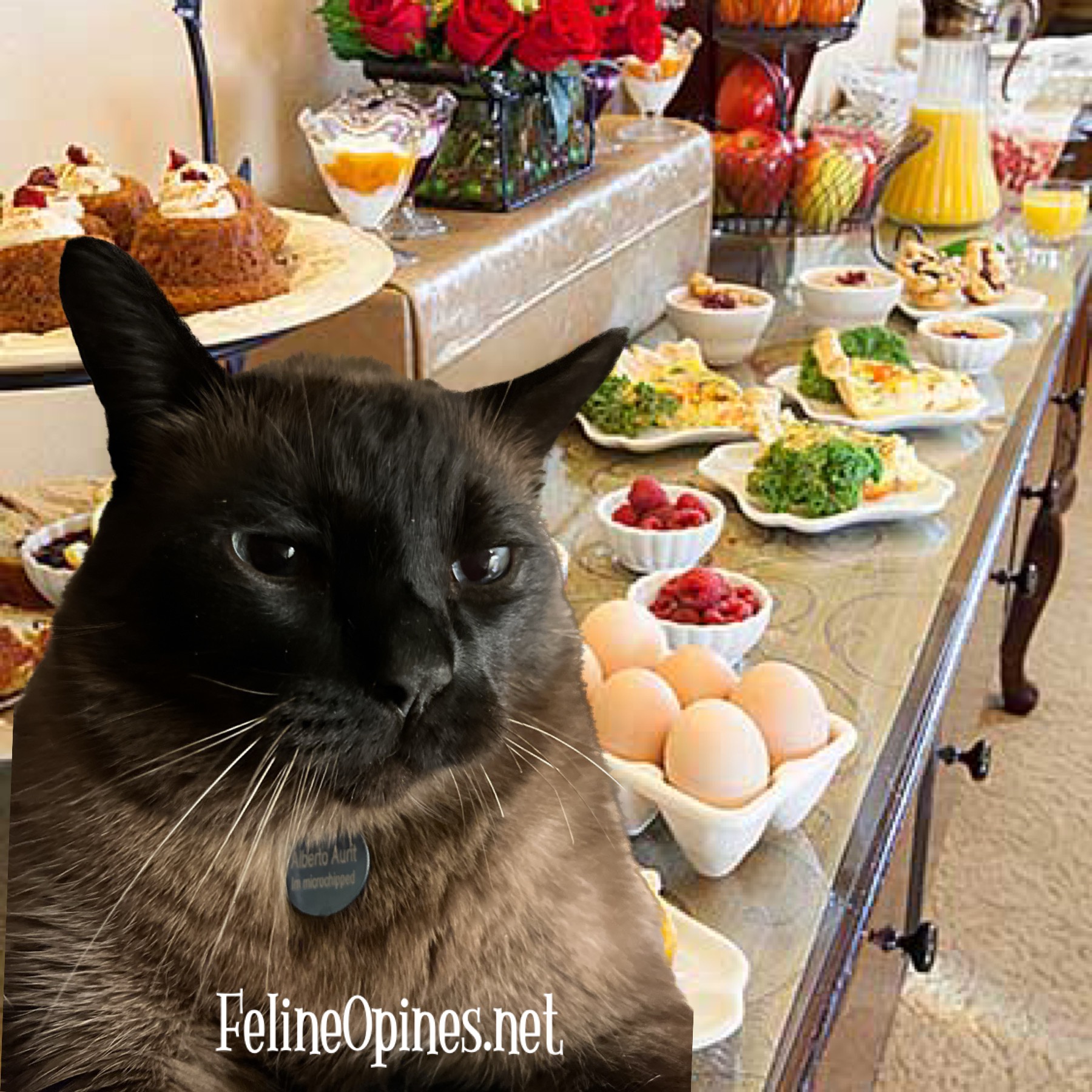
Better sleep month is one of Oliver’s favorite holidays (next to Eat What You Want Day). Yes, it is a holiday and there’s a Better Sleep Council that can provide information about how you and your humans can get more Z’s. Oliver and Alberto each have their own take on this holiday.
We’ve got lots more interesting and unusual holidays to share with you in the future. In the meantime we invite you to enjoy this week’s feline related news items.
The Truth About Ginger Tom Cats
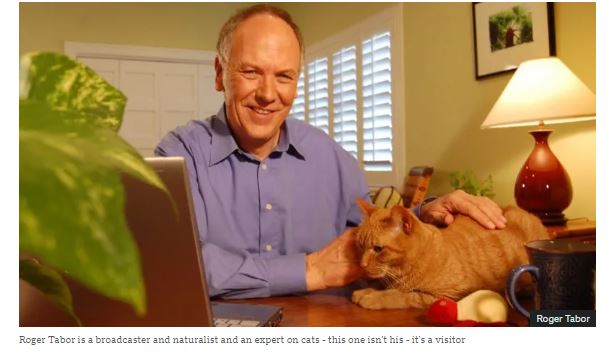
The Human says she’s never lived with a ginger cat and thought I should feature this article by BBC news since she sees lots of ginger cat memes across her social media feed. After she assured me that this was not a set up for bringing another cat into the house, I agreed to include this article.
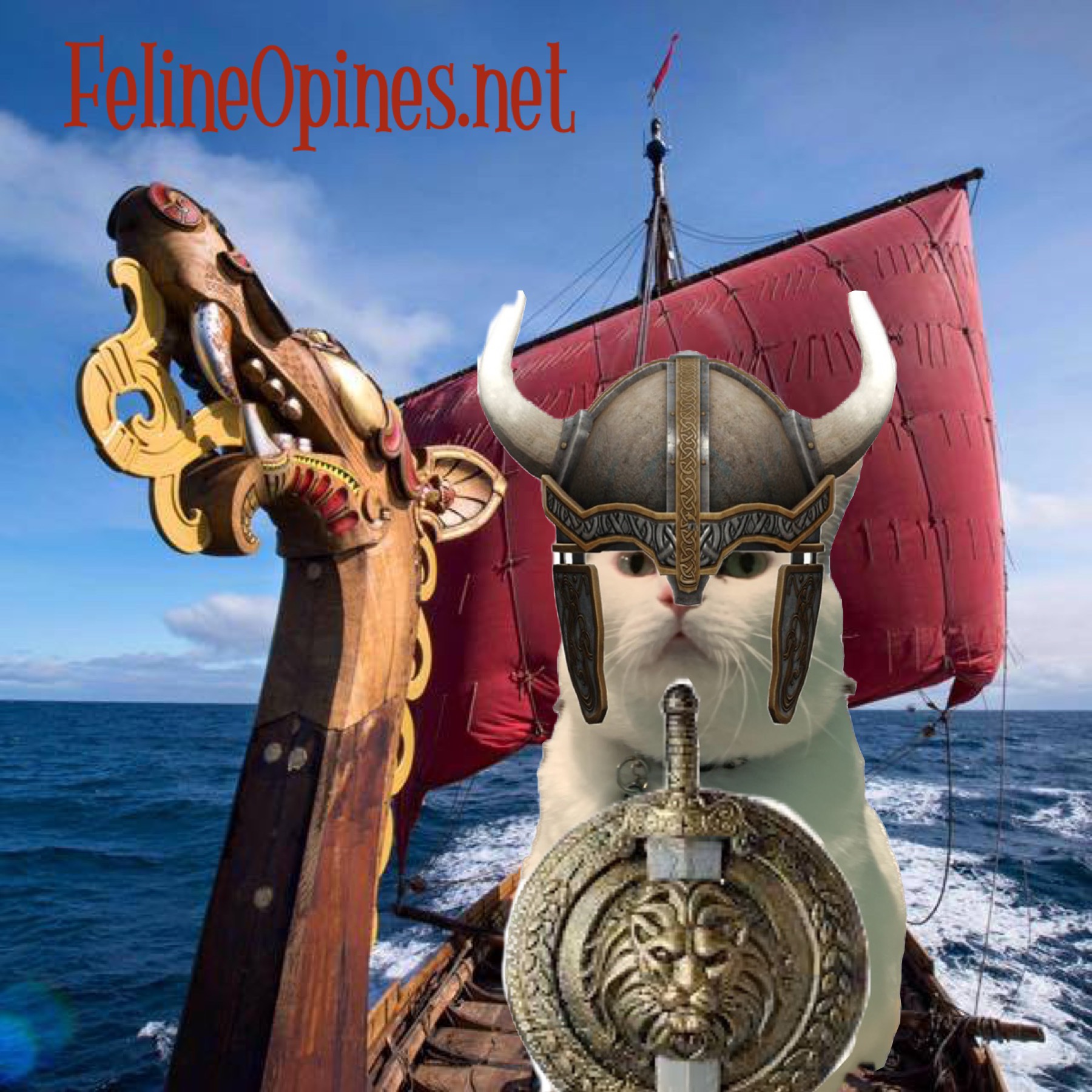
Roger Tabor, an English biologist and cat behavior expert says “”archetypal ‘big old ginger tom’ is the classic cat next door” and their behaviour could be down to the Vikings.”
He said that “the scientific consensus has been there are some breed temperament differences, such as lively Burmese or placid Persians, but not differences on colour,” he said.
“However, studies of owners’ perceptions tell a different story, with calico and grey cats being ‘aloof’ and the ginger cat being seen as ‘friendlier and more affectionate’.”
“Measurements have also shown that generally male ginger toms are heavier than most cats of other colours.”
The article then featured some ginger cats to give the reader some insight into their purrsonalities.
Henry the hospital worker

Ginger tom Henry works with staff and patients at Addenbrooke’s Hospital in Cambridge.
Although he has a home near the hospital, he likes to wander the corridors and food hall, receiving pets and attention . His presence is credited with calming staff and patients and he has won the acceptance of the hospital staff over the years.
Nala the stationmaster
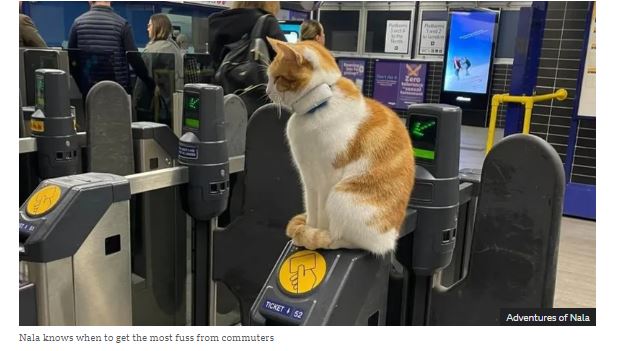
Nala likes the business of the Stevenage railway station in Hertfordshire where he greets commuters. Like Henry, Nala seems more than happy spending his days with the public, perched on top of ticket machines.
Ernie the artful burglar
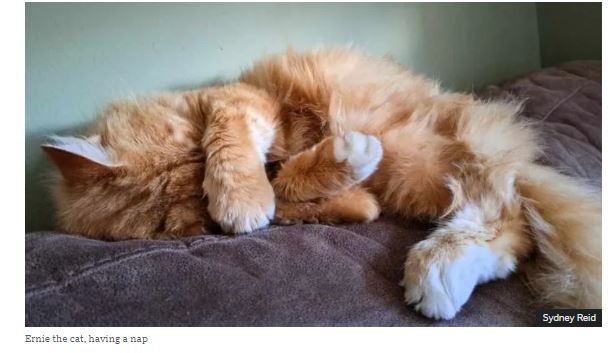
Sydney Reid, owner of ginger Ernie, in Cambridgeshire, England describes Ernie this way, “Ernie is a total menace, we’ve had a pure white, a pure black, a tabby, a tuxedo – and Ernie – and he’s the only one to cause such problems within the neighborhood – what is it about ginger cats?” she said. Ernie has put on quite a bit of weight due to his “breaking and entering” of neighbor’s homes to steal food. Ernie’s human said, “We once had a neighbor knock on our door to let us know he’d taken an entire resting roast chicken off her kitchen side and out her kitchen window.”
The trolley tomcats

Gingers seem to be adept at finding places where they can find food and company. These gingers like to hang out at supermarkets. Pumpkin ignored staff who tried to “ban” him from his local Tesco branch near Norwich. In Ely, Cambridgeshire, Garfield became so popular with Sainsbury’s shoppers that after his death a eulogy was held at the city’s cathedral and a brass monument erected in his memory.
The busy bookworms

Three-legged ginger tom Jasper rose to fame in 2017 after his owner started taking him to work at the University of Cambridge’s Marshall Library of Economics.
“Tea with Jasper” events were popular with students who credited meeting the cat as helping reduce exam stress. They are still holding “Meet Jaspar” events.
The the University of East Anglia in Norwich has its own ginger bookworm, Sylvester.
Sylvester tours the campus grounds and buildings and attends lectures or takes a nap on the library information desk. He has his own Facebook group where students and staff proudly post photographs of their encounters with him.
‘A Viking disposition’

Cat expert Mr. Tabor says that the friendliness and confidence of gingers could be one of the reasons cats were so popular with the Vikings.
Neil B Todd mapped the presence of the feline ginger gene in places where Viking settlements were located in the Scientific American almost 50 years ago. His belief was that the Vikings carried ginger cats from Turkey and around the Black Sea to Scandanavia and Britain. He found that the city of York, once a Viking community, still has a higher population of gingers than London. He thought it might have been the cat’s distinctive fur or the friendly, less fearful demeanor of the ginger that attracted them. “Ginger cats themselves could be said to have a Viking disposition, friendly to people they get on with, but fierce with opponent tom cats.”
3 Science-Backed Ways To Tell If Your Cat Actually Likes You

Although I feel we felines get a bad rap as regards our affection for our humans, I decided to include this article by Scott Travers so you more insecure humans could have some reassurance that we do love you. Here are some ways we show you our love.
1. We ‘Slow Blink’ At You
Some people call this the cat kiss. Slow blinks begin with some half blinks and then usually followed with more4 prolonged blinks or even closing of the eyes. Scientific research has shown that these are not random blinks, but are an intentional way we felines communicate. When we slow blink we are showing contentment and comfort. Research has also shown the cats will often slow blink in response to a slow blink from their humans and they will also be more likely to approach someone who slow blinks at them. Try this out. Sit with your feline and tell them what a good cat they are, slow blink a little and see how your feline responds.
2. Their Tail Is Up Around You
Cats use many forms of body language to communicate with each other. The tail up display is a signal of friendliness when cats are interacting with each other. Kittens will often raise their tails when greeting their mother.
There is a hierarchy in tail-up communication; lower-ranking cats are more likely to use this posture, while high-ranking individuals receive it more frequently. This insinuates that the tail-up display can be a sign of acknowledging the higher social status of the other cat.
When the tail up behavior is used with humans it indicates they feel the human is important and may indicate that they see the human as a parent or friend. It means the cat is comfortable around you and trusts you.
3. They ‘Talk’ To You
Research has suggested that meowing is a more neutral or negative communication. Cats are believed to have the most extensive vocal repertoires of all carnivores. Outside of meowing, the researchers found other forms of feline vocalization to be more strongly indicative of affection or happiness such as trilling which sounds like a meow and purr combined. Cats will trill to greet or to get attention. They will often trill see a human they are bonded with or when they are excited (like when the human opens the pantry and reaches for the treats)
Chatter is another feline verbalization. It’s created by rapid movements of the jaw and a series of quick staccato sounds. Cats chatter when they watch birds or other prey animals through a window or screen. Chatter indicates the cat is highly engaged and excited to interact with you or something in their environment.
Then there is the purr which is probably the most recognized sign of a happy feline. And although it is recognized as a sign that the cat feeling comfort, safety and happiness. It can also be a sign that cats are nervous (I have been known to purr at the vet’s office). But when we felines purr around you, we are saying, “I love you human.”
Discover Your Cat’s Personality by Reading Their Palms
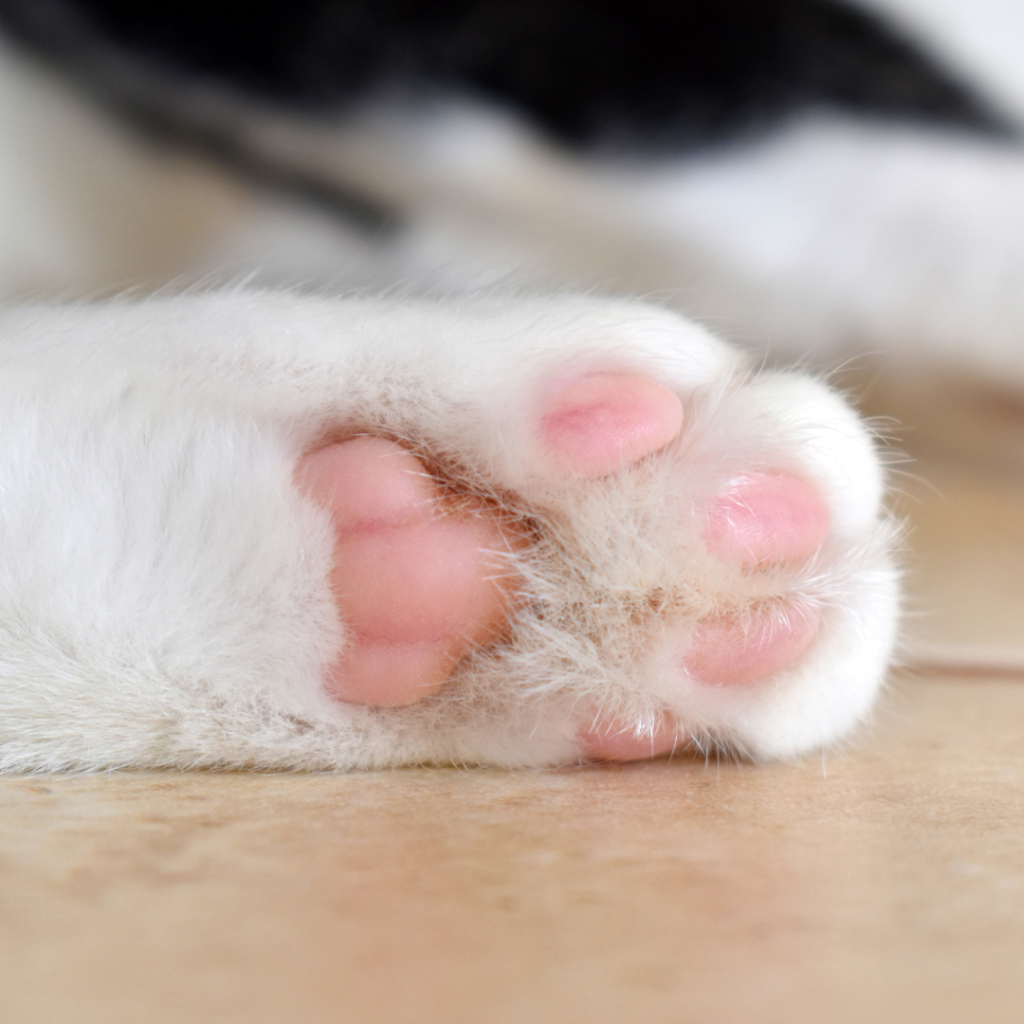
I am not a feline that believes in star charts, tarot cards or other mystical things but I did find this article by Angela Vuckovic about cat paw reading interesting.
She writes that this paw reading phenomenon had it’s origin in Japan and as my regular readers know, I have featured many cat focused articles from the feline-loving folks in Japan. And the newest feline frenzy in Japan is paw reading.
It’s called “Nekteso”, which essentially means the art of reading cat paws. It began with a cat loving fortune teller named Mr. Akatsuki, presented his observations about the link between paw shapes and personalities in cats. Nothing in the article said this was reliable but it’s an interesting concept. Mr. Akatsuki is so enthused about his paw reading work that he wrote a book with paw reading instructions. He says there are five main types of cat personalities, with 13 sub-types, all determined by the slight differences in their toe beans.
Type A Cat (Heart-shaped middle toe bean)
These are the cuddlebugs of the feline world. They are friendly and love to snuggle with their humans or other animal friends. They are also believers that food is love.
Type B Cat (Rounded middle toe bean)
Theses felines are adventurous and social and function well in a multi-cat household.
Type C Cat (Flat-topped middle toe bean with two side bulges)
Type C cats are quiet and solitary. Their preference is to be the only pet in the household. They are wary of strangers but are calm and dignified which makes them great meowdels for your social media posts.
Type D Cat (Similar to C type, but less pronounced)
These cats are not known for their big personalities and are more aloof. They don’t show interest in many things and will only tolerate the humans they have deemed worthy of their presence.
Type E Cat (Toe beans form a triangle)
According to Mr. Akatsuki, these cats are crazy and you’ll be lucky if you get a chance to take a close look at their toe beans (hmm, sounds like our very own “Princess Stabby Toes” Lily).
The Human is determined to get a close look at our toe beans and I’ll report her findings in a future column.


 Home | felineopines