Walk Through The Web Wednesday – 12/6

Hello Furiends,
Winter is confused in our neck of the woods. We had some snow and now we’re having rain, rain and more rain. We don’t mind because we’re nice and cozy inside.

And speaking of cozy, we have nice beds in the office and since The Human is working from her home office, we expect treats on a regular schedule. Oliver and I, being a bit on the portly side, have the amount of treats we get restricted. Skinny Lily can eat as many as she wants. This week I’m sharing with you what we have to go to to get a treat!

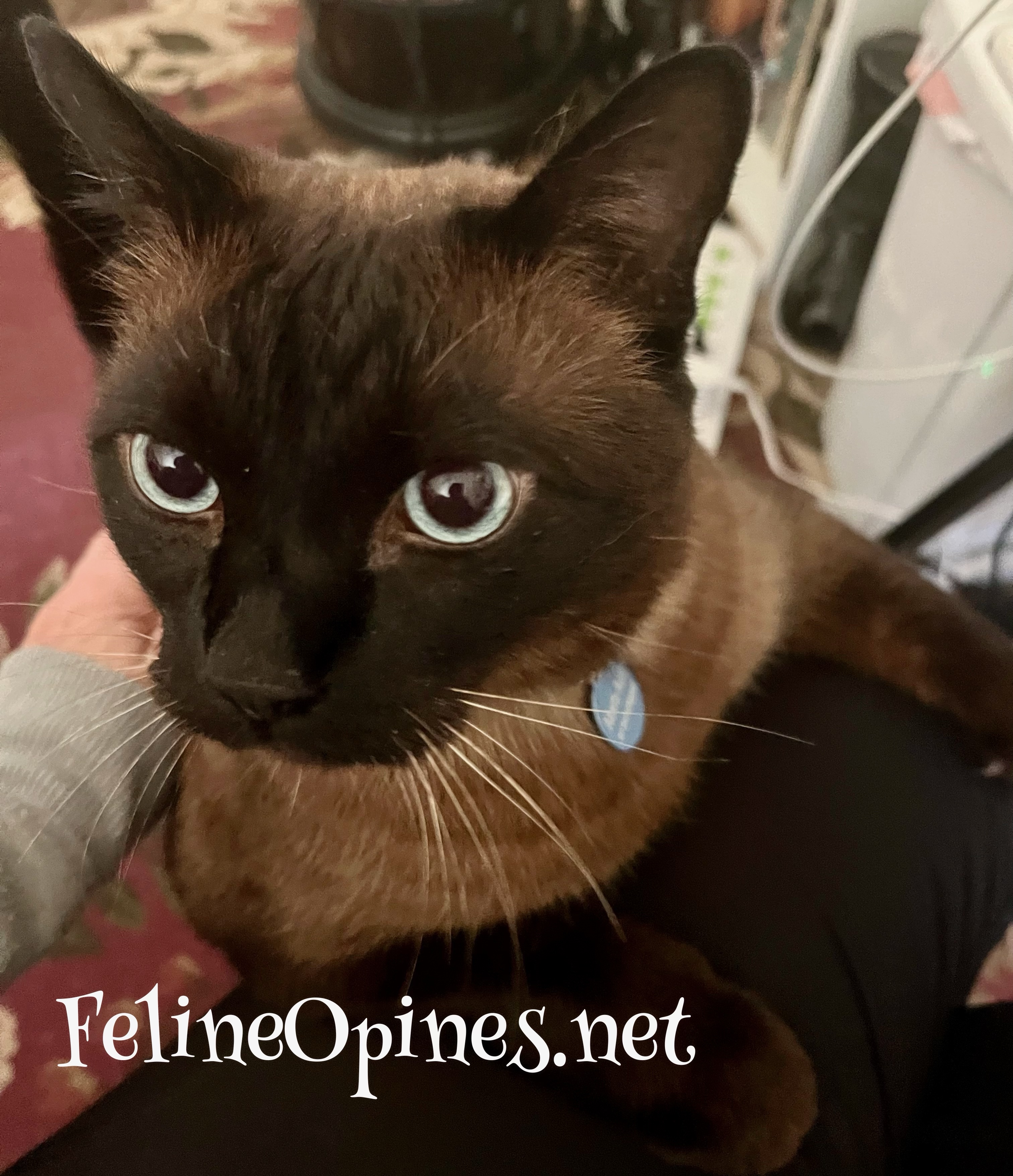
“Hello Human, I see you’ve come in the kitchen to refresh your coffee. How about a small treat while you’re here?”
“She walked away and didn’t even offer me a tiny treat.”
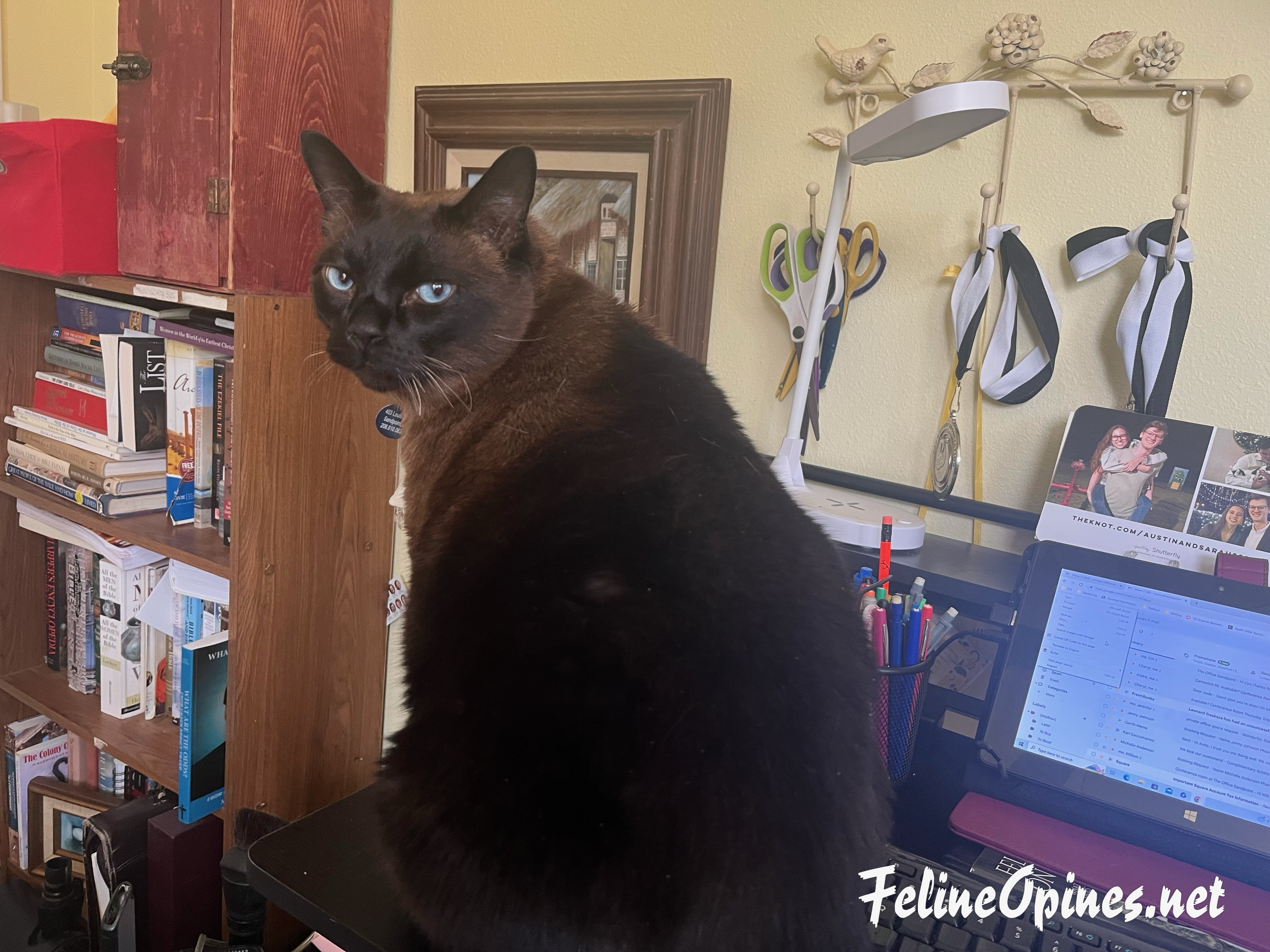
“Hey there Human, sorry to interrupt but I didn’t want you to forget about treat time.”
“Seriously?! You could ignore this face?!”
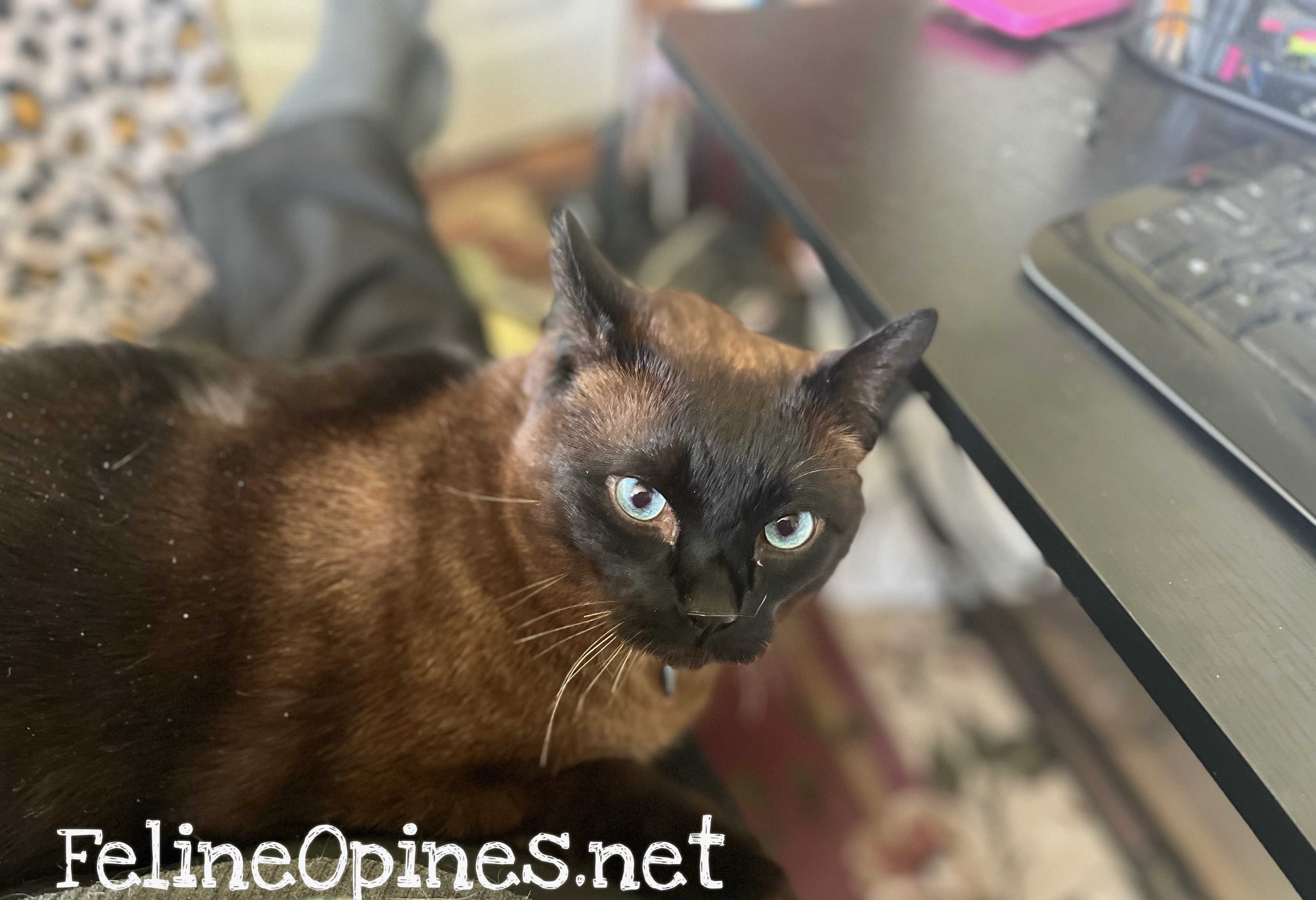
“Oh no! This no treat thing doesn’t apply to me does it?”

Here’s hoping your humans will get you a treat while they read this week’s news.

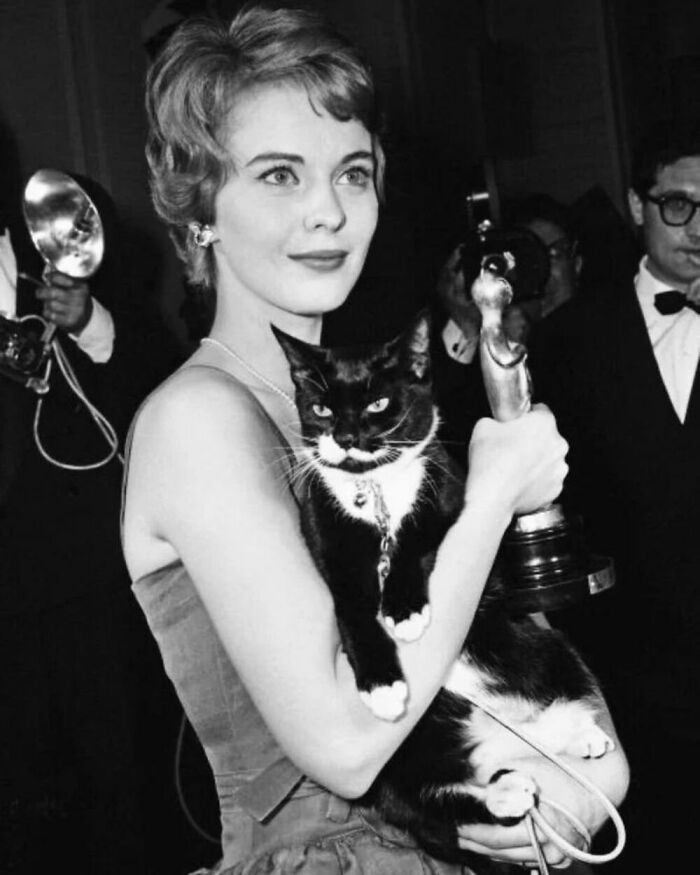
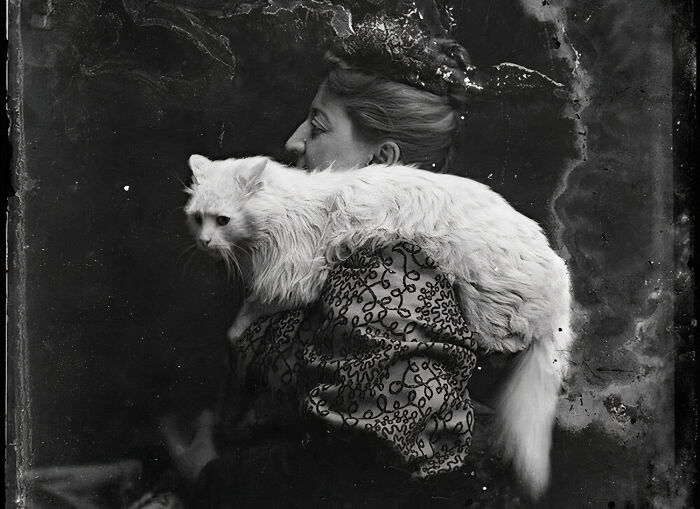
50 Vintage Photos Of Cats That Show Nothing Has Changed In Decades

We felines know that the world has been fascinated with us for centuries. We’ve inspired poetry, music, art and other creative endeavors.

Why even our very own Human has written 3 books and various stories in compilation books about us, her fantastic felines.  

Bored Panda discovered a fantastic Instagram account called All Vintage Cats (@allvintagecats), created by journalist Paula Leite Moreira. This unique profile showcases vintage photographs of cats from various decades of the 20th century, offering us a wonderful album of felines of the past.

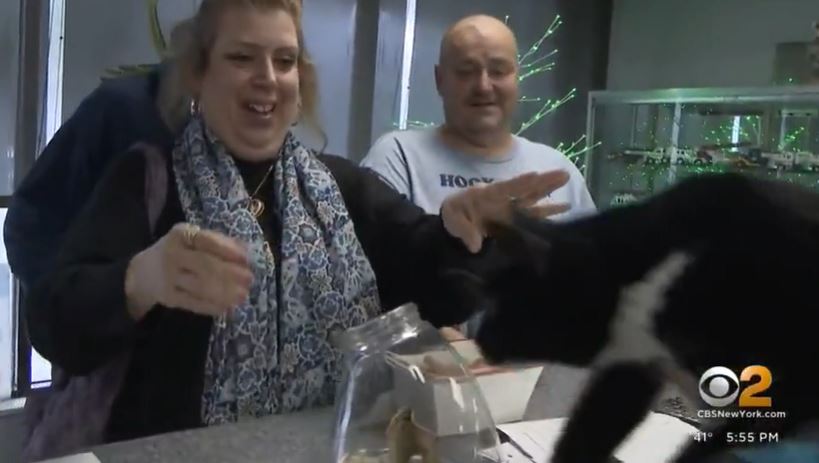
Amazon delivery driver’s love for Kentucky feline friend on delivery route goes viral
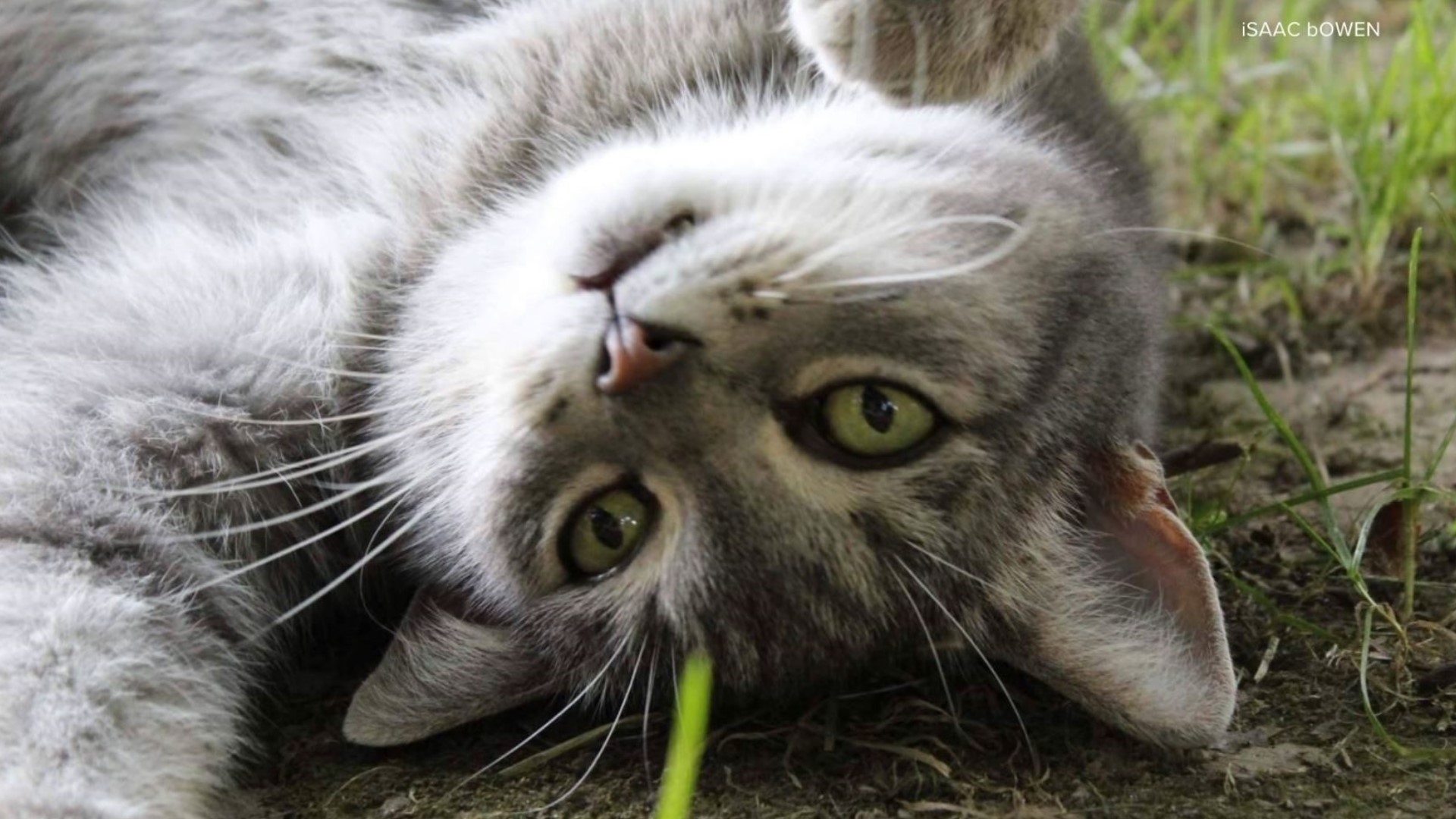
Lolly, photo credit Isaac Bowen

Sure, you read about delivery drivers bonding with canines at the homes where they deliver but they can also have a relationship with the resident feline too.

This relationship in Brandenburg,KY went viral on TikTok, getting over 8 million views.

Evan Snow is an Amazon driver from Clarksville and while on the job, he found a feline friend.  Whenever Snow would drop off packages at Isaac Bowen’s family home in Brandenburg, the family cat, Lolly, would greet him on the porch. Snow would sit on the porch to pet and give love to Lolly.  Sadly Lolly crossed the Rainbow Bridge at the end of October but she shared some lovely memories with Evan.

Isaac Bowen knew the bond Snow and Lolly had, and found security footage of Snow searching for Lolly after he passed.

Bowen made a video with the footage and clips of Lolly and posted it to TikTok. The video gained over 7 million views within the first two days. Thousands of positive comments from users showed an outpour of love for this pair – many of them wanted to do something special for Snow.

We all just know that when it came to Lolly and people, there was something special with that connection,” Bowen said. “He had an effect on people and people had an effect on him.”

Bowen was able to get in contact with Snow to tell him about the video and support, and gift him the presents TikTok users wanted to send him.

The gifts included fulfilled items from Snow’s Amazon Wishlist, a framed picture of Lolly, and a stuffed bear with a recording of Lolly’s iconic meow.

“It was kind of nice to see that video, see an effect he had on a random delivery driver and then be able to thank that delivery driver for still caring for him after,” Bowen said.

Right about now you’re probably ugly crying like our Human is!

New drug calms cats during transportation, veterinary visits

Oliver does not like vet visits.

We felines ar e, for the most part, not fani8s of vet visits. You humans all have your own “cures” for feline freak out. The Human likes to spray our carrier and the car seat with Feliway. Full disclosure, she’s not a fan of medication but we also understand that there are times when medication is called for.

Bonqat is the first FDA-approved animal drug containing pregabalin, which is used in human medicine as an anticonvulsant and to treat neural pain.

The drug is administered orally as a single dose of 5 mg/kg (0.1mL/kg) approximately 1.5 hours before traveling or a veterinary visit and can be given for two consecutive days, according to a November 17 announcement by the FDA.Orion Corp., a Finnish drug maker, conducted a field study of client-owned cats with a history of anxiety that included two separate visits over the course of five to 10 days as well as repetitive transportation and physical examinations for each cat.

A little over half of cats given Bonqat had a good to excellent response during both transportation and the veterinary visit compared to about one-third of cats given placebo, according to the FDA. In addition, 83 of 108 (77%) cats given Bonqat showed improvement in levels of fear and anxiety over the course of the two physical examinations, compared with 46 of 101 (46%) cats given placebo.

Adverse reactions related to Bonqat included mild sedation, ataxia, and lethargy.

Bonqat is only available by prescription from a licensed veterinarian because it is a Schedule Class V drug under the Controlled Substances Act with a potential for human abuse. In addition, professional expertise is required to monitor the safe use of the product, including proper dosing and administration.

Appropriate precautions should be taken while handling Bonqat, the FDA warned, including avoiding contact with a person’s skin, eyes, and other mucus membranes. People exposed to pregabalin should seek medical advice and may experience dizziness, sleepiness, blurred vision, weakness, dry mouth, and difficulty with concentration or attention.

SHELTER CAT’S HILARIOUS ADOPTION DESCRIPTION GOES VIRAL: “SHE WILL OWN YOU”

Oh how I love when you humans are creative about working to find forever homes for felines. This story shows great creativity on the part of the humans at this shelter.

“Do you want a cat who doesn’t want you? Do you crave the feeling of being judged in your own home? Do you need someone who will slap you back into reality without notice? If you answered yes to any of these questions, we have the cat for you! Meet Quinn,” the Humane Society of Washington County wrote in a refreshing honest Facebook ad for the kitty.

“She’s our longest-term cat resident, and we get it,” they noted cheekily. “Quinn’s not for everyone.”

Washington County Human Society employees wanted Quinn to find a loving forever home, but they also needed to make sure that potential owners knew exactly what they’d be getting themselves into.

According to the shelter, Quinn “has an uncanny ability to make people feel unwelcome in her presence.”

On the plus side, they joked, this 3-year-old calico cat is very lazy, only wants to play once a month, and is “essentially a more lively houseplant, because all she really needs a human for is food, water, and changing her litter.”

Quinn the cat finally finds her forever home

According to an exciting new post, it looks like Quinn the cat has finally found a taker!  © Screenshot/Facebook/Humane Society of Washington County

Staff at the Humane Society of Washington County continued their quirky deadpan description of the adoptable cat, warning that she isn’t built for a home with dogs, kids, or cuddles.

They say that, if you decide to adopt Quinn the cat, “She will own you, your house, your belongings, and everything you hold dear.”

The cheeky post boasts over 1,000 views and hundreds of likes since being posted on November 24 as part of a Black Friday adoption sale.

According to an exciting new post, however, it looks like Quinn has finally found a taker!

“She’s not happy about it, but Quinn has been adopted!!” the shelter updated.

Quinn, we wish you good luck in your new home and hope your humans are the patient kind!

Can science find a better way to trim a cat’s nails?

The Human is ecstatic about this as our dear Lily (aka “Princess Stabby Toes”) has a tendancy to go feral if you try to hold her down and forget trying to clip her claws.

University of California, Davis, researchers are working with the Sacramento SPCA to alleviate a near-universal source of stress for cats and those who care for them: nail trimming.

Clipping a cat or kitten’s nails should be a routine practice, not only for the health of the cat and humans, but also to protect curtains, couches and other housewares.

But it can be a nerve-wracking task for all involved, and the noise and discomfort of a shelter can increase anxiety.

Ph.D. student Jennifer Link, who is in the UC Davis Animal Welfare Epi Lab, is working to lessen the trauma through a multistep protocol intended to desensitize the felines to handling and then nail clipping.

In mid-July, Link began visiting the Sacramento shelter each weekday in two-hour shifts to work on socializing rescued and surrendered cats to help ease their reactivity to new people, actions and environments. By the end of September, she had seen more than 70 cats.

“When people hear that I study cats, many ask if I can help them with nail trims,” Link said. “We know that socialization matters throughout life.”

Dan Marple, the animal welfare manager at the Sacramento Society for the Prevention of Cruelty to Animals, said the research is of paramount interest to staff, volunteers and donors because it can reduce the stress of this necessary grooming need.

“Any new protocols that increase the comfort and safe handling of the cats in our care will also improve their overall well-being and adoptability,” he said.

The cats decide

Link’s research incorporates cooperative care, which lets the animals decide their level of interaction during the training process. The cats go through one of three scenarios with Link: a handling and nail trim training protocol, a handling-only training protocol, or a control with no training and only a nail trim. Each interaction is recorded for later analysis.

The protocol groups involve habituation to get the cats comfortable. On those days, they are removed from their cages and placed in a quiet shelter room where Link is sitting, with a mat laid out before her. If a cat puts their front two paws on the mat, they are given pets and a treat. The cat is meant to learn that Link interacts with them only when they place their paws on the mat. Once this is learned, Link moves forward with the training protocols.

In steps, Link touches the cat’s legs, then the paws and then those paws get a gentle squeeze. If they don’t resist, one nail is trimmed.

The procedure builds on past steps and works up. Once the cat has gone through all the steps, they get a nail trim. If a cat doesn’t interact or rejects any step, Link stops the handling. “I think with the cooperative care, it does seem to almost improve their trust in me,” Link said. “They are more comfortable if we let them decide.”

Improving life in the shelter

The work is funded as part of an American Society for the Prevention of Cruelty to Animals applied behavior grant awarded to Carly Moody, an assistant professor who runs the Animal Welfare Epi Lab. The goal is to improve the welfare of cats during the routine procedure of handling and nail trims.

Moody said the protocol could be taught to volunteers, in order to change an often-stressful experience into a more positive experience for both the handler and the cat.

“A lot of cats in the shelter want affection,” Moody said. “Hopefully in the future something like this could be incorporated into shelter cat enrichment and management programs.”

It could also help owners at home and decrease the number of visits to clinics and veterinary hospitals, where people often seek help with nail clipping, Marple said.

“A lot of owners don’t have the tools to make nail trimming more positive,” Moody said.

Next, researchers will analyze the video sessions and finalize the protocol. If the protocol is found to be helpful, they may share it with cat managers at other shelters for additional data and input.

Paws crossed that this is a success and that all you humans can try it on your less than cooperative felines.
Walk Through The Web Wednesday – 3/1

Hello Furiends,
Don’t let the photo above fool you, it’s still cold and snowy here. This is a photo The Human took from the kitchen window the other evening. It’s COLD out there.

When The Human works in her office at our house, there are some rules that must be observed. The other day was a dismal failure as these photos will portray.

“Excuse me, you have neglected to bring my chair over to the desk.”
“Okay, that’s better and the chair looks ready.”
“I don’t want to sit on my chair anymore. Your lap will be fine.”

And now that we’re in the merry month of March, we thought we’d celebrate some holidays.

We missed this one on Feb. 27 but Oliver insisted we include it.

National Polar Bear Day

National Umbrella Month

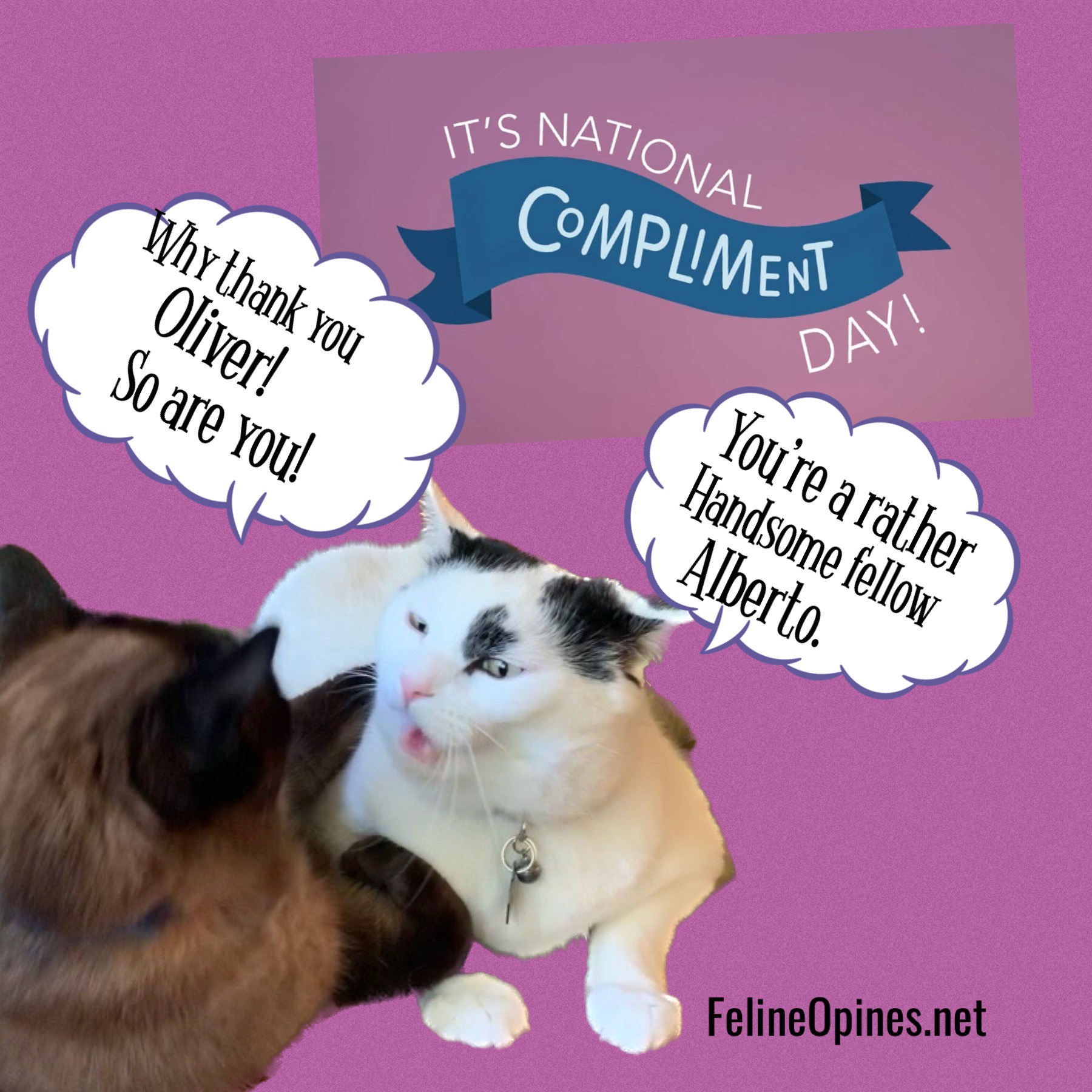
Wednesday, March 1, 2023 – World Compliment Day

And now, let’s take a look at this week’s feline news.

Can Cats Tell Time? Yes, But It’s Complicated

“Human, do you know what time it is?!”

The Human never has to worry about getting up in time – as long as she gets up in time to feed us!  She always wonders how we adjust to the silly “savings” time changes you humans use and has often wondered if we can tell time (or are hiding tiny little watches under the fur of our wrists).

In the article linked here, Kevin Healy, a zoology researcher at the University of Galway, discusses whether cats perceive time better or worse than humans. Smaller animals and predators tend to have faster time perception, but that’s not the case with cats. He said, “We can see time a little faster than cats who have a frame rate of 55 compared to our 65,”.

The second way to answer whether cats can tell time as well as humans has to do with whether cats have episodic memories, (memories of specific events in time). The ability to form episodic memories may be central to what cognition researchers call “mental time travel” — the ability to mentally project forward and backward into time. It’s long been thought humans are alone in our ability to mentally time travel, but that might not be the case after all.

Daniel Dombeck is an associate professor in Northwestern University’s department of neurobiology who has researched time perception in mice. He says it’s “unlikely” humans have a unique gift for mental time travel, though it’s probable humans can remember farther back in time and in greater detail than rodents.

To prove whether cats have episodic memories, you’d have to conduct tests that rule out other possible explanations — like a biological rhythm signaling it’s time to eat — for why a cat might appear to “remember” something, which is difficult to accomplish. Scientists believe that there are many animals with episodic memory.

A 2017 study found that cats indeed contain “episodic-like” memories, but the lead researcher on that study, Saho Takagi, isn’t sure whether cats really need episodic memories for time perception.

“It is difficult with current technology to prove whether or not they do mental time travel, but at least my research has shown that cats form episodic-like memories,” Takagi says.

To conclude: the jury is still out on this question, pending further animal cognition research — and hopefully, cat-specific studies.

Two words can explain your cat’s alarmingly precise ability to detect when it’s dinnertime: biological clock.

There are several ‘biological clocks’ that can assist with their ability to determine the passage of time. The most well-known is the circadian rhythm or the “24-hour” cycle, which often corresponds to light and dark times of the day. Another mechanism is the “zeitberger” which sets the biological clock and causes jetlag and other phenomena in its absence. Examples of zeitbergers include drugs, the pineal gland, the presence of light, and atmospheric pressure.

These internal mechanisms and external cues from the environment — like their owner stirring in bed — can signal to the feline in your home that it’s time to eat. Mikel Delgado, a cat expert at Feline Minds, lists some of the most common environmental signals that indicate breakfast time for cats:

Changes in light and temperature

The smell of coffee brewing

Their human walking toward the kitchen

If your cat wakes you up for food early and you give into or reinforce that behavior, you may be unintentionally turning your cat into an “alarm pet” who expects meals like clockwork.

“Woe to the owner that makes the mistake of giving in even once. These cats benefit from automated feeders so that the owner is removed from the cat’s motivation to be fed,” Stelow says.

Cats differ from diurnal humans, who sleep at night and are awake during the day. But contrary to popular belief, they’re not technically nocturnal but crepuscular instead. Crepuscular beings are most active during dawn and dusk — before sunrise and after sunset — which might explain why some of us get the zoomies at 3am.

Some experts say this particular difference in cat and human biology shouldn’t drastically affect their perception of time. The scientists interviewed for this article agreed that human activity is more likely to influence when cats are active versus their crepuscular biological clock.

Experts have a few tips to offer to help your furry friend keep track of time in case they have separation anxiety when you head out for work or can’t stop bugging you for meals at the wrong time.

Above all else: make sure to keep to a set routine like meals and play at designated times as well as cleaning the litter box. Disrupting a cat’s daily routine can stress your kitty out, leading to physical ailments like vomiting and diarrhea.  Providing an automatic feeder that dispenses multiple small meals at specific times throughout the day can help establish a routine.

Cats are in tune with their environment and their timing is based on routine activity. For instance, when The Human comes home at the end of the day, we know we get some dental treats. Lily comes running from wherever she was snoozing and sits on the shelf of the hallway credenza, waiting for her treats while Oliver and I patiently wait on the carpet.

In conclusion, we felines can’t really tell time but we do understand our daily routine and if food or snacks are associated with that routine, we’ll remind our humans if they forget!

Cat Camp led by ‘My Cat From Hell’ host

The first in person Cat Camp since 2019 happened last weekend in San Diego with cat whisperer and expert Jackson Galaxy. There were booths for shopping, presentations on kitten care and animal welfare efforts and even a seminar on how to shoot great photos of your feline.

Galaxy, whose show “My Cat From Hell” ran for 10 seasons on Animal Planet, held a morning session Saturday reserved for VIP attendees to ask him their most pressing questions. Litter box and cat aggression issues, he says, are the most common subjects he’s typically asked about, and Saturday was no exception.

Asked what he thinks about scented litter boxes, his answer was unequivocal. Don’t use them, he advised.

“Cats’ noses are so sensitive. They’re defined by scent, so (the scented litter boxes) are going to cover up everything,” he said.

And speaking of scent, Galaxy advised a woman worried about her imminent move from San Diego to Arizona to pack up everything in her home that “smells like your cats” and put it to “your new base camp” until her cats adjust to their new home. Oh, and don’t wash out the litter box no matter how tempting it is, he cautioned.

The dominant issue, though, on the minds of organizers and many of the attendees was the care and rescue of kittens and cats with no homes. Organizations like the San Diego Humane Society and the local Feral Cat Coalition staffed booths at Cat Camp, and speakers talked about how their own cat rescue efforts changed their lives.

People came from all over the country to connect and share resources regarding cat rescue in their areas.

We give two paws up to all you humans who use your time and resources to help feral, stray and lost kitties.

30 Old Photos Of Cats Posing Together With Famous And Interesting Personalities Of The Past

The “All Vintage Cats” project on Instagram, which shares impressive vintage photos of cats, has been gaining popularity with over 500 posts. The creator of the project, Brazilian journalist Paula Leite Moreira, came up with the idea during the pandemic when she saw an old photo of a cat and became interested in finding more vintage cat images. She sources images from historical collections, image banks, and social media platforms.

You can see many vintage photos on Bored Panda by clicking here, and here.

When asked about how she came up with the idea for the project, Paula explains that it was by chance. “I always wanted to create digital content, but I lacked an insight that was really original,” she shared. “At the beginning of the pandemic, I saw a photo of a kitten that was said to be from 1880. I fell in love and started researching more images from the time. So I came to the conclusion that all that research could be published, even if it didn’t have many readers.”

Paula constantly searches historical collections, image banks, and websites of international magazines for these photos. She also uses social networks like Pinterest, but always checks the information disclosed on other sites. Given the journalist’s passion for cats, we asked if she had any of her own. “I had a kitten for 18 years who passed away last year and I still haven’t adopted any new cats. But without a doubt, it’s a will that I have. I want to have at least a couple to keep each other company.”

Eight lives left: Ernie the cat rescued from gutted Long Island home 12 days after fire

Talk about happy endings! A family cat was found alive 12 days after a Long Island home went up in flames, and the discovery was made after a faint meow was heard inside the gutted, boarded-up home.

Ernie the cat seemed to have relief etched in his 10-year-old face. The soot in his fur and smoke in his lungs are becoming distant memories. 

His humans were thankful and astounded how Ernie had survived so long without food, water or comfort.

Debbie Robinson, Ernie’s owner said, “I don’t know how much longer he could have gone for. Almost two weeks. We’re just thankful were there that day.”

Ernie was discovered twelve days after the fire, when the family stopped by for mail and heard a faint cry. 

“I didn’t know if he was in a wall. I didn’t know where he was. And then the crying stopped,” Robinson said. 

“ I dropped everything I was doing,” said Frankie Florida, of Strong Island Animal Rescue League. “I made my way to the highest point in the house. That’s when I found him. I needed to get him to a hospital right away because 12 days, no food, no water is a serious situation.” 

“He’s been wonderful, healthy. We had all kinds of tests done on him. He was just a little dehydrated,” Robinson said. 

Sadly, Ernie was the only pet who survived the fire. Four pets died in the fire including the therapeutic pet for son Glen, on the autism spectrum. 

And another miracle happened when Ernie’s sister Remi was found unconscious that night by firefighters who performed CPR. 

You could say Remi and Ernie rose from the ashes.

Ernie’s veterinarians were stunned by his recovery and say he will be just fine.

Five Feline-Filled Japanese Destinations For Cat Lovers

If you follow my news features, you know that the good people in Japan love cats and now, I’v e found some must see destinations in Japan for cat lovers.  Cats are even considered good luck charms in the country.   So, if you find yourselves in Japan check out these must see destinations.

Yanaka, Tokyo

Roughly fifteen minutes north of Tokyo Station by subway, you’ll find the idyllic Tokyo neighborhood of Yanaka, famed for its traditional architecture, historic temples, and massive population of friendly cats. Visitors are welcome to stroll through the Yanaka Cemetery or pay a visit to Kyōō-ji, a historic temple that played a prominent role in the Battle of Ueno. While there’s no shortage of street cats to discover in the narrow alleys and side streets of Yanaka, Yadorigi Cafe offers the opportunity to make a few new feline friends while enjoying coffee and hearty Italian cuisine.

Aizuwakamatsu

The central Honshu city of Aizuwakamatsu is best known as the home of Aizuwakamatsu Castle—a massive structure built in the style of a traditional Japanese fortress—but just south of the settlement, is Ashinomakionsen Station. Back in 2008, resident feline Bus (ばす) was deemed honorary stationmaster, a role that she carried out until 2015. Since then, multiple cats have taken on the job, with Sakura (さくら) being the most recent appointee. Visitors can find Sakura working tirelessly during a trip to the station, while her human coworkers run an Instagram page dedicated to highlighting her day-to-day activities.

Kyoto

Kyoto draws both domestic and international tourists thanks to its ornate temples and rich history, and it’s not just humans that thrive across this storied city. The streets of Kyoto are filled with wandering cats all throughout the day, but for guaranteed feline sightings, Nakagyo is home to a wealth of cat cafés ranging from Fluffy’s Cafe to PuchiMarry. If you’re searching for some cat-themed memorabilia, Nyan-nyan-ji can be found on the outskirts of the city, offering a massive collection of jewelry, statues, and paintings depicting cats throughout history. As an added bonus, guests may be able to catch a glimpse of the property’s resident feline head priest.

Gotokuji Temple

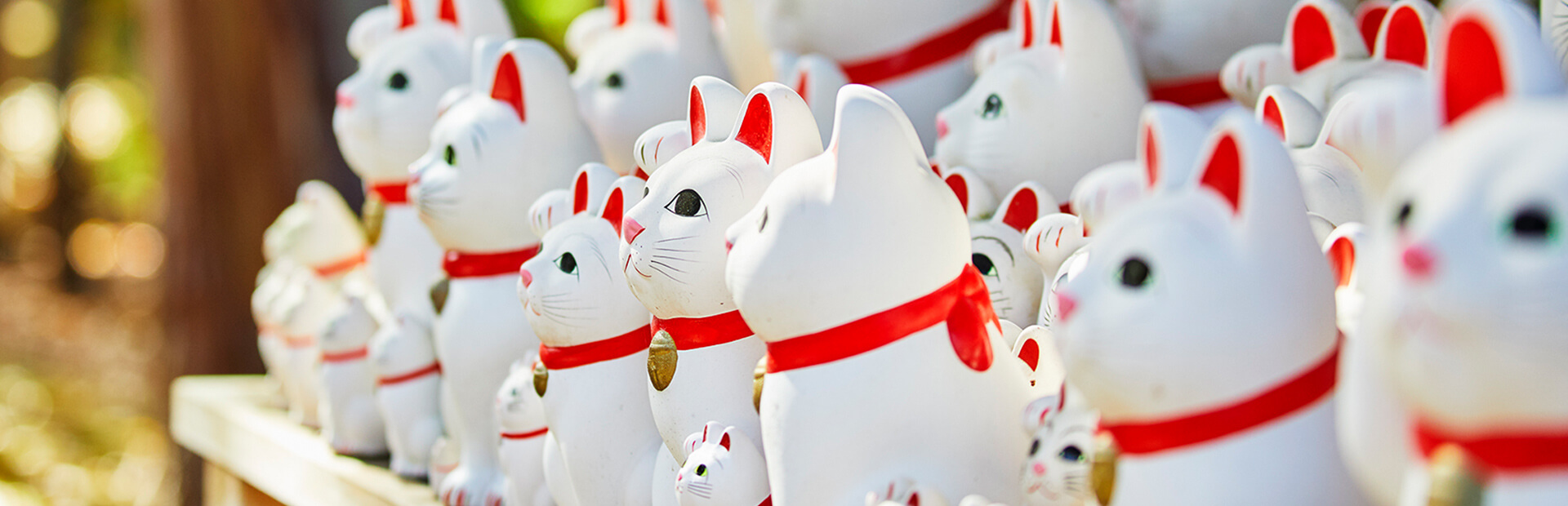
Established centuries ago, Tokyo’s Gotokuji Temple is a top destination for fans of the maneki-neko, or beckoning cat. This iconic figurine can be found in businesses all across the globe, serving as a good luck charm in East Asia and within the greater East Asian diaspora— and Gotokuji Temple is home to one of the largest collections of maneki-neko in all of Japan. While the huge crowd of figurines is certainly the main attraction (and they’re available for purchase, as an added bonus) the temple doubles as a particularly idyllic destination for an afternoon walk, loaded with towering trees and native birds.

The story of the temple is told that a lord, on his way back from a falconry was beckoned by a cat at the temple gate and decided to stop by.  While the lord was at the temple, rain began to fall and thunder clapped around him.  As the lord sat dry and safe in the temple, having a conversation with the temple master, the lord credited the cat with his good luck.  The Gotokuii temple built the the Shofuku-den to enshrine the cat that brought good fortune, naming it as “Manekineko”. Ever since, people visit Shofuku-den to pray for the well-being for the family, prosperous business, luck and happiness.
A statue in standing position of Shofuku Kannon-bosatsu is enshrined in Shofuku-den.

Tashirojima

While it’s not the most easily-accessible destination in Japan, (you need to take an hour long ferry trip from Ishinomaki to visit, the island of Tashirojima. It is one of the most incredible stops for cat lovers in all the nation. In the 1600s, Tashirojima was home to a large silk industry, and cats were used to prevent mice from eating the resident silk producing insects. Today, the ancestors of those cats can be found all across the island and  several hundred felines now call the docks home. While there aren’t a whole lot of amenities to enjoy around Tashirojima, newcomers can pay a visit to the local cat shrine and—of course—snap some photos of the adorable residents.