Hello Furiends, I’m guessing that all my U.S. feline furiends are smelling some tasty turkey about now. The Human is hurrying to have things ready to take to her family for a big feast. We will be back next week with our regular Walk Through The Web Wednesday feature but for today, we wanted to tell you all how grateful we are for you and to wish everyone lots of leftovers, purrs and naps.
We have each prepared a little Thanksgiving message for you. Until next week! Purrs & Head Bonks, Alberto, Oliver, Lily and The Human
Hello Furiends, Since you humans decided to take away an hour of daylight from us, we felines have had a bit of trouble adjusting. It’s dark by 4:30 in our neck of the woods and we’re bit confused. I normally sit on the hallway cabinet and scream when I can’t figure out why The Human isn’t in bed to cuddle. Needless to day, this does not go over well with The Human. So, when all else fails, we nap.
Me attempting to adjust to daylight savings time
Oliver attempting to adjust to daylight savings time.
Lily attempting to adjust to daylight savings time.
Still, there was a bit of drama when Oliver’s girlfriend showed up one afternoon.
Hello, is Oliver there?Oh good grief, she won’t leave me alone!
Why are you interrupting my late morning nap time?
I already told you, I’m not a one feline type of guy!
Oh for heaven’s sake, I’m going back to my nap. Human, you deal with her.
Since the little tiff, Oliver’s girlfriend has not visited. I hope she found a boyfriend who treats her nicer!
Excuse me sir, would you be interested in investing in my new cat product?
This article was of interest to The Human as she is an entrepreneur. Did you know that feline-focused startups receive far less funding than those targeting the canine crowd? Using Crunchbase data, a list was created of 11 companies funded in roughly the past couple years with a full or major focus on felines.
Altogether, they’ve pulled in nearly $140 million for offerings ranging from human-grade cat food to microbiome-based supplements to an AI-enabled movement-tracking collar.
The article lists a number of feline product providers who have received funding. Still, this feline wonders why there aren’t more when U.S. households alone are estimated to house more than 58 million cats. Globally, the population is in the hundreds of millions. Add to that the fact that spending on pets surged during the pandemic, as did venture funding for pet-focused startups. Data indicates cat owners aren’t scaling back, either.
The percentage of American households with cats has actually kept increasing, even after pandemic restrictions waned. Perhaps it helps that even if we’re at home less, cats are pretty content to be on their own.
So all you feline focused entrepreneurs get those products out there!
My regular readers know how I love stories about adventure cats and this article from Outsider Magazine features 9 very cool adventure kitties.
The two featured in the photo here are the team of Pinecone and Mushroom. Their outdoor skillset is hiking and kayaking. Their human, Becca Terry loves to hike and kayak. After the shut down, she got Pinecone and she was excited to take the feline out to see and enjoy the things she had missed.
Pinecone became the perfect hiking partner. A year later, Mushroom joined the family, and picked up the adventure spirit quickly, despite visual challenges from only having one eye. Because cats are inquisitive and want to inspect everything, they hike at a generally slower pace than people, which can help their human companions slow down and “smell the roses”.
“When we go somewhere with Mushroom, usually I make sure I have a decent amount of time to be out on the trail,” Terry says. “Or sometimes I’ll pick a spot that’s shorter, like instant gratification—like a drive up to a mountaintop—but I let her move how she wants to move.”
Also, Mushroom is here to defy whatever stereotypes you have about cats being afraid of water. She’s not only a brave hiker but a regular kayaker. “I have her in my lap, and we don’t go on anything that’s got a lot of rapids,” Terry says. “So she usually falls asleep like she does in the car.”
Be sure and read about the other adventure cats in this article.
While the character of Goose is returning for The Marvels, the feline actor who portrayed the animal companion in Captain Marvel did not reprise their role. The Marvels filmed in the U.K., not the U.S., like Captain Marvel, and recruited local animal talent for the movie.
Jo Vaughan, an animal trainer for the film and TV industry, was the lucky individual tapped to help select the cat for the Goose’s part and train the feline for the movie.
The trainer found a selection of cats that looked like the feline who played Goose in Captain Marvel, and two of those animals got the part.
“They picked Tango as the lead cat, and then we utilized Nemo as a backup cat,” Vaughn tells PEOPLE of the pets selected for the role.
Meowza, did those cats have to learn a lot as they were both new to acting. Vaughn “started from scratch,” training the cats for the movie over three months. First, she tackled environmental training, making the felines comfortable with a live film set’s active, loud, and often chaotic environment.
“The environment is a big factor because cats are generally quite nervous creatures, so they have to be comfortable around all those people and sounds,” the trainer says.
Most cats’ initial timidness to new environments is one of the most noticeable differences between training cats and dogs for Vaughn.
“Everybody takes their dog for a walk. Most people take their dogs in the car. Unless you’re taking your cat to the vet, nobody takes their cats anywhere. Usually, if your cat goes outside your house, it’s a bad experience. So you have to teach cats all these new things are positive,” she adds.
After mastering environmental training, Tango and Nemo focused on learning specific behaviors needed for The Marvels. Before filming started, Vaughn trained both cats to hit all their marks based on what appeared in the script.
“The biggest thing to us trainers is that the cat is comfortable knowing what we’re asking of them,” Vaughn says.
Because the cats are trained to perform certain behaviors on cue, even when surrounding circumstances change, they rarely get starstruck.
“If they have to sit on somebody’s shoulder, we teach them long before they ever come to set how to jump and ride on someone’s shoulder. So to them, it doesn’t make much difference who that person is,” Vaughn says.
For those who want to bring a little movie magic into their home by training their cats, Vaughn, who has six dogs, three cats, and a bearded dragon, suggests stocking up on treats.
“They don’t work for nothing. So you have to find something that they want in return for asking them to do something,” the trainer says, adding that, for cats, “it’s usually treats.”
“Animals are a lot easier to train at home, and it’s quite rewarding,” Vaughn says. “It definitely builds more of a bond than you would have just living alongside a pet.”
So now you know what it takes to be a feline movie star.
Happy Furiends! It’s a beautiful fall day in our neck of the woods and hope you’re enjoying the weather (whatever it is) in your neck of the woods.
This week The Human is giving a talk about judging and she decided to use Oliver as an example because he is one of the judgiest creatures she knows (Lily and I would agree)
I mean, look at that face and tell me he’s not judgy!
Oliver judges everyone and finds them wanting.
And of course, Oliver had something to say about my comment about his being judgy.
Okay, maybe he made his point. Lily has a tendency to be judgy too. She doesn’t sit in on the window sill just because she loves the view.
“I am not happy with this.”
And what is she judging and unhappy about? Can you tell?
Do you see what is making Lily unhappy ?
As for me, well I’m a go along to get along kind of guy and I really don’t understand why Lily and Oliver get their whiskers in such a twist.
“Really you two, you should just chill like me.”
Do I have any judgy furiends out there? Meow at me in the comments and let me know what you feel compelled to judge.
Ah, I love how fascinated the scientific community is with felines. This feline says that part of our allure is our mystery but still, humans continually try to figure us out.
Now there is new research suggesting our purr comes from a pad embedded in our vocal cords. This is a new theory. The old theory said that purring happens when (to quote the sciency humans), “through a special mechanism, with cyclical contraction and relaxation of the muscles in the vocal folds within the larynx that requires constant control from the brain.”
The new sciency take is, “Anatomical investigations revealed a unique ‘pad’ within the cats’ vocal folds that may explain how such a small animal, weighing only a few kilograms, can regularly produce sounds at those incredibly low frequencies [20 to 30 Hz, or cycles per second] — far below even than lowest bass sounds produced by human voices,” researcher Christian Herbst, a voice scientist from the University of Vienna, said in a university news release.
The findings were published online Oct. 3 in the journal Current Biology and are said to be not an outright contradiction of the previous theory, but a clear indicator that the understanding of cat purring is incomplete. Translation=we felines are still mysterious and you humans can’t completely figure us out.
A recent study concluded that millions of cat owners prefer their feline friend’s company to their partner’s. The study polled over 1,000 humans who lived with cats and found 49 percent would rather spend time with their furry friend, and 53 percent choose to do so most of the time.And what activities do these humans purrfers to do with their felines? The winners were taking a nap, sharing a cuddle, and watching TV. Then there was the 31 percent said they’d even rather share their duvet with their cat.
And a quarter of all respondents enjoy a snuggle more with their feline friend, while 47 percent also revealed they find their pet less irritating.
Another interesting factoid from the study was that three-quarters of owners speak to their cat more than once a day – with 23 percent confiding in their pet with information they’d never share with anyone else. Well DUH! The Human always says hello when she comes home and she says we are the best confidants in her life. I can’t tell you the traumas we’ve purred her through!
More than half the humans (51 percent) believe their own personality matches that of their cat – with affection, character, and friendliness the top traits desired.
And 31 percent said they look for the same type of traits in a pet as they do in a partner.
A third (33 percent) even think there are moments their other half gets jealous of the attention their pet receives over them.
The top reasons these humans would recommend getting a feline friend were companionship, improved mental health, and the unconditional love they give you.
And the main advice they’d provide would be to keep the litter box clean, adopt from a rescue, and keep them regularly checked over by the vet.
So there you go humans. If you’re feeling the lack of love in your life, maybe a visit to the shelter to find a feline soul mate will do the trick!
My regular readers know how fascinating I find stories of traveling cats. Now, TikToker @wifiadventure shows the adventures of a cat named Wi-Fi, and his human’s travels even on plane trips.
In her latest video, she shows how she brought a litter box for the cat to use on a flight to Japan.
The video, has 1 million views and 109,300 likes as of last week, and was titled, “Challenge #1: ‘Use the litter box on the flight to Japan.’” She reported his adventure this way; “It took some time for Wi-Fi to stretch and get adjusted to how loud the bathrooms are. The changing table was helpful because the ground is the loudest part & he felt trapped (cats like high places). We had our portable litter box, bag, scoop, crate, and of course the litter. Who knew learning how to take my cat to Japan could be so simple.”Many people commented in praise of the use of the litter box, in addition to how well her feline friend behaved on the plane. But there were others who weren’t so enamored of the plane litter box. “really cool to use the bathroom afterwards if you’re allergic,” someone snarked.
If you’re wondering about how WiFi was allowed on the plane, there are different policies regarding cats on aircraft. Most require a health certificate from a veterinarian. There are more rules for international flights and some carriers refuse to allow felines to travel internationally in the cabin.
Whether your feline would make a good flying partner will depend on the cat’s personality, how nervous he is and his health. You should always take your feline for a vet visit before you consider an in-cabin trip.
Aaaaaaand, here’s some more feline positive research. This research is from the University of Texas who have suggested that cat lovers show more mental prowess than dog lovers — and get this, it’s a result that has been reported by other researchers.
“One source characterized ‘the canine person’ as loyal, direct, kind, faithful, utilitarian, helpful, and a team player and ‘the feline person’ as graceful, subtle, independent, intelligent, thoughtful, and mysterious,” the Texas research stated. (Note, The Human purrticularily liked the graceful, intelligent and mysterious descriptions). She was less fond of the finding from the research that cat lovers were especially prone to neuroticism as well.
A Turkish documentarian, Ceyda Torun, observed a similar phenomenon with the psyche of owners while making a film on cats — pinpointing one particular trait in kitty parents.
“Their capacity for philosophical thought and introspection,” she told The Guardian. “It didn’t matter where they were from, or what level of education they had. You could see it in their eyes. They had that flicker of light. The light was on.”
Torun also said that loving cats often coincides with a person’s creativity and impression of beauty.
“There is something very aesthetically pleasing about a cat,” she added. “That’s why most artists are drawn to cats. Painters and poets tend to have relationships with cats, rather than dogs. Any feline of any size has this graceful athleticism, this prowess, this physical superiority that you can sense.”
As Robert de Niro saidin “Meet the Parents”: “A dog is very easy to break, but cats make you work for their affection.”
And that sentiment is corroborated by the editor-in-chief of “Your Cat“magazine, James Buzzel.
“They aren’t desperate to please you,” he told The Guardian. “So when they do come and sit on your lap, it’s an absolute honor.”
Despite the many positive findings, this feline still feels that the study continued to perpetrate some of the bogus ideas that people have about cats including coldness, shallowness of attachment…all a bunch of hooey!
Ah, I love the working cat and now there is a photo exhibition in Hong Kong that captures the whimsical life of shop cats in Sheung Wan and Sai Ying Pun, telling heartwarming stories about local merchants and their beloved feline shop assistants.
The Shop Cats of Sheung Wan and Sai Ying Pun Photography Exhibition can be seen at the hotel Mini Central until October 16. The exhibit features 18 photographs – paired with playful captions in English and Chinese – of cat shopkeepers taken by Erica, a Hong Kong photographer. Twelve of these photos can be found on postcards available for purchase.
“The theme of this exhibition is my favourite shop cats … a personal selection of those that hold a special place in my heart,” said the photographer, who started the well-liked Instagram page Sheung Wan Cats in 2020. The page has amassed over 23,600 followers and has around 1,200 posts featuring stray and shop cats in the two western district neighborhoods.
One of the photos features Fei Zai, a tabby reclining on a paper box at a dried seafood shop. Fei Zai made his first modeling appearance in the book Shop Cats of Hong Kong. He is a former stray that was abandoned in a park and then adopted by the dried seafood shop owner who hired him to keep the premises rat free. Fei Zai became a local celebrity and garnered quite a fan base.
The photo exhibit is a way to capture Hong Kong’s market culture and the wonderful felines that are an integral part of that culture.
The photo exhibition will run until October 16 from 11am to 9pm at Mini Central, 38 Ice House Street, Central. Entry is free.
Hello There Furiends! Alberto here. I hope you are enjoying fall as much as we are. Fall is our (and The Human’s) favorite season. We’ve been all been hard at work, purrticularly Lily who never is late reminding The Human of our various treat times during the work day. She gets an A+ as our food coordinator.
“Pardon me Human, sorry to interrupt but it’s early afternoon treat time.”
I am was busy putting together a tutorial for felines on how to thoroughly enjoy a sun puddle (especially important during these cooler days).
“You must position purrfectly in the sun puddle.”
I also have to schedule an “Al hug” in my busy work schedule.
“Phase one, jump on The Human’s lap and instruct her to prepare for her Al hug.”Step two is hard to capture on camera but this is one perspective of the completion of the Al hug.”
Oliver is spending his work time searching for the best bed on the cat tree. Unfortunately, today he commandeered my bed!
“So Al, gotta’ problem with this?”
That’s the past work week in our neck of the woods. How are things in your neck of the woods?
I have reported about this reward in the past and this year’s winner’s story bears v covering in my newsfeed. Nationwide is presenting its 15th annual Hambone Award to New York City’s Giles the Cat, who was injured in a sleeper sofa incident.
According to Giles humans, Reid and Kaitlyn, the debacle started with a visit from Reid’s parents and a night spent on a hide-a-bed.
Reid noted that it was a regular practice to make sure Giles wasn’t under the couch when the sofa was open as he would always race under it. “
In an early morning rush to the airport, the family neglected to check for Giles before folding up the bed, according to Reid, who added: “When they put the couch away, they didn’t realize that he was under there and … the mechanism or whatever bopped him in the face pretty good.”
After rescuing Giles from his sofa prison, they rushed to the vet. Giles ended up with some stitches and hopefully, an aversion to hide-a-beds.
The Hambone Award is given to bring awareness to the unique situations pets can cause and how pet insurance can help their owners manage the costs when an animal companion has a mishap, according to Nationwide. In addition to this award, Giles’ owners received a gift card and a donation made in the cat’s name to a pet charity of the family’s choice.
“Giles’ predicament shows just how easily an ordinary situation can become precarious for a pet,” Dr. Jules Benson, vice president of pet health and chief veterinary officer for Nationwide, said in a release. “We’re so glad that the quick actions of Giles’ family and their veterinary care team set him up for a speedy recovery.”
Nationwide reported that all of the nominated pets made full recoveries and their owners were reimbursed for the veterinary expenses covered by the company’s pet policies.
A Northwest Austin man has been reunited with his cat after he the Lyft driver drove off with the cat still inside. The man had taken Lyft to take his cat to the vet. When they arrived at their destination, the man got out of the car to come to the other side of the vehicle and get his cat who was in her carrier on the floor. Before he reached the door, the Lyft driver took off and the poor man ran after him. He notified everyone he could , contacted Lyft, put up posters and everything he could think of to do to get his beloved cat, Tux back. After about 36 hours Tux was found without her carrier, hiding under some stairs. Dear Lyft driver….I hiss in your general direction!
Philippine security guards adopt stray cats
A street cat named Conan found a new home and a job as a security guard. He now not only does his own job but motivates his human co-workers to do their job as well. Two paws up for working cats!!
I’ve reported on sailing felines before and am always fascinated when I come upon a new story. These two cats ended up traveling from Boston to the Bahamas on a 48-foot aluminum sailboat. Meowza! In September 2021, the Weiss family made this trip with their two “boat” cats. The family was living on the sailboat when they decided to sail to the Bahamas. Alex and Joy set sail with their daughter Kinsley and their two rescue cats. Peter is a 13-year-old black domestic short-hair and Pumpkin is a 3-year-old orange Maine Coon.
During the voyage, Peter and Pumpkin would often curl up beside or on a family member below deck. But they also enjoyed spending time on deck. “They slept in the sun and watched the sea birds. But it wasn’t always smooth sailing for these felines like the time Pumpkin insisted on being on deck even during rough weather.
The family arrived in the Bahamas in January 2022, and spent four months on the island. When they docked, the cats were a big hit. “They kind of served as ambassadors as we went everywhere. People would stop and start a conversation.’” Joy said.
The family spent four months in the Bahamas and described their trip with cats as a success. They now live in an East Boothbay home, but they do not expect to take any long sailing trips with their cats. “They both did really well sailing. They get along, but Peter is a little older and stiff, so he’s not as adept for long travels. So, I don’t think we will be taking another long trip with him,” Joy said.
Okay, this non-sciency cat has some reservations about this but then again, who am I to argue with human scientists? Evidently veterinary researchers have discovered that cats “glow” in the dark, according to a new study published in the journal Royal Society Open Science.
Evidently, we felines shine bright under UV light.
Scientists in Australia analyzed a museum’s collection of mammals to see how many glow in the dark with a UV light turned on. They also tested the glow to see if it was actually fluorescence and not a different phenomenon.
Lead author Kenny Travouillon, a paleontologist and acting curator of ornithology at Western Australian Museum, tested frozen and preserved mammal specimens. The findings were then sent to Curtin University in Perth for analysis under a range of UV lights.
They found that 125 species had the fluorescent properties that allow them to glow in the dark under a UV light, including the domestic species of cat (Felis catus).
“We report fluorescence for 125 mammal species, from half of all mammalian families and representing almost all clades in the mammalian phylogeny,” the scientists wrote.
Other mammals that were found to illuminate under UV lights include bats, platypus, koalas, polar bears, zebras, dolphins and humans.
While there are various forms of fluorescence, all include the absorption of light and a low-level emission, which often results in a glow.
“Fluorescence was most common and most intense among nocturnal species and those with terrestrial, arboreal and fossorial habits, with more of their body being more fluorescent,” the authors wrote.
Photographs showed that 125 species — 54 nocturnal and 71 diurnal — glowed under some sort of UV light, and the most fluorescent animals were typically white or pale yellow in color.
“While the amount and location of fluorescence varied between species, all exhibited some form of apparent fluorescence. Areas of fluorescence included white and light fur, quills, whiskers, claws, teeth and some naked skin,” the scientists said.
“It remains unclear if fluorescence has any specific biological role for mammals. It appears to be a ubiquitous property of unpigmented fur and skin but may function to make these areas appear brighter therefore enhance visual signaling, especially for nocturnal species,” study authors said.
And of course, The Human is now bent on purchasing a UV light to test this theory herself. We will publish her un-scientific results in an upcoming blog post.
Happy Fall My Furiends, The colors are changing, the rain is raining and the weather is cozy in our neck of the woods (and we hope in your neck of the woods too). We’ve been fairly boring this past week but have been enjoying the fire and snuggling with The Human. The Human did buy us some new catnip paper bags and we quite enjoy them. Lily likes them too but every time The Human tries to get a picture of her in the bag, she scampers away.
Ah, the beloved catnip bag!
Lily, likes to visit the pantry area at 12:30, 4:30 and 8:00pm looking for treats. Oliver and I like to hang around her because she is the “treat master”.
Human, please check your watch as it’s treat time.
Fine, ignore me. I will be back later!
And then there’s the strange arrival of a four-legged family member at The Human’s brother’s house. We have no idea what this creature is nor do any of us have the desire to meet her!
Why would anyone get an animal like this when they could have a cat??!!
Oh meowza, I hope The Human is not planning on bringing one of these four legged creatures to our house!
Anna Katogirtis grew on the remote island of Karpathos, Greece. She struggled to make friends and found that she found friendship and comfort from the thousands of stray cats that roamed the island. She says that the of Karpathos showed her “a kinder version of our world,” despite the unkindness that she often experienced at school, and helped to make her childhood special.
“At the time, taking care of stray cats was the one thing that was giving me hope and just a better view of the world,” Katogiritis tells CNN Travel. “Receiving kindness from anything other than people I guess.”
She received a degree in Molecular Biology and Biotechnology at the University of Crete, and was then offered a place at the Virginia-Maryland College of Veterinary Medicine and moved to Virginia, where she met her now husband.
Despite all the places her position took her, she never forgot the stray cats of Karpathos.
Despite the fact that island has acquired at least two vets since she left, and a local animal welfare group was established in 2000, the stray problem continues.
In 2018, Katogiritis started working on plans for her non-profit animal rescue and education organization Animal Welfare Karpathos, founded in August 2020, bringing on board members and volunteers from the local group.
After experiencing some setbacks with funding, Katogiritis opted to fund the pilot program herself, purchasing the medical equipment and medications, as well as covering some of the expenses of the three volunteer veterinary students who agreed to fly from the US to Greece with her.
Katogiritis began the program in 2021. During the first year, Katogiritis and a team of volunteers went from village to village with their supplies and equipment, setting up mobile clinics and spaying or neutering stray cats. She estimates that they treated around 300 to 320 cats during a three-week period.
“We could have done a lot more,” Katogiritis says. “But what we focused on the most was reaching out to the community and inspiring them to take care of strays.
She spent much of her time educating the people about caring for strays and her efforts began to be successful.
Some of the tourists who visit the island have gone on to donate to the program, while a number of local hotels have offered up free rooms to the volunteers.
In 2022, Katogiritis, who was five months pregnant at the time, went back to the island, which has a population of just over 6,000, to repeat the program, and she returned once again last year.
She holds programs for the children of the island, hoping to teach the next generation about how to care for strays.
Katogiritis has been documenting her progress on her Instagram account. Aside from the spay and neutering program, Animal Welfare Karpathos has also been helping to find families for strays, with members and volunteers fostering some of the cats that are desperately in need of medical attention.
The organization also facilitates animal adoptions. In order to adopt one of the strays, those interested must undergo an application process that includes an interview and the signing of a formal agreement.
Katogiritis explains that while there are no adoption fees, applicants are required to cover the travel costs of the animals, as well as the crate used to transport the animal.
“The community of adopters is connected through our Facebook group (Animal Welfare Karpathos) where they will often share photos and videos of our beloved rescues,” she says, adding that Animal Welfare Karpathos has found homes for over 300 pets in the past three years.
“It is truly wonderful to be able to see cats and dogs who were often near death, enjoying life and receiving so much love.”
Over 700 animals have been spayed or neutered through the Animal Welfare Karpathos programs and plans are being made repeat the program again in April 2024.
Although she knows that there’s still a long way to go, Katogiritis is hopeful for the future.
At present, her aim is to be able to control the stray cat populations on the island through multiple programs, as well as convince the younger generation that “they need to care, they need to step up and take some positive action for the animals.”
Katogiritis, who founded non-profit organization Veterinary Global Aid last year with the aim of providing free care to animals in need around the globe, says her long-term goal “is to not be needed anymore.”
The Human has friends who have golden retrievers and this feline says they all pretty much look alike.
This is why we weren’t surprised when one family dropped off their golden pooch at daycare and to be groomed, and they returned with the wrong dog.
When the swapped dog arrived home, nothing seemed odd to the owners. But the family felines, well that was a different story.
The humans noticed that their cats started behaving strangely towards their canine sibling. The cats started attacking the dog, perhaps wanting an answer from the interloper as to what they had done with their canine sister. Cat slaps and a house full of strange people didn’t dampen the imposter’s spirit though, in fact, that’s what helped reveal the switcharoo.
This dog kept handing out face kisses and had no interest in seeing her favorite neighbor. This was not the behavior of the dog in residence so the owners decided to hightail it to the vet’s office to scan the dog’s microchip. And they realized they had the wrong dog.
“We just never even thought that that would happen, and of course we thought we would know right? Like we’re her parents, we would know something was wrong, we would know right off the bat that it wasn’t Emmy,”
Thank heavens the felines were in charge, as usual and alerted these clueless humans to the mistake!
As you can tell from my “Walk Through The Web” logo, I am a feline who enjoys the occasional stroll around the garden or the neighborhood on a leash. The cat in this story, Mason, cries by the back door until his human takes him for a walk.
His human said, “I live in a very small house, and (walking) gives him a way to get his energy out,” Cat walking might seem unorthodox. But it’s not uncommon, and owners do it as a way to bond with their cats, said Cat Clinic veterinarian Mary Carter.
Taking a feline friend out in the world on a leash or inside a backpack allows them to experience the world in a safe way, Carter said.
“Some cats really want to roam,” Carter said. “Sometimes you can have that bonding with them – kind of like the same thing as bonding with a dog.”
Coynor, Mason’s human started walking him to let him explore, as he seemed unhappy with a life stuck inside.
“He suffers from pretty bad cabin fever,” Coyner said. “He would just be miserable, and I tried (walking) to give him another outlet. And he loved it.”
For some cats, putting on the harness and walking is thrilling. But for others, it’s a scary event.
Columbia resident and cat owner Grace Elliott said she once attempted to walk her two cats, Ollie and Doofus.
“Doofus was terrified,” Elliott said. “He would get on the ground and crawl and wouldn’t stand up all the way.”
Ollie did the same thing. Clearly, walking is not for every feline.
Carter said the most important task when starting to walk a cat is making sure they are familiar and comfortable with the harness. Start with a collar they’re OK with, Carter said. Then, put treats around an open harness on the ground.
“Then, kind of work your way up to just putting it on their legs, and then (work) your way up to clipping” the harness on, she said.
Careful exposure to all the factors your cat will experience on a walk, such as the sound of passing cars, is key to making your cat safe and happy on their stroll.
Carter said owners who want to walk their cat should be sure all vaccinations are up to date, the same as you would for a dog.
Feather and laser toys don’t compare to the experience some cats get on a walk.
Mason gets to see the world now through more than just a window on his walks.
“He just wants to run and sniff and see and do things he can’t do inside,” Coynor said. “Don’t knock it ’til you try it!”
A new ‘Companion Cats’ program in the Far North is teaming up older unwanted cats with elderly residents who can’t afford them.
Coast to Coast Cat Rescue, a charity dedicated to rescuing and rehoming felines, is about to launch the program, offering cats on a long-term foster basis to senior residents in the wider Bay of Islands area.
Volunteer Barbara Nicholas, who has been fostering cats for seven years, said having an animal around “gives you something to look after and love”.
“Everyone wants kittens, so there’s a lot of adult cats in the rescue.
“There are older people out there who would love a pet, but they can’t afford to feed it or pay the vet bills, or even [buy] kitty litter.
“The rescue is trying to get the adult cats and people together. It’s a win-win situation. The cats get a home for a while, and the people get companionship for as long as they need it.”
Through local business sponsorship, the charity covers all costs associated with the companion cat so seniors don’t have any financial worries.
Food, kitty litter, flea and worm treatments and medical care are provided, and the cat can be returned at any time.
Nicholas currently has seven cats at her home in Kerikeri, including four that she’s fostering.
She’s now helping out with the program and is a volunteer liaison between the elderly and the charity helping to get food, kitty litter and whatever else they need.
Coast to Coast Cat Rescue trust chairwoman Sam Stewart said adult cats were usually slower to be adopted than kittens and the charity had about 60 in its care at any one time.
“We talk to many seniors while carrying out our work, and a common theme we’ve heard is that they would love a cat as a companion, but are on a limited income or they are worried about what would happen to their cat when they pass away.
“Many adult cats are ideally suited as companions for senior adults, as they often just want a lap to sit on and affection.”
Stewart said animals positively contribute to the mental and physical health of older adults.
Owning a cat gives people a sense of purpose, helps them socialize and is a source of unconditional love.
Looking after a cat can also reduce symptoms of depression and anxiety, Stewart said.
“Scientific evidence has shown that a cat’s purr can calm your nervous system and lower your blood pressure.
“Physically, there have been improvements in blood pressure and heart rate from having a companion animal.”
For Nicholas, they are also great to talk to.
“They’re non-judgemental; you can be as silly as you like and they don’t judge you for it.
“I’m 76 and I’m still buzzing around and doing lots, so there must be something in it.”
Contact 022 613 2317 or info@coasttocoastcatrescue.org.nzif you’d like an adult cat to care for, or if you’re a local business or individual who can help with sponsorship.
Two paws up for this fantastic program that benefits humans and felines!
A few months ago I reported on the feline family of seven Persian cats in Tampa Bay whose human stipulated in her will that they were supposed to live in her house until they died. This was financed by a trust fund. And the cats did live in the house from November of 84 when she died until May.
Then a probate judge decided that was not in the best interest of the animals, the cats were put up for adoption in June. The Humane Society of Tampa Bay was overwhelmed with emails and calls when media from around the world followed the reporting of the Tampa Bay Times that each cat came with an inheritance. The cats former home is about to be sold but the felines have adjusted to new homes and the Humane Society receives regular updates on the trust fund kitties. They are living their best lives, one on a farm and one an Instagram star.
Wanting to ensure her cats — Cleopatra, Goldfinger, Leo, Midnight, Napoleon, Snowball and Squeaky — stayed together after she died, Sauer set up a trust fund with an undisclosed amount of money to pay for the house bills, food, grooming, veterinarian expenses and a caretaker. The house was not to go on sale until all the cats died.
But a Hillsborough County probate judge decided that, while the Persians could keep the inheritance, it was best if they found new homes with the help of the Humane Society.
Plenty of people are angry that Sauer’s final wish was not granted and that the Persians were not adopted as a group, Silk said.
But the facts support the decision, she said. The cats were not roaming the 4,000-square-foot mansion and living in luxury. “We were in the house the first week of May,” Silk said. “We were told by the caretakers that they had been in the crates for at least six or seven months prior to that. One of her veterinarians informed us that the cats did not like each other and often fought and presented with scabs and wounds from fighting.”
She believes the fighting is why the cats were in crates but does not know for certain. Once taken to the Humane Society, where they lived together in a room, they largely kept to themselves.
“They had little interaction,” said Humane Society volunteer Pam Bremmer, who adopted Napoleon. “They were very independent of each other … like they were never close.”
When the story of the wealthy cats went international, Silk said people didn’t understand the situation. “Some misread how it worked. They thought that they would get an inheritance if they adopted the cats.”
The money is for the cats only and accepted expenses are for food, grooming, toys and veterinary bills. The Humane Society oversees the funds and their new owners submit receipts and are reimbursed within 30 days. “Copies of these transactions are sent to the judge quarterly … to make sure that everyone is being reimbursed,” Silk said. “There is a lot of oversight.”
More than 150 people initially reached out for information on adopting the cats. “I had a lady from Spain who emailed me for over a week,” Silk said. “She offered to send a plane to pick them all up.”
About half that many filled out applications after Silk explained how the trust fund worked. “A lot of people just wanted money,” Silk said. “We weeded them out.”
Silk preferred applicants who previously owned Persians or other long-haired cats because that meant they had grooming experience. And they favored those who owned a house. “An apartment means they might be moving from place to place at a later time,” Silk said. “I wanted stability.”
Applications were cut down to around 25, and Silk then called each as part of a vetting process that included a veterinarian reference.
“They were thorough,” said Nicholas Shokes, who adopted Cleopatra. “It was like a job interview.”
And even though the cats are not living together, they are all living around Tampa Bay.
Hello There Folks! How are things in your neck of the woods? It’s finally fall here and it’s getting chilly in our neck of the woods and we love the cooler temps!
One of the side effects of cooler weather is that snuggling increases at our house. Now don’t get me wrong, I’m pro snuggling but sometimes my brother Oliver chooses the wrong venue, like when I’m in a cat bed that is clearly made for one CHONKY feline (you know, sometimes you just want to be alone) but Oliver has no respect for purrsonal space.
“Hey Al, let me just slide in here.”
“Human, please help me and remove this intruder!”
“Come on Al, just slide over a little.”
“Come on Human, what am I doing wrong? I love my brother”.
And just to prove that Oliver’s disrespect of my purrsonal space is an ongoing issue, note the photos below.
“Oliver, this is a one cat bed. Would you please avail yourself of one of the many others here in the office?!
“OLIVER!” You’re squishing me!!!”
Despite my please Oliver refuses to find his own bed. Please note below, there is a cat tower with not one, not two, not three, not four but FIVE areas for a feline to find rest. Sigh. I believe I’m fighting a losing battle. Lily seems to have the right idea, she finds a soft blanket and burrows in it. Neither Oliver nor I would dream of disturbing her because we would be recipients of the whacky paw!
Well, that’s it for our update. I hope you’re having a great week and that you’ll enjoy my news items this week.
Our Angel Buster. A wonderful, sweet and funny guy.
Black cats, are often overlooked by potential adopters in shelters. That’s why an anonymous donor is sponsoring adoption fees for black cats and dogs ages 1 year and up at the Arizona Humane Society.
According to AZ Central, the anonymous donor is a cat lover. They adopted their own feline friend, Jean Valjean, from the humane society. They hope to honor their own fur baby by sponsoring other people’s intentions to adopt.
“Spoiler alert,” the post read. “They’re not spooky at all! In fact, in many cultures (Japan and Scotland to name a few), black cats are actually considered good luck.”
Black cats are common targets for folklore and superstition. There’s the belief that crossing a black cat’s path means bad luck. Some associate the pets with the devil or witchcraft. Many connect these felines to Halloween.
Some shelters actually put the adoption of black cats on hold until after Oct. 31 due to fear that the cat will be abused in Halloween rituals. They do not allow black cat adoptions at our shelter during Halloween time. While it’s important to note that not all black cats face potential risks during this holiday, some shelters opted for a cautious approach. But I’m here to tell you that black cats are wonderful! I wish I would have known our Angel Buster but The Human has told me many wonderful stories about him (and he was a CHONKY boy like me!)
International Black Cat Month is also being celebrated during the month of October. Special adoption drives, events, and social media campaigns are organized to showcase the elegance and affectionate nature of these ebony-colored feline friends.
If you’ve never had a black cat in your life, get yourself down to the shelter and give one a furever home!
A North Carolina shelter found a pair of cats outside Brother Wolf Animal Rescue in Asheville, along with a note written on one of the felines’ carriers.
“My name is baby, my mom can’t take care of me anymore. Please find me and my sister our next home. Thank you,” the note read.
The shelter posted a message to the cats’ owner on Facebook , wanting to reassure them that their beloved animals will be well cared for by its staff.
“Such a heartbreaking message, written on a cat carrier and left in the shade of our play yard,” Brother Wolf wrote, alongside photos of the two cats and the owner’s note.
“To the person who left them… They are safe with us, and thank you for trusting us with your cats you so clearly loved; we understand you didn’t have another choice, and we hope you are ok.”
The cats, named Junebug and Magpie, according to NBC affiliate WHNS, were listed for adoption. Both felines have unspecified special needs, the outlet reported. If you know anyone in that neck of the woods, please let them know there are two wonderful felines waiting for a furever home.
This story touched a nerve with The Human. She has seen the effects of women, fleeing abusive relationships that have brought their cats and dogs to the shelter so that they would be safe. This breaks our hearts as no one should have to be separated from the one creature that loves you unconditionally and comforts you in your hardest times. This is why The Human was so excited to read about the new initiative Purina has launched. The article is below.
Nearly a decade ago, a Purina associate read about the difficult decision many abuse survivors with pets are forced to make: stay with an abuser or leave a beloved pet behind. It seemed unfair that pets, who may be the only source of unconditional love and support for a survivor, weren’t considered. So, Purina decided to help.
Since then, Purina helped one of the largest domestic violence shelters in the U.S. to become a leading voice and shining example of pet-friendly sheltering. We also helped create the PAWS Act Coalition in support of the Pets and Women Safety (PAWS) Act, which helps domestic abuse survivors and their pets by advocating for federal resources.
Today, our goal is to help ensure at least 25 percent of U.S. domestic violence shelters offer pet-friendly services by the end of 2025. We’ve already provided grants to 39 shelters across the country, and every state now has at least one pet-friendly shelter, but our long-term goal is to fundamentally change the landscape of domestic violence services for survivors with pets, so no survivor has to choose between their own safety and the safety of their pet.
Guess what, cat doors are not a thing of modern days, they have a long history.
The origin of the cat door or cat flap, which allows us felines to come and go without endless scratching on doors, isn’t clear. So how do we know where the oldest cat door is?
One contender is the Exeter Cathedral in Devon County, England, a church built over the course of several hundred years starting in the 12th century. Cathedral historian Diane Walker tells Hyperallergic’s Rhea Nayyar that a cat door there dates back to 1598. Records from the Exeter Cathedral that year show a bishop named William Cotton paying carpenters to carve a cat hole in the door to a large astronomical clock. We like that Bishop!
According to Walker, the reason was because the clock’s gears would have been lubricated with animal fat, which attracted mice, and the cathedral’s cat served as pest control. Hah, so cats have had jobs for centuries!
This particular clock has special cultural significance in England, as some have suggested it to be the inspiration behind the nursery rhyme “Hickory Dickory Dock.” The cats that came through the flap in its door actually got paid for their work, according to bookkeeping records by the cathedral. The cats, or more likely their owners, received a food stipend for keeping rodent numbers down.
It’s possible, however, that another English building has the cathedral beat.
BBC’s History Revealed magazine reported in 2014 that Chetham’s Library in Manchester boasts a centuries-old cat door; the library itself posted about the door on X, formerly known as Twitter, in 2013, calling it “medieval.” Chetham’s Library was first established in 1653 and eventually hosted Karl Marx and Friedrich Engels during the time they spent in England. It’s the oldest public library in the country, and has operated continually since it was established.
The building that the library inhabits, however, dates back even further—to 1421, according to the library’s website. It housed a college of priests and is one of the most complete medieval buidings still standing in northwest England.
If the cat door was constructed back in the early years of the building, in the true “medieval” period which historians often say ended with the fall of Constantinople in 1453, then it might take the crown from Exeter Cathedral.
Cat doors would continue to pop up throughout history. A long-held rumor alleges that Sir Isaac Newton created doors for a cat and kitten in his rooms at the University of Cambridge, where he attended school and later worked. The story is told by mathematician John M. F. Wright in his 1827 memoir about his time at Cambridge, a century after the death of Newton. The myth has persisted, though even Wright admits that its accuracy is questionable.
There’s also the Madonna della Gattaiola, or the Virgin of the Cat Flap, at the Church of San Giorgio in Tuscany, Italy. This painting of the Virgin Mary from the 15th century, which was painted on either an organ door or an ornate table, depending on which version of the story you hear, was repurposed as a barn door by a parish priest who carved a hole for cats.
So there you have it, cats have been appreciated and thought about for centuries and we’ve also been getting our way for that long as well.
I’ve covered reports of the health benefits of cat ownership in many of my Wednesday segments but this story isn’t a scientific conclusion, it’s the heart warming story of a young woman who receives real help for her rheumatoid arthritis. I’m going to give you the article3 written in her own words.
Living with rheumatoid arthritis can often be challenging, painful, and lonely. However, for me, finding solace and relief in the form of my cats has been a game-changer. So much so that my house currently has five cats living in it. These furry companions have not only brought immense joy and love into my life, but they have also played a significant role in managing my RA symptoms. Some people prefer dogs, that’s fine, I love dogs, but kitties hold my heart.
All my cats have different personalities. Big Man is a large ginger who’s a big softy, Abigail is a Russian Blue who is timid, Logan is a tabby with a wild streak, Penelope is tiny and sassy, and Pliskin, a one-eyed Maine Coon, is shy but sweet. I have a particular fondness for Big Man, but I treasure all my kitties.
Their mere presence soothes me. When I’m feeling overwhelmed or in pain, just being with my cats helps calm my mind. Their purrs and gentle nature create an environment that reduces the stress of RA.
Living with a chronic condition can sometimes make me feel isolated, but my cats always provide comfort. They seem to sense when I need a cuddle or even just a comforting meow, making the challenges of RA more bearable.
I’ve observed that my cats can often detect when I’m in discomfort. When my joints act up or when I’m feeling particularly stressed, they come close, offering warmth and a calming vibe. It feels like they understand when I need their support.
Beyond just emotional comfort, they also encourage me to stay active, which is essential for managing RA. Their playful antics, whether chasing a toy or just being their cute selves, spur me to move. Sometimes, I even dance around the house with them. Of course, any cat owner knows this is on their terms.
Their needs have also brought routine to my day, essential for RA management. Their feeding times, grooming, and play sessions are not just about them but remind me to prioritize my self-care.
Having cats while living with RA presents challenges. The litter box can be cumbersome, they occasionally wake me up, and yes, sometimes they’re a little too playful. But the benefits? They far surpass any drawbacks.
My cats are more than just pets; they’re my lifeline, especially during RA flare-ups at home. Their calming presence, steadfast companionship, intuitive pain-sensing, encouragement to stay active, and instilled routines have enhanced my quality of life despite RA’s challenges. If you’re grappling with RA or another condition, a furry friend might offer unexpected comfort and support. Proudly, I’m a “crazy cat lady,” and I wear that title with pride.
I hope all my feline furiends are helping their humans to feel better!
Hi There Furiends and a happy Wednesday to you all! We sure have been seeing a lot of you meowing about your human kids going back to school. We felines are glad we don’t have to go to school but we were wondering what it might be like if we did. We had The Human use her new app Clip2Comic to create some cartoons of the three of us on our first day of school. We hope you enjoy.
That’s our cartoon version about what it would be like if The Tribe had a first day of school. What about you, any of my feline furiends interested in getting an education? And how are you surviving with some of your human family leaving you to go back to school?
In celebration of our “back to school” edition of WTTWW we are excited to share this article. Did you know there are 16 colleges that understand that the stress of college can be mitigated by the love of a feline and thankfully, may colleges are allowing pets on campus. If you want to know where you and your cat can get a higher education, check out these colleges. And please note, there’s a forward thinking college in our state at the University of Idaho!!
Here’s the list.
1.Eckerd College- St. Petersburg, Florida-Private, four-year
Eckerd College is generally considered the most pet-friendly college in the country. They were one of the first to allow pets on campus, starting in 1973. According to Eckerd rules, cats are considered “large pets” and are permitted in designated dorms. Students must register their cats with campus staff and pay a fee. Only cats older than 6 months that have lived with the student for at least three months are permitted. Students may not adopt or buy new cats while living on campus. Eckerd holds a “pet graduation” along with human graduation each year.
2.Stephens College-LoColumbia, Missouri-Private, four-year, women’s college
Stephens College has allowed pets on campus for 10 years. Spayed and neutered cats older than 6 months are allowed in designated dorms. Students are allowed one pet only and must register them and pay an annual pet fee. In addition, students must keep their cats up-to-date on shots and free of fleas and ticks. The college also requires students to get maintain a current pet license from the city of Columbia. Overall, Stephens is very welcoming to pets and even has a foster partnership with a local animal rescue group.
3.Johnson and Wales University – Povidence, Rhode Island- Private, four-year
Johnson and Wales first began welcoming pets to campus in 2013. Cats over a year old are allowed in designated residential areas on campus, and one pet per person per room is permitted. Students must register their cats each year and pay an annual fee. Cats must be spayed or neutered and current on their shots. The university provides a helpful guide to all incoming pet owners, outlining all rules and responsibilities. It also includes contact information for local veterinarians and pet supply stores.
Lyon College opened its first pet-friendly residence hall in 2018. Cats at least 6 months old are allowed, one per room. Students are not allowed to acquire new pets while living on campus, and cats must be registered before arriving on campus. Students can only move their cats in during a two-week window at the beginning of each semester. The university strongly encourages students to purchase pet insurance and provides a list of local veterinarians who offer student discounts.
5.State University of New York at Potsdam-Potsdam, New York-Public, four-year
This college maintains pet-friendly floors scattered across various residence halls. Students can bring one cat to campus with prior approval and registration. They must sign an agreement that states, among other things, that they will scoop the litter box daily and change out the litter completely once a week. Room checks may happen at any time to ensure students follow the rules. The college also maintains strict policies to ensure that cats are being well-cared for, including penalties for not promptly taking a sick animal to the vet.
6.Stetson University -Deland, Florida – Private, four-year
Stetson University allows cats in designated locations on campus. Students may bring cats at least a year old that they’ve owned for at least a year. The university requires purchase, adoption, or vet records to confirm how long the cat has lived with the student as well. Only one pet per room is allowed, so negotiations are necessary if both roommates want to bring a cat. Animal-friendly housing on campus is limited and extremely popular, and students must get their applications in as early as possible.
7.University of Illinois – Champaign, Illinois – Public, four-year
The University of Illinois allows cats in one of their on-campus apartment buildings. Up to two pets or one per roommate are permitted in the apartments. Students must get permission to keep a cat with them before bringing the animal to campus. The university charges a monthly pet fee in addition to the monthly cost of the apartments. Students must provide yearly copies of vaccination records and keep their cat and apartment free of fleas and other parasites.
8.University of North Carolina-Charlotte – Charlotte, North Carolina – Public, four-year
UNC-C allows cats in one residence hall and various Greek Village houses. Spaces in these pet-friendly areas are given out on a first-come, first-served basis and fill up quickly each year. Cats must be at least a year old, spayed or neutered, and current on their shots. Students must pre-register their pets and pay an annual fee. Students have to take their cats with them during breaks and can’t leave them alone for more than 12 hours at a time.
9.University of Northern Colorado – Greeley, Colorado – Public, four-year
This college allows cats older than 6 months in two residential communities on campus. Students must submit all paperwork before being considered on a first-come, first-served basis. One pet per room is allowed, with a maximum of two within a four-room suite. Starting with the 2022-2023 school year, an entire residence hall on campus will have pet-friendly single rooms, making this college one of the best for taking your cat and getting some privacy too.
10.Washington and Jefferson College – Washington, Pennsylvania – Private, four-year
Washington and Jefferson designated its first pet-friendly dorm in 2006. They now offer three locations on campus where cat-loving students can room with their pets. One pet per room is allowed, and recent renovations to the pet halls on campus have brought improved comfort and larger living spaces to students and their cats. Some students are even training service dogs on campus, showing that this is a college that welcomes pets and recognizes their value.
11.Wilson College – Chambersburg, Pennsylvania – Private, four-year
Wilson College allows cats in residence halls. Only one cat per student is allowed, and the animal must be at least 6 months old. Students must register their cats before arriving with information such as a photo and physical description, proof of vaccination, and proof of flea prevention. They must also pay a registration fee for each academic year. Students can pet sit for other residents but must have prior approval and registration.
12.Lees-Mcrae College – Banner Elk, North Carolina – Private, four-year
Lees-Mcrae allows cats in several designated residence halls and on-campus apartments and houses. No aggressive cats are allowed; they must be older than 6 months and have lived with the student for at least 3 months before coming to campus. Only cats used to living indoors are allowed. If students get a new cat over the winter holiday break, they won’t be allowed to bring them to campus until the following academic year.
13.University of Idaho – Moscow, Idaho – Public, four-year
The University of Idaho allows spayed and neutered cats in on-campus apartments. Two pets per apartment are permitted, and they must be pre-registered and approved. The university does not allow aggressive or nervous animals. Cats must be up-to-date on shots and licensed according to city or state laws. Students must pay a pet deposit and agree to keep their cats confined anytime maintenance is required in their apartment. If pets are left alone for more than 24 hours, the university can remove them.
14.PennWest Clarion University – Clarion, Pennsylvania – Public, four-year
PennWest Clarion allows cats in designated residence halls. Cats must be at least 6 months old and owned by the student for at least 2 months. No new cats can be acquired during the school year, and students must register their cats and pay a yearly fee. PennWest also allows cats in summer housing for an additional fee. The university suggests that students take out liability insurance on pets living with them. If a cat becomes sick for an extended time, the university may ask that they be removed to avoid infecting other pets or disrupting residents.
15.Pfeiffer University – Misenheimer, North Carolina – Private, four-year
Pfeiffer opened a pet-friendly dorm in 2017. Space is limited, and students wishing to take advantage must act quickly once accepted. As part of the registration process, students must pick an alternate caregiver for their pet to help ensure their cat is taken care of no matter what. Students have to periodically check in with their resident advisor regarding their pet’s health, well-being, and daily care.
16.State University of New York College of Technology at Alfred – Alfred, New York – Public, four-year
SUNY College of Technology recently began allowing cats in specific residence halls. Cats must be at least a year old and belong to the student for at least 10 months before moving to campus. This is the only college on our list with cat breed restrictions: Bengal cats are prohibited. Cats must be registered ahead of time, with proof of vaccination, spaying or neutering, and flea prevention provided. The university may request ongoing proof of flea treatment as well. Students should make a plan for their pets in the event of fire drills or campus evacuation, so they aren’t left behind.
Cats and humans combine costumes at Massachusetts competition
And speaking of the human/animal bond, what could bond a cat and it’s human more than wearing costumes together? While this feline is scratching his head (I hate costumes) I’ll leave it for you to decide if this is a bonding experience or not.
Oh my whiskers, here’s another kitty who took an unexpected trip and, thank goodness made it safely home. A taxi driver named Tom Hutchings, , from Tonyrefail, Rhondda Cynon Taf in Wales, told Sky News he “jumped a mile” when he discovered the cat in the grille of his taxi. He said, “The next 10 minutes was me trying to figure out how to get the cat out, “I still to this day can’t understand how he got in there.”
Mr Hutchings believes the cat travelled over 500 miles – and that’s only on the morning it was discovered.
The cat was “quite stressed out” during the attempt to rescue her from inside the grille and “she was clawing away at [Mr Hutchings’] hand”.
Gizmo the cat was “quite happy” when she was finally freed.
“She climbed onto my shoulder when I got her out,” Mr Hutchings said.
Gizmo was from Miskin, around 10 miles from Tonyrefail in South Wales.
“I hadn’t been to Miskin in weeks so it’s not like I’d gone there and she jumped in,” Mr Hutchings said.
After Gizmo was taken to have her microchip scanned, her human family was found and they were happy and thankful to have her back, safe and sound. Ah, this feline loves happy endings!
Cats with jobs, not that makes me happy. When I read this news item at first the “rattlesnake” thing had me worried so I had our Purrsonal Assistant do some research on this and she found a very informative article. After I calmed down I read the rest of the article.
Carolyn Shepard was looking for a natural way to control rattlesnakes, which had become a recurring problem at her western North Carolina home and barn. “I wanted to look for organic and natural ways to manage natural and organic problems, if that makes sense, so I just started looking into the best way to manage the rattlesnake problem,” Shephard said, “figuring out that they were coming here for the rodents, the field mice, and, you know, whatever else is creeping around.”
Eric Phelps, the founder of Sister Kitten, explained the intent and benefit behind the program.
“What the working cat program at Sister Kitten seeks to do is to pull feral or semi-feral cats from municipal shelters where they would otherwise be euthanized,” he said. “All cats that are chosen for the program are brought up-to-date on vaccines and are also spayed or neutered to ensure they are more likely to stay close to the property.”
Through the program, the cats’ lives are saved while humans benefit from their natural hunting instincts that translate to natural pest control.
Phelps explained that working cats prefer to do just that — work. They were born in the wild and therefore prefer to live outdoors, enjoying their predatorial work, rather than living indoors as house cats. Phelps said oftentimes, people try to trap these cats and bring them to shelters in the hopes of seeing them adopted, but in reality, these feral and semi-feral felines are happiest and most content mostly being away from people and going about their business.
“These are animals that are living in neighborhoods; they’re living around businesses or other places. People will trap them, thinking that they’re doing the right thing by taking them to a municipal shelter, that they’re going to be okay, they’re going to be able to adopt them out,” Phelps said. “The problem is that these are not animals that are socialized with people. These are animals that are terrified of people.
“The point is to try and get them out, put them in a property that wants these cats to help try to, in a sort of an organic way, control their rat and mouse populations or snake populations or whatever.”
Through the Working Cat Program, these cats can be taken care of by getting the veterinary care they need — vaccines, spay or neuter surgery — and then being fed and cared for by their owners while maintaining their preferred distance to humans.
“Any cats that are placed at a new location will be crated for 30 days to give them time to acclimate to the new property,” Phelps said. “They have to get used to the new people that they’re going to see and they’re going be feeding them every day. They have to get used to do whatever dogs might be on the property other cats and they also have to be able to acclimate in a safe space so that they know what predators might be there so they can avoid them. “
Usually, the cats live outside, in some sort of covered area like a barn or a wood shed, maintaining their feral lifestyle, but they have been known to become friendlier as they adjust to the humans with whom they interact on a daily basis.
Carolyn Shepard tells News 13 that working cats have not only controlled her rattlesnake problem, but they’ve brought a few pleasant surprises with them as well.
“They kind of take care of the bugs and spiders. It’s really fantastic,” Shepard said. “These are things I wasn’t really expecting.”
Okay, this feline now feels better and as long as folks are caring for their working cats I would say it’s a “win-win” for everyone.
After a dream Emily Alba says she had about her missing pet, Chloe, returning home, the cat appeared seven days later. Be sure and watch the video, it will make your heart smile!
Lahaina woman’s home didn’t survive but her cats did
Susie Richter travels every morning to the burnt-out shell of her house in Lahaina, Hawaii, to feed her three cats, who survived the blaze that devastated Maui earlier this month. When we can report on something positive and happy from the Maui fires it lifts our spirits. I hope this story lifts yours.
We are pleased to announce that our lackey…..err …Purrsonal Assistant has worked with us to catch up on responses to all the comments on this blog. We do apologize for the lapse in these responses and have informed the PR of our concerns regarding her work product.
Thank you all for your patience and we are hopeful this type of slacking will not be repeated. Purrs & Head Bonks, The Executive Board at Feline Opines
Hello Furiends, I hope you’re having a great Wednesday. We are so happy in our neck of the woods as we had rain yesterday. As you will see from the photo below (the arrow is pointing to a blue dot which is our neck of the woods) we are surrounded by fires and the unseasonable heat and wind has made things worse. We are thankful for the firefighters and that we are having a smoke free day. So many people have lost everything due to fire and we purray for all of them.
We are the blue dot. This doesn’t show all the fires just to the north west of us in Canada.
I made mention of the “Battle for the Bathroom” with The Human in a previous post. The battle continues and frankly, I am nonplussed by The Human’s lack of courtesy. Noted below is a little vignette of how our daily “discussion” goes.
“Human, why do you insist on leaving your stuff all over and disrupting my morning routine?”
“Seriously, what do I have to do to get you to honor my need for space?!”
“Ah, finally some space to purrform my morning rituals.”
And there you have it, the disrespect for my morning needs continues but, I will continue to be the peacekeeping feline I have always been.
On another note, Oliver aced his check-up last week and he seems to be out of the woods. He is returning to his regular activities. Here’s a little snapshot of his week.
Oliver’s vet check up from last Friday.
Oliver heard a bird hit the window and he’s waiting for the bird to reappear.
And Oliver is back to one of his favorite pastimes, deep, uninterrupted sleep.
Lily has finally figured out the daily routine needed to train The Human as she works in the office at home. There are the three to four reminders that it’s snack time (Oliver and I benefit from her persistence.)
“Hey Human, get up from that chair, it’s snack time!”
And she’s trained The Human to accommodate her desire to “work” next to The Human’s desk. This requires pulling a chair from the table and next to The Humans chair at the desk.
That’s it for our week, I hope yours went well. Now, time for the news.
Well it’s about time that human kids are taught some etiquette regarding cats. As a matter of fact, The Tribe wrote an entire book about this calledFelines Opine on Etiquette: What Humans Need to Know About Guests, Cat Sitting and Furnitureso if you know any little humans who require some feline etiquette training we highly recommend our book. But, back to the news item.
Several families learned how to treat their feline friends well on Sunday, Aug. 20, at the Kiddie Cat Etiquette Workshop.
The Kiddie Cat Etiquette Workshop. Is held weekly at the House of Black Cat Magic on Haywood Road in Asheville, NC. It’s goal is to help children learn how to respectfully handle cats.
The workshop’s teacher, Shifra Nerenberg, says children are often not allowed to visit cat cafes because many don’t know how to play well with them so the lounge is seeking to fix this problem with education.
“It’s about boundaries,”Nerenberg says. “Cats are amazing with boundaries, because as soon as they’re done with whatever you’re doing with them or to them, they just walk away.”
All of the cats at the house are available for adoption.
The Marvels, is the sequel in the Marvel movies is bringing more than just superheroes to the big screen, it’s bringing feline superheroes. The real stars are Nema and Tango, two felines who will wow the audience. The cats are sharing the role of Goose, an orange tabby alien that fans first fell in love with in Captain Marvel.
These aren’t the same cats from the original movie and they bring new talent to the film Nema is the stunt star, while Tango’s irresistible looks make him perfect for those mesmerizing close-ups.
As you can imagine, filming with felines, like the time, their trainer shared, when while on one of the sets where the ground was quite gravelly. Everyone was ready to film but the cat decided he was in a giant cat litter box, rolling around and enjoy the biggest litter box he’d every experienced while the crew waited to film..
There were other issues as well such as the cat allergy suffered by actress Brie Larson. The solution was that on days when Nema and Tango were on set, Larson was replaced by either an extra or a stunt double
The cats trainer noted that they went through a three month training period and the cats go on set knowing exactly what they’re supposed to do.
This feline predicts that Nema and Tango will be the REAL stars of this movie.
We have a policy at #WalkThroughTheWebWednesday to bring you feline news that will brighten your day, provide interesting information or even make you laugh. We try to avoid the bad news because you humans are adept at sharing that. Still, there are bad things happening in the world but there are good folks working to mitigate those things. Seattle shelters are stepping up and working to rehome many of the Maui kitties displaced by the fires.
Thirty-five cats hitched rides out of Hawaii with Aloha Air Cargo in coordination with the Good Cat Network;Seattle Humane received 17 cats and kittens on Thursday, and the others went to The NOAH Center on Wednesday.
Seattle Humane spokesperson Brandon Macz said that as soon as the cats were in the shelter, there were people inquiring about adoption.
Darlene Rayhill is co-founder and executive director of the Good Cat Network, a nonprofit that works with Seattle shelters to reduce the number of community cats on the islands and find them homes in Washington state.
She said the group is preparing for two more flights to Seattle in the coming days. Seven kittens are going to PAWS in Washington on Sunday, and 26 more cats will take off for Virginia next week. https://www.paws.org/
“We are not flying out anyone’s owned animal,” she said. “These are all cats that have been in foster for several weeks, just waiting for their homes.”
The Network further clarified online: “All of our cats are from colonies or the streets, scanned for microchip information to ensure he or she is not an owned pet, assessed, and brought into foster before being considered for local adoption or flown through our transfer program, Operation Aloha Cat.”
Adopters specifically looking for a Maui cat or kitten from Seattle Humane should look for special “Maui Lifesaver Rescue” stickers on their online profiles. In-person shelter visitors can also ask to be directed to the Maui cats’ room.
Brandon Macz advocated for the newcomers, noting Hawaii cats tend to be very friendly.
“The thing about Hawaii cats is a lot of them come from outdoors, these community cats, these kind of colonies of cats, so they’ve had a lot of socialization,” he said.
And while he didn’t want to play favorites, Macz is particularly fond of 3-year-old Chester.
“Hawaiian cats tend to be a little long and lanky, which is pretty cute for me,” Macz said, “and he’s one of the longest and lankiest cats I’ve ever met.”
Rayhill noted a special cat in the bunch, too: 10-month-old Malie (pronounced mal-E-ay, which means calm and mellow).
Her foster family was evacuated from the Kula fire on Maui, leaving Malie in need of a new home. Good Cat Network volunteers stepped in.
“I only knew her for a week,” Rayhill said. “But my personal experience with this little kitty, she was just so sweet.”
The foster family didn’t get a chance to say goodbye, but Malie arrived safe in Seattle on Thursday.
And the best news is that Chester and Malie were adopted as of Monday morning, according Seattle Humane’s blog, which features a list of adopted animals.
According to the Good Cat Network’s website, the group typically sends just about 30 cats a month from Maui to their continental partners. In a blog post on July 25, before the wildfires, the Good Cat Network celebrated the more than 500 cats it had sent to Seattle thus far. Because of the fires, though, those efforts have ramped up, in part to make room for an influx of cats that have been displaced. Similarly, Rayhill said, the Maui Humane Society is flying out animals, too.
“We’re all focused on trying to get as many adoptable animals off island,” Rayhill said. “So, as these rescue efforts continue, we will all be available to take in [more animals]. There are animals that are injured. There are displaced animals. We’re all just trying to work on creating that space.”
The Good Cat Network is accepting donations for additional cat-carrying flights.
Donors can also give to the Maui Humane Society to help treat injured pets and reunite them with their families; an estimated 3,000 pets are lost or missing in the wake of the wildfires.
Paws up for these wonderful folks and all the folks helping pets in fire devastated areas.
The first cat cafe, Meow Cafe has opened in the Gaza Strip on Thursday; this is the first of its kind in the Gaza Strip after the trend went global.
The café was swamped cafe on Thursday as people came to spend some calming time with the felines there. The cafe’s founder Naema Mabed, 52, told the Associated Press that she envisioned the spot as a unique escape from the pressures of life in Gaza.
The Gaza Strip has few recreational options and a youth unemployment rate for graduates of 73.9% according to the Palestinian Central Bureau of Statistics. Mabed offers a drink service and encourages the guests to head straight to the cat corner to play with cats.
Visitors must cover their shoes with plastic and wash their hands before cuddling the cats.
The global anto-depressant
“I have spent my life raising cats, and they’re a source of joy and quiet, a release of pressures,” Mabed told AP.
She described cats as a “global anti-depressant”.
There are 10 resident cats at the cafe with some named Tom, Dot, Simba, and Phoenix.
The cats are not up for adoption as Mabed has formed a strong bond with her feline friends.
“The feeling, honestly, is that you just come to feel the psychological comfort of the cats,” said 23-year-old Eman Omar.
The entrance fee is a low 5 Israeli shekels for half an hour of time with the cats.
“Any place that provides humans a kind of interaction with animals has a positive psychological impact,” Psychologist Bahzad al-Akhras said.
A unique dispensary in Midland, Ontario, Canada opened last fall and has become quite popular. “A lot of customers can’t believe this is real,” said Catnip Dispensary owner Mikey White.
While approximately 250 strains of catnip exist, White has delved into experimenting with just over 30 and has nine currently available to customers and their feline friends that have undergone testing.
“I have an army of tester cats out there that help me determine what type of strain is which because this has never been done before. If a cat needs to go on a long car ride, vet visits, or just needs to chill out after surgery, there are more mellow strains that help out with that,” he explained. (Note, this feline wants to know where to send my resume to be a tester!)
Recent expansion efforts led White to rent land while cultivating new catnip strains. Through the process, he said he gained valuable insights.
“I learned that curing is one of the best ways by far,” White elaborated. “I hang dry it for at least a month and a half, and then cure them in glass jars for another month and a half so that it preserves it, and it keeps all of the essential oils intact. It makes it more potent, more fresh,” he said.
Given the discerning nature of cats, the dispensary offers an array of creatively named strains, such as ‘Pawnapple Express’ and ‘Purrmafrost.’
White said curious customers could even bring their feline companions into the store for a sniff around to determine their preference. Be sure and watch the video about this innovative business.
Meowza, I think The Human needs to take us on a trip to Canada!!
It’s been a hot one in our neck of the woods and since we don’t have air conditioning (there are usually maximum two weeks of real heat here) we spent our time positioning ourselves in close proximity to the fans. We each have our own “cooling off” style as we work hard every day in the office.
I like to start my days early in the morning with a little head dunk under the bathroom faucet. I have no idea why The Human gets so annoyed that it takes her twice as long to get to her make up and get ready in the morning. I guess humans just aren’t blessed with natural beauty like we felines are.
Once I’m in the office, I like to hang out in my catnip paper bag.
Oliver, on the other hand, has some strange habits when it comes to working on a hot day.
Oliver is positioned in a sun spot, near the office litter box. Weird!
the sun puddle I can understand but inside the fluffy bed on the cat condo??
Oliver and I have voted Lily “most valuable worker” as she lets The Human know at 1:00pm and 4:30pm every day that it’s snack time. Look at that face. Would you be able to tell her “no”?
I hope you enjoyed a glimpse of our workday in the heat. And we all want to thank you for your kind words and well wishes for Oliver and his battle with idiopathic cystitis. He seems to be on the mend and we are all very grateful!
The old adage that cat’s hate clothes has been disproven again. A Maine coon named Rocco has taken TikTok by storm thanks to his stylish teal hat and coordinating life jacket as he relaxes at the beach with his owner.
In one clip, Rocco is seen sitting with his paws in the water as he strutted on the other beachgoers in his impressive summer gear. Now granted, I don’t wear any gear when I hang out in The Human’s bathroom sink but I too like to play in the water.
Set to the tune of I Can See You by Taylor Swift, the chic kitty’s video has been viewed over five million times and liked by more than 700,000 users since it was posted on Thursday.
Rocco also donned a pair of dark round sunglasses and strolled through the water to a Taylor Swift song. And it’s not just beach wear that Rocco models, he also wears a tiny navy baseball cap with holes for his prominent ears.
Released into the brain under the right circumstances, oxytocin has the power to regulate human emotional responses in a way that makes you humans happier, more trusting and more open to others. Thanks to oxytocin, we give you a toasty, tranquil feeling that displaces anxiety and worry.
What exactly about cat’s faces triggers the body to release oxytocin? Our infant-like features say scientists. Known as “social releasers,” childlike features — which include a big head with a round face, a large forehead, large eyes and a small nose and mouth — engage our lovey-dovey, protective instincts. It gives a whole new meaning to the phrase “fur baby.”
These head butts we give you have special meaning. As Nilson explains, “Cats have scent glands all over their bodies, including the forehead, chin and cheeks, and when they butt heads with you, it’s a way of claiming you as their own and marking you with their scent. It’s a sign of affection, trust and bonding.” Humans also subconsciously pick up on this affectionate gesture and feel a stronger bond with their cat.
Other cute cat behaviors act as reminders of kittenhood. Says Nilson, “Adult cats often knead with their paws, as if they are kneading dough, when they’re feeling happy and content. It’s a throwback behavior to when they were kittens and would knead on their mother’s stomach to stimulate milk flow and feel good while they were feeding.” This behavior, adds Nilson, also sparks our instinctive protective and nurturing instincts.
We felines are simultaneously cute and smart. Any cat parent will tell you that their kitty is a pro at getting whatever we want, whenever we want it. “Cats rarely communicate with each other by meowing, yet they use meowing as one of their primary ways to communicate with humans,” says Nilson. Now that The Human is working at home, Lily will come over to her twice a day to politely remind her that it’s treat time. Lily has The Human trained well!
Ever had a bad day and felt your mood instantly lift as soon as you pet your cat? That’s just one more of their cuteness superpowers! Wendy Diamond, Chief Pet Officer of Animal Fair Media and author of How to Understand Women Through Their Cats explains, “Interacting with cute cats is a delightful symphony for our well-being — petting a cat can release the feel-good hormones serotonin and dopamine, which helps ease stress and boost joy.” There have even been studies showing that petting cats may lower blood pressure and reduce stresshormone levels.
Even more fascinating is that the sound of a cat’s purr is not only calming, and it may also have restorative properties. That’s right — the meditative vibe you get from hearing our little motor run can help heal you. Research has shown that purrs fall within a frequency associated with tissue regeneration.
So, if you ever had any doubt that sharing your home with felines makes you healthier, this article should dispel that doubt!
Over the years, there have been many sayings to indicate that cat’s predict weather. For instance, In Britain, especially Wales, it was believed that rain was likely if a cat busily washed its ears. In Holland, it was said that cats could predict the wind by clawing at carpets and curtains. (Note if this was true, we would have constant hurricane conditions at our house as Oliver loves to dig his claws into the area rugs).
In the good old US of A many years ago, if a cat sat with its back to the fire, it was foretelling a cold snap and if it slept with all four paws tucked under, bad weather was coming. (Again, if sitting in “loaf position” as a harbinger of bad weather, very few places would have good weather!)
Sailors were particularly superstitious or maybe just so bored that they spent a lot of time watching the ship’s cat. Here are some of the wacky ideas they had. They thought that if a cat licked its fur against the grain, it meant a hailstorm was coming; if it sneezed, rain was on the way; and if it was frisky, the wind would soon blow. Some had even more bizarre ideas and thought that cats could start storms through magic, so they always made sure cats were content. (Not a bad thing for the sea-faring felines!)
This video from the weather channel address some of these beliefs and they conclude it’s probably not the best idea to just look to your cats as to whether to take an umbrella with you when you leave the house.
Honoring the late John McClure Snook, founder of Gulf Telephone and owner of Hotel Magnolia, a 28-foot-long and 8-foot-tall mural has been unveiled at 106 N. Alston St., paying tribute to McClure’s love for cats.
There were multiple cat doors at his hotels for the city cats to come and go. (What a great guy!) McClure also extended his love for felines by opening a house downtown specifically for homeless cats.
Coming up with a name for a walkway that was in remembrance of McClure was easy for those involved. This walkway, between West Laurel Avenue and Jessamine Street, would be named Cat Alley.
Out of 12 submissions, local artist Hannah Legg, a graduate of Fairhope High School, was chosen to create the mural. When she found out this mural was going to include cats, she was all in.
“My grandfather was an artist, so I was very fortunate to grow up around art at an early age. All the happiness in the world was a pencil and a piece of paper,” the artist said.
She added that cats were the first subjects she began drawing early in her art career.
Legg was not the only one to use brush strokes on the seven panels in Cat Alley. Three groups from Foley High School, Foley Middle School and Foley home schoolers added color and life to this Cat Alley art.
Foley Alabama City Council approved $48,600 in January to use for enhancements to the alley to create murals and park areas. Doors will also be painted as part of the display, and the artist Arcy this spring created a mural, painting it live on site in April for the public to watch.
You humans never seem to get tired of laughing at felines we are less than our graceful selves.. A video of a feline has surfaced online which has taken social media users on a laughter fest. It shows a cat’s genuine efforts to climb up a wall but repeatedly fails the task.
The now-viral video shared on Twitter by Buitengebieden on August 9 has swept the internet. The footage shows vehicles parked in a parking area. Soon, a cat emerges from the narrow spaces left between the cars. The th cat jumps onto the car’s hood, and then the car’s roof. But that’s when things got interesting for us but unlucky for the animal.
Hoping to jump deftly from the cars to the top of the wall, the feline literally fell short. Determined to scale the wall, the cat made a second attempt with the same results. He then high tailed it away from the parking lot, presumably to find a different way to achieve his goal. The video has sparked numerous reactions from Twitterati who couldn’t stop laughing at the incident while also feeling sorry for the cat. The comments are hilarious. “He gets a 10 for effort lol,” noted one user. As if making the cat not feel embarrassed for its defeat another quipped, “You are allowed to give up. No one will judge you for it.” “No matter how many times I see this, I stop to watch it ten more,” came a third remark. So far, the video has garnered over 4.2 million views on Twitter. Be sure and check out the video and comments so you can have your daily dose of humor.






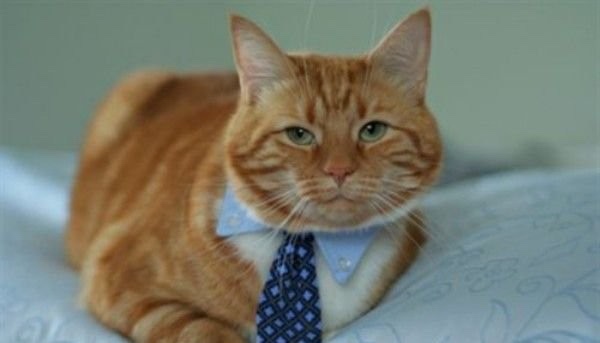


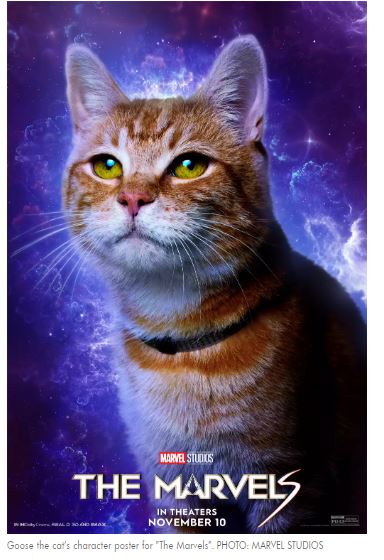


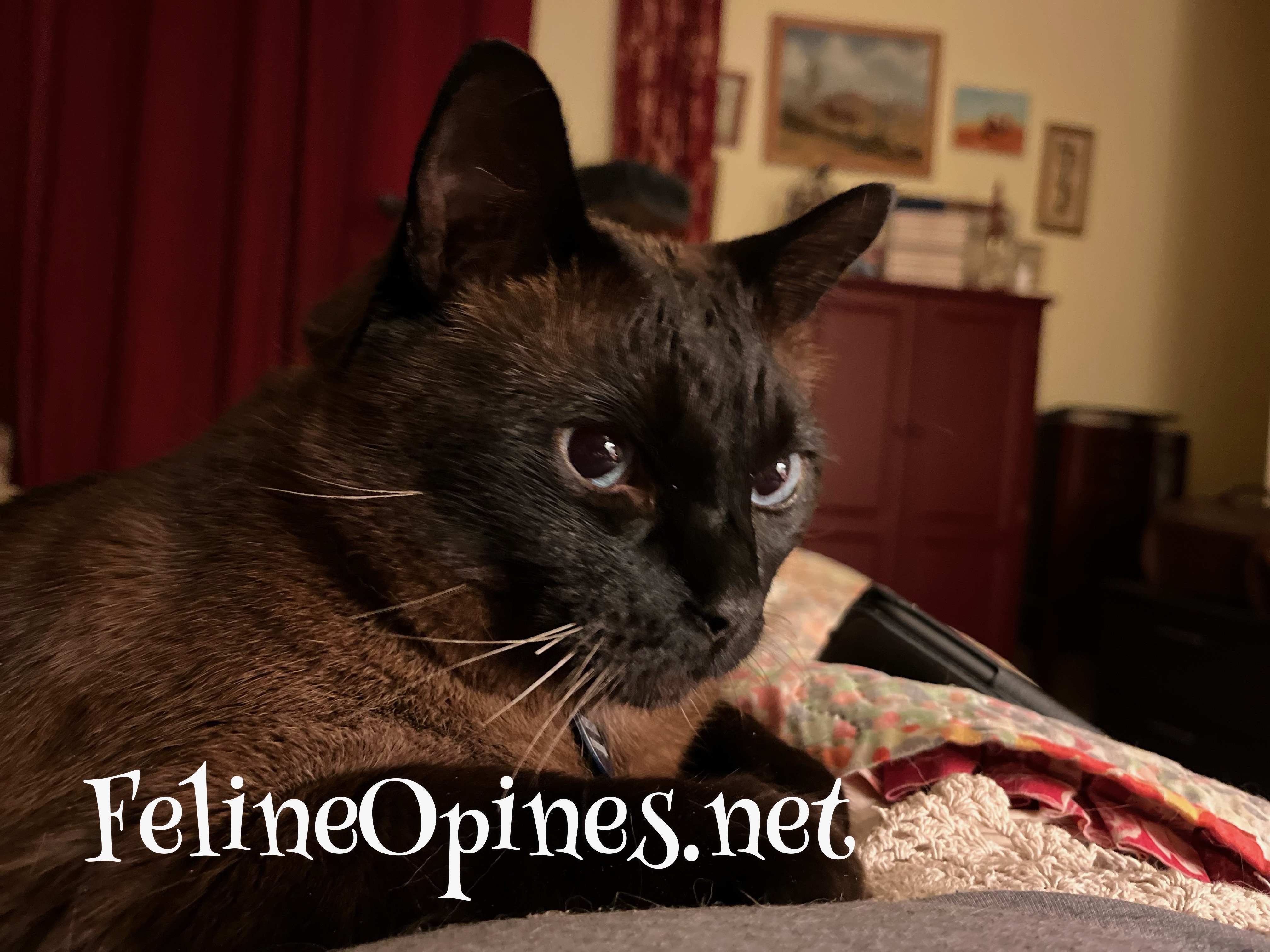


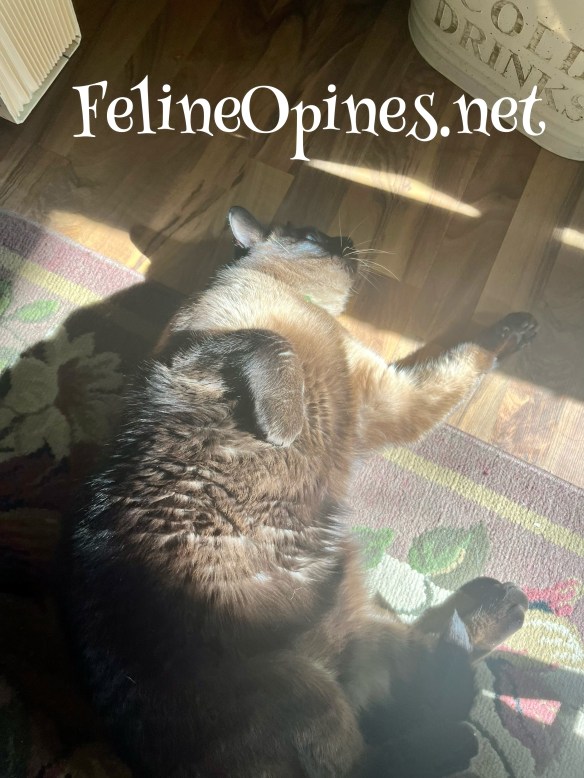


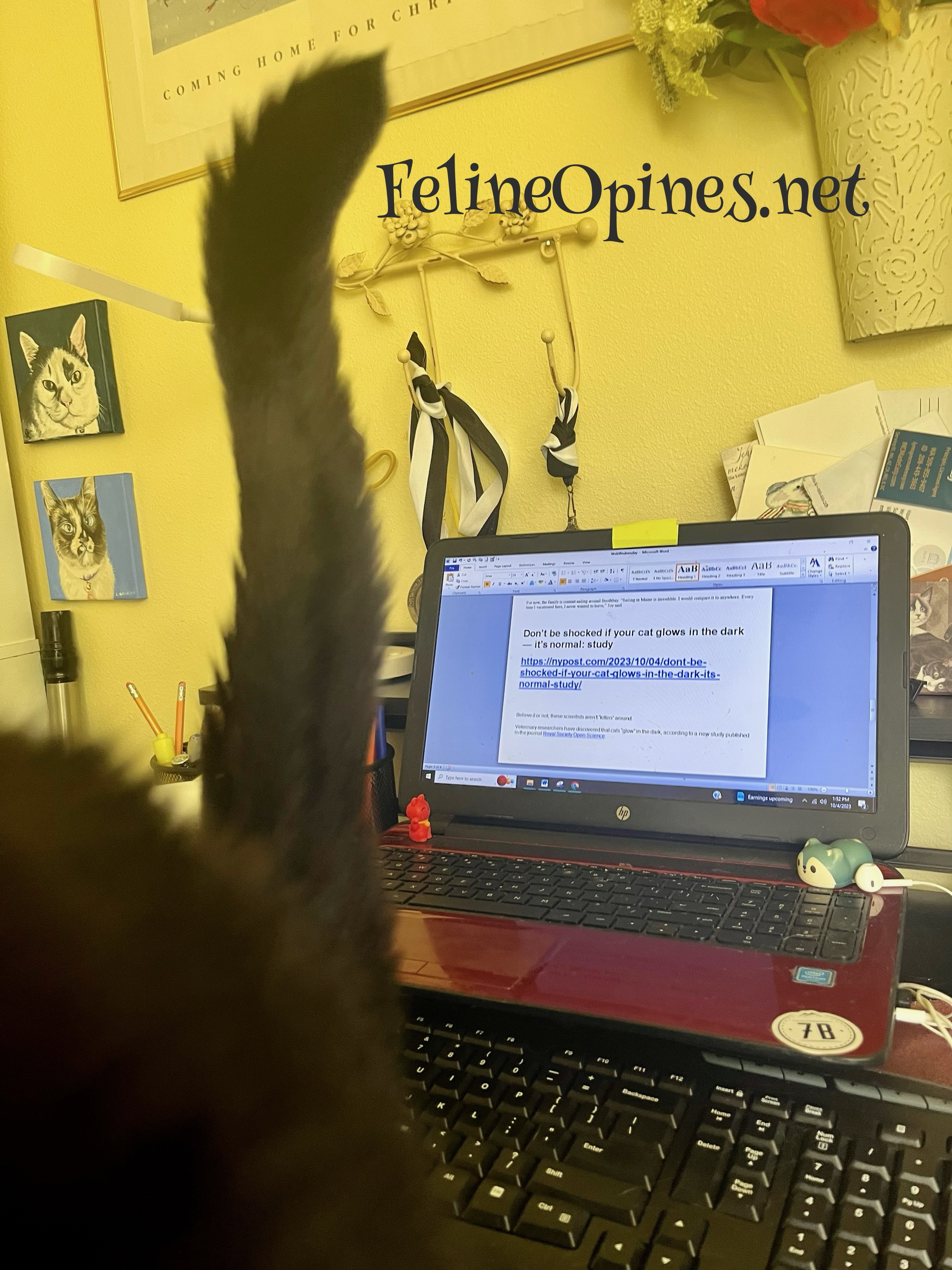

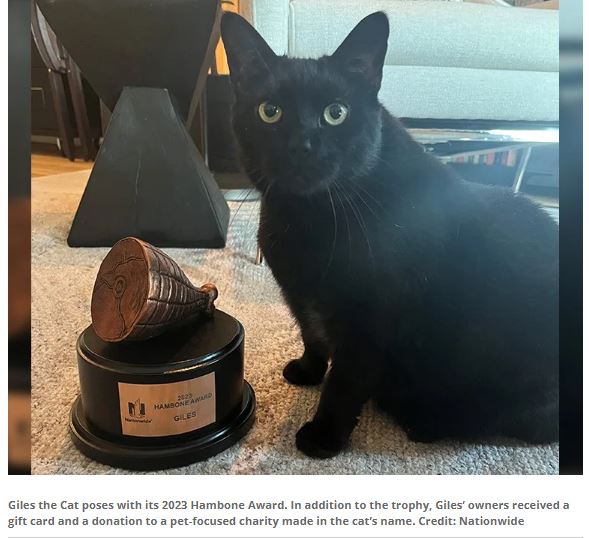



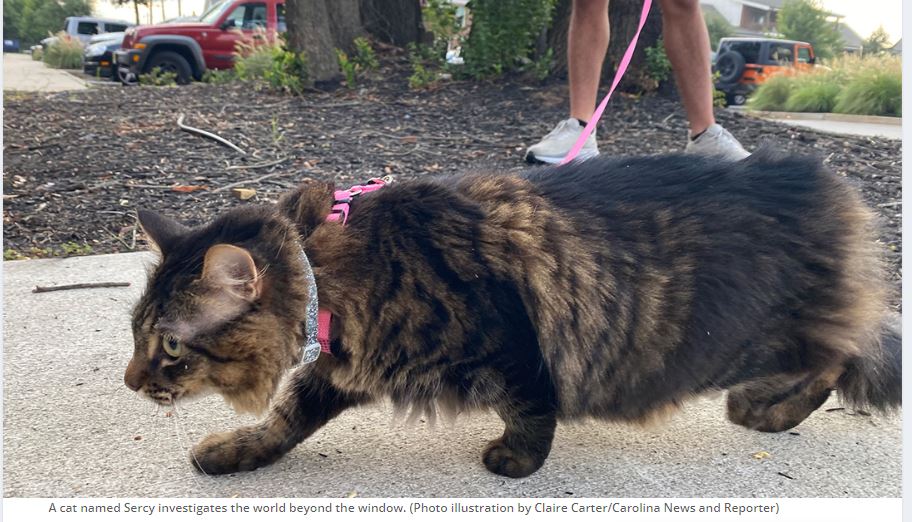


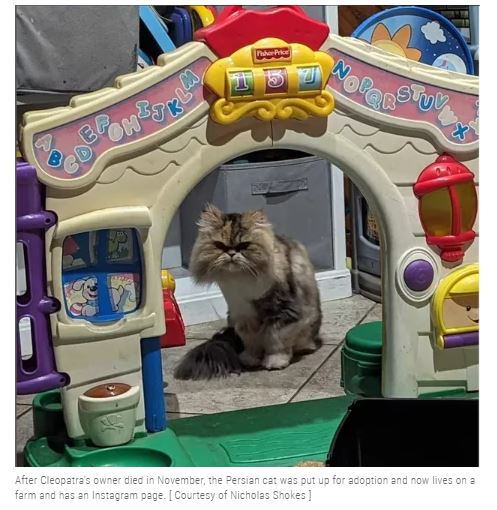
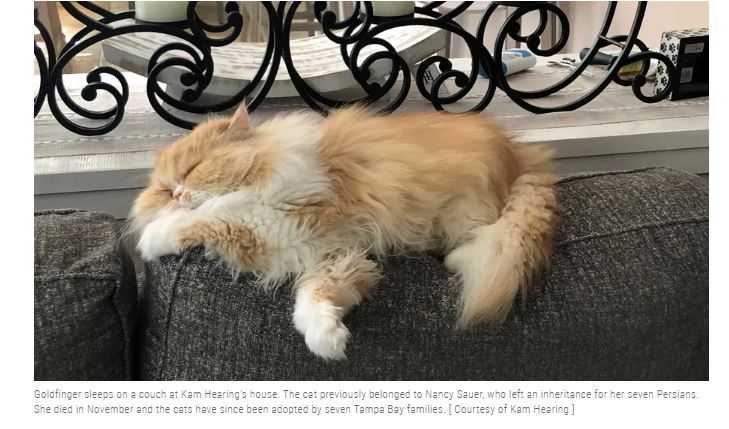


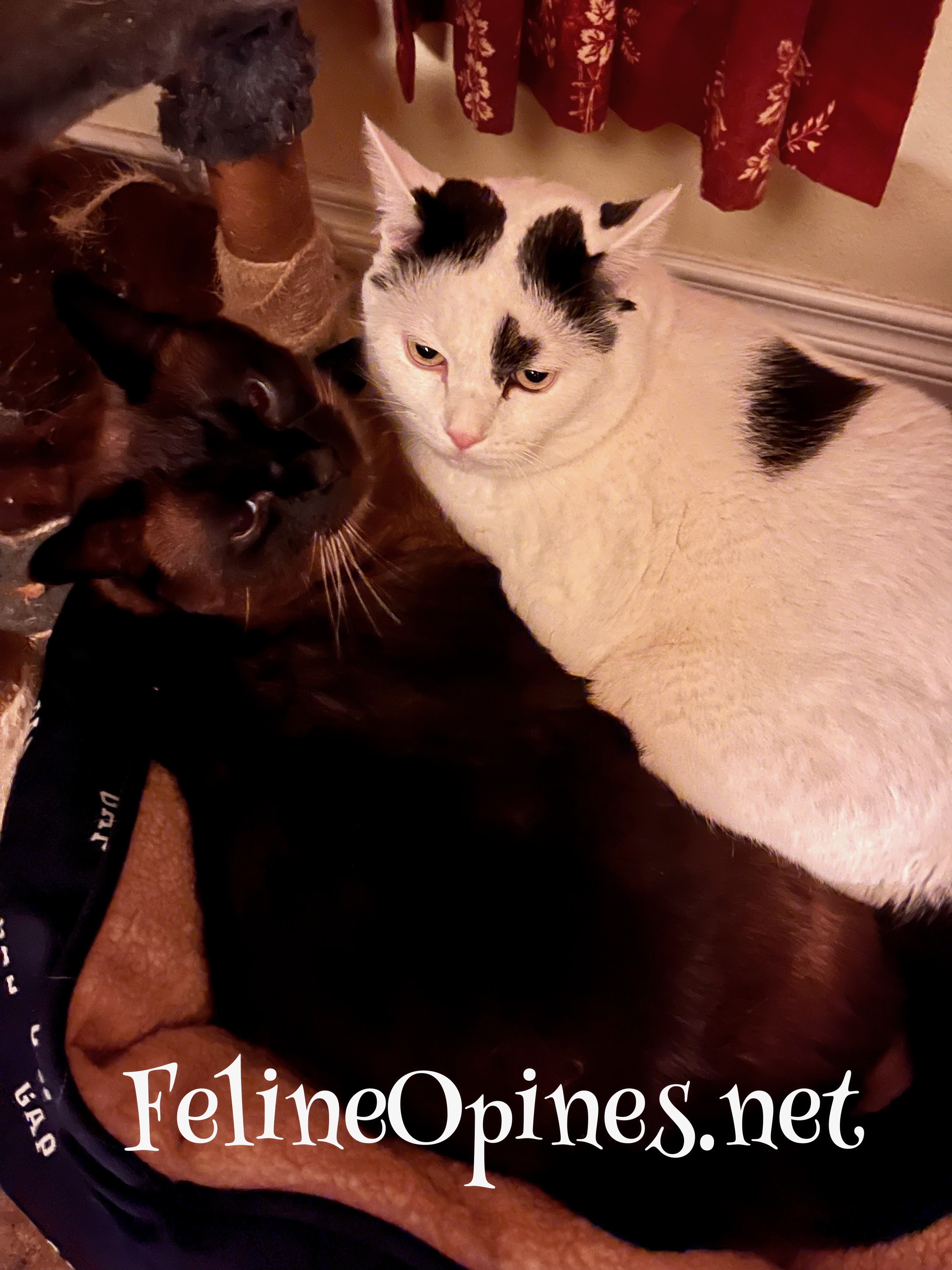

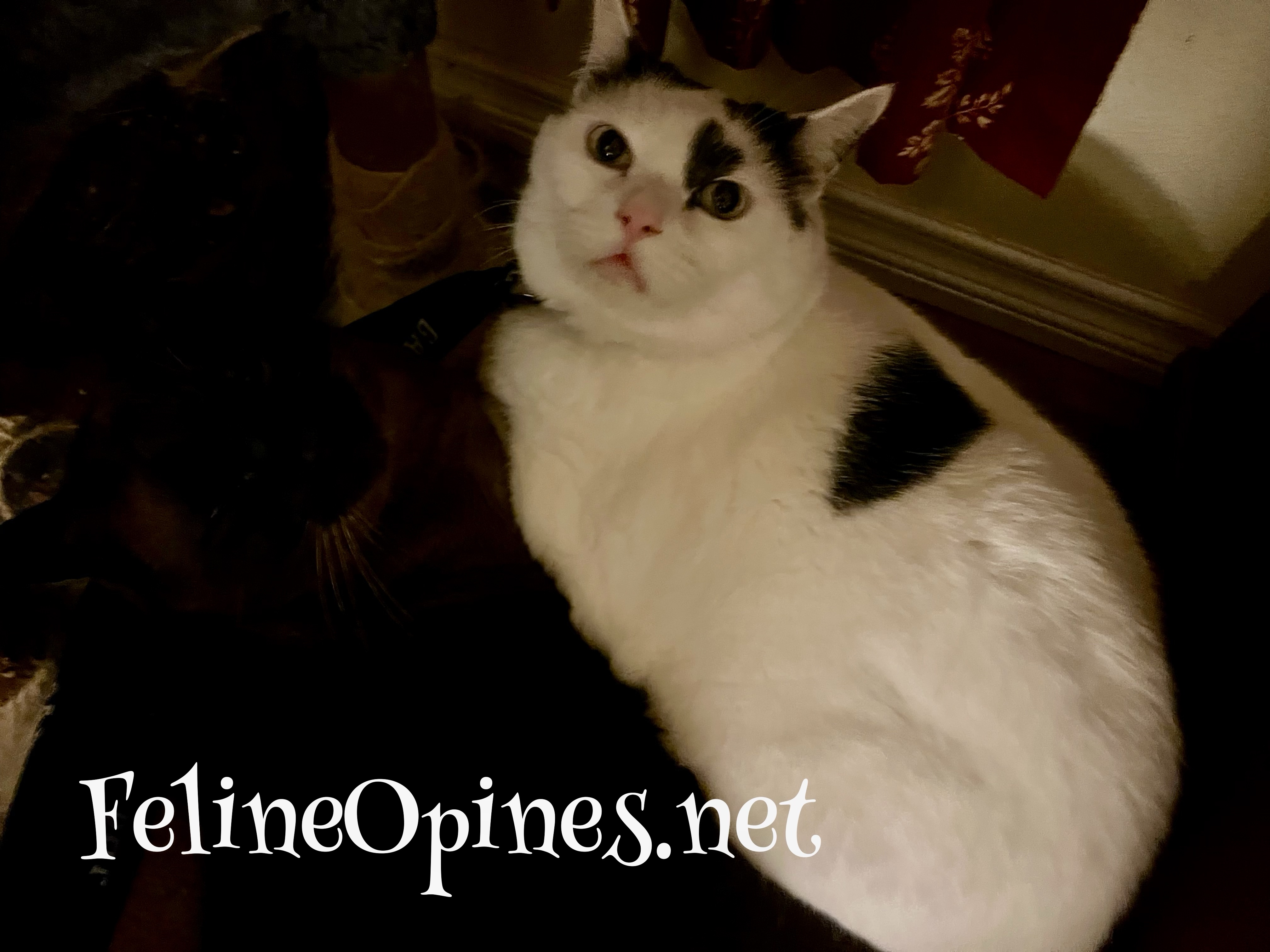

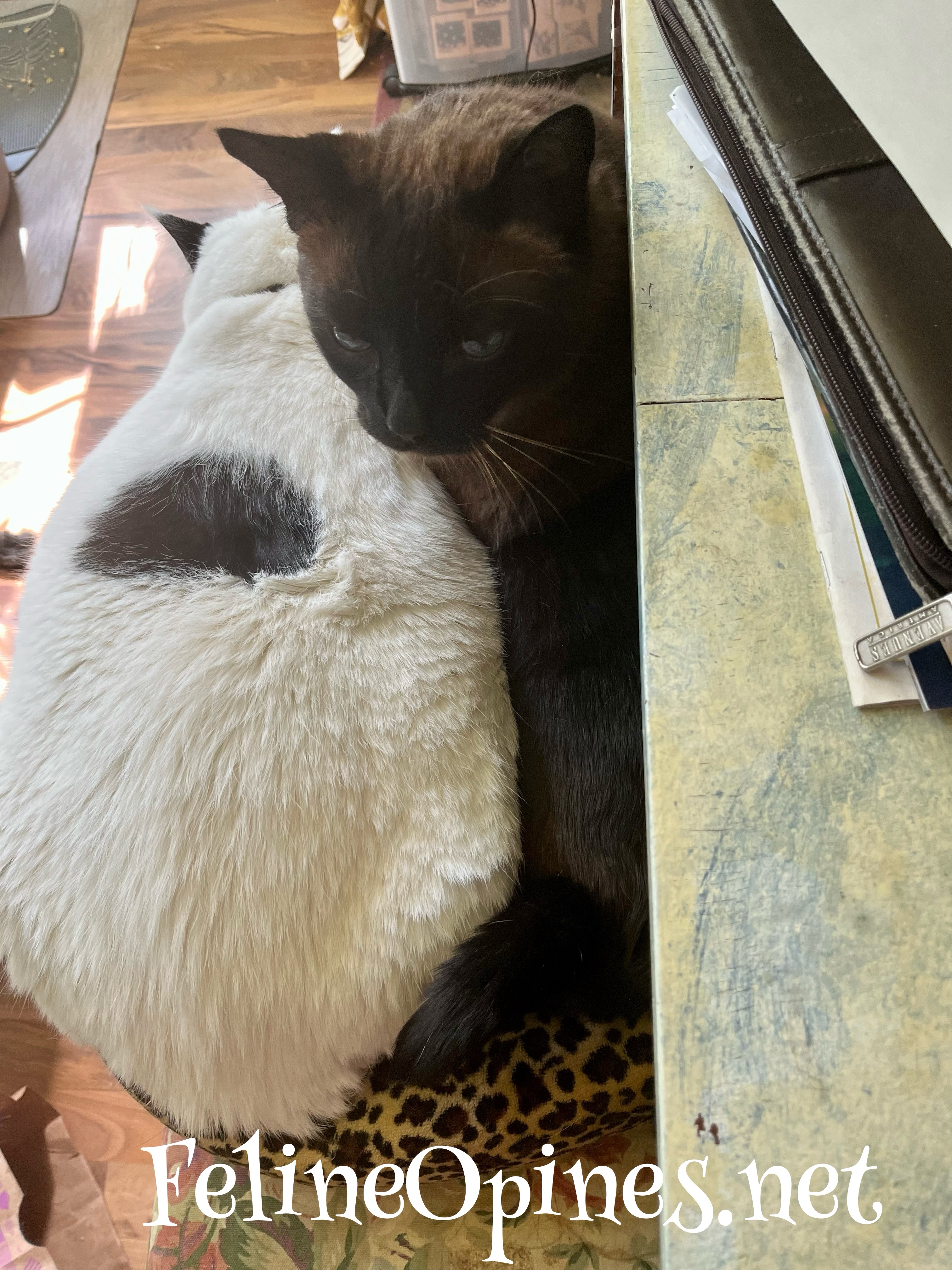

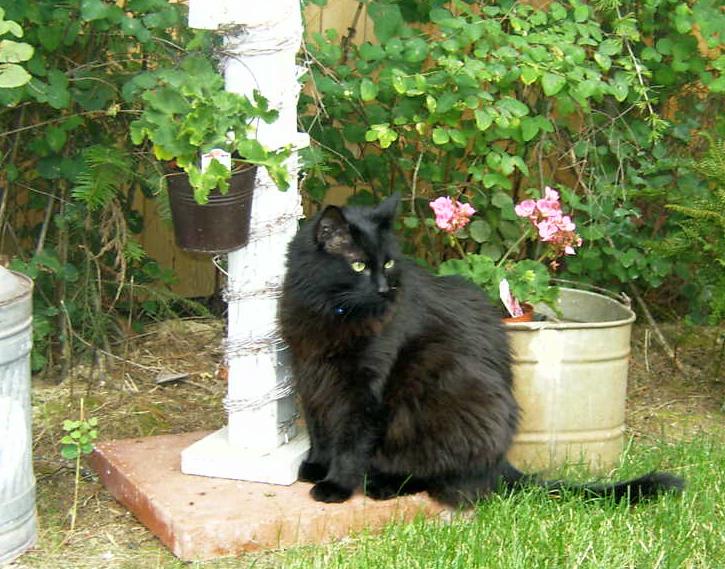

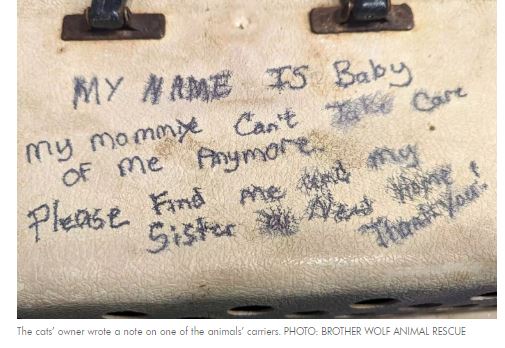


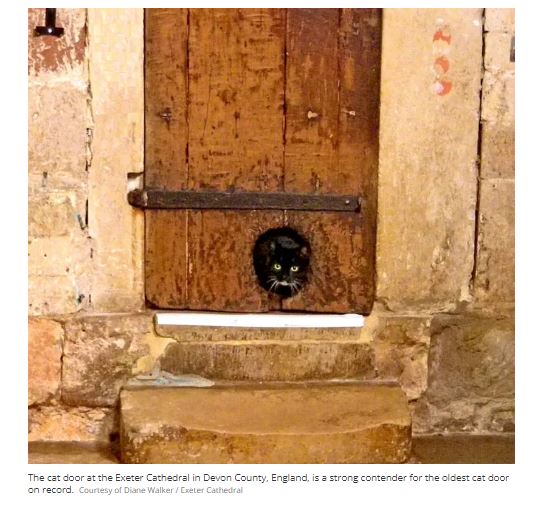







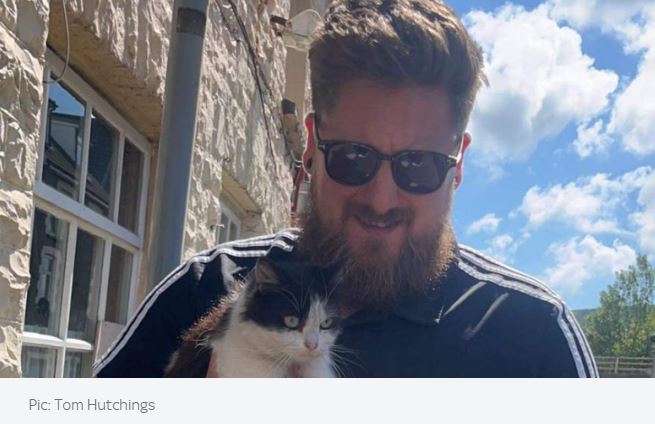


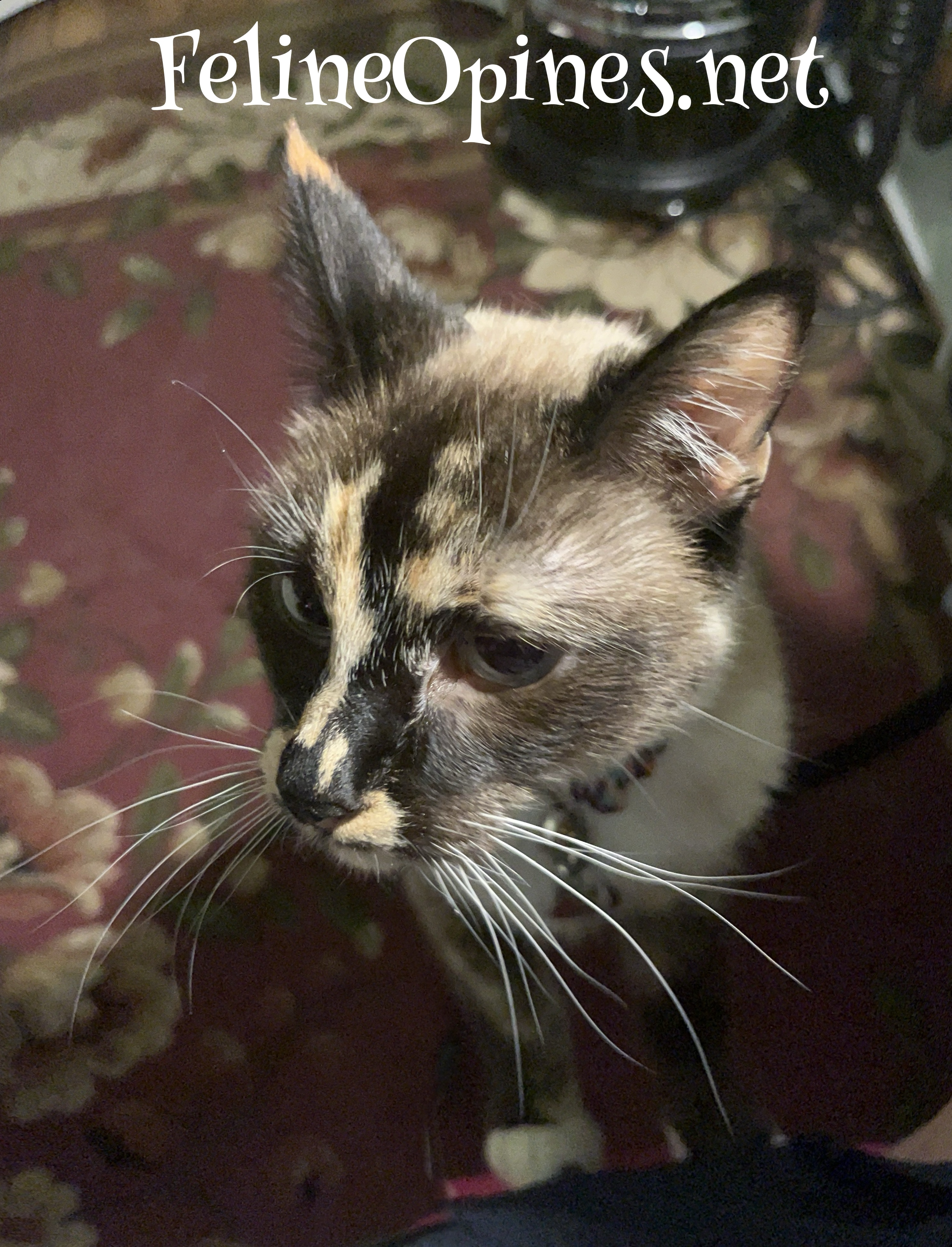


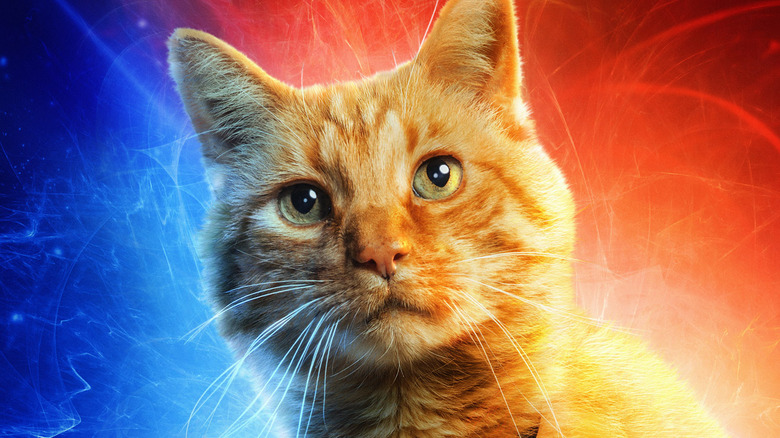


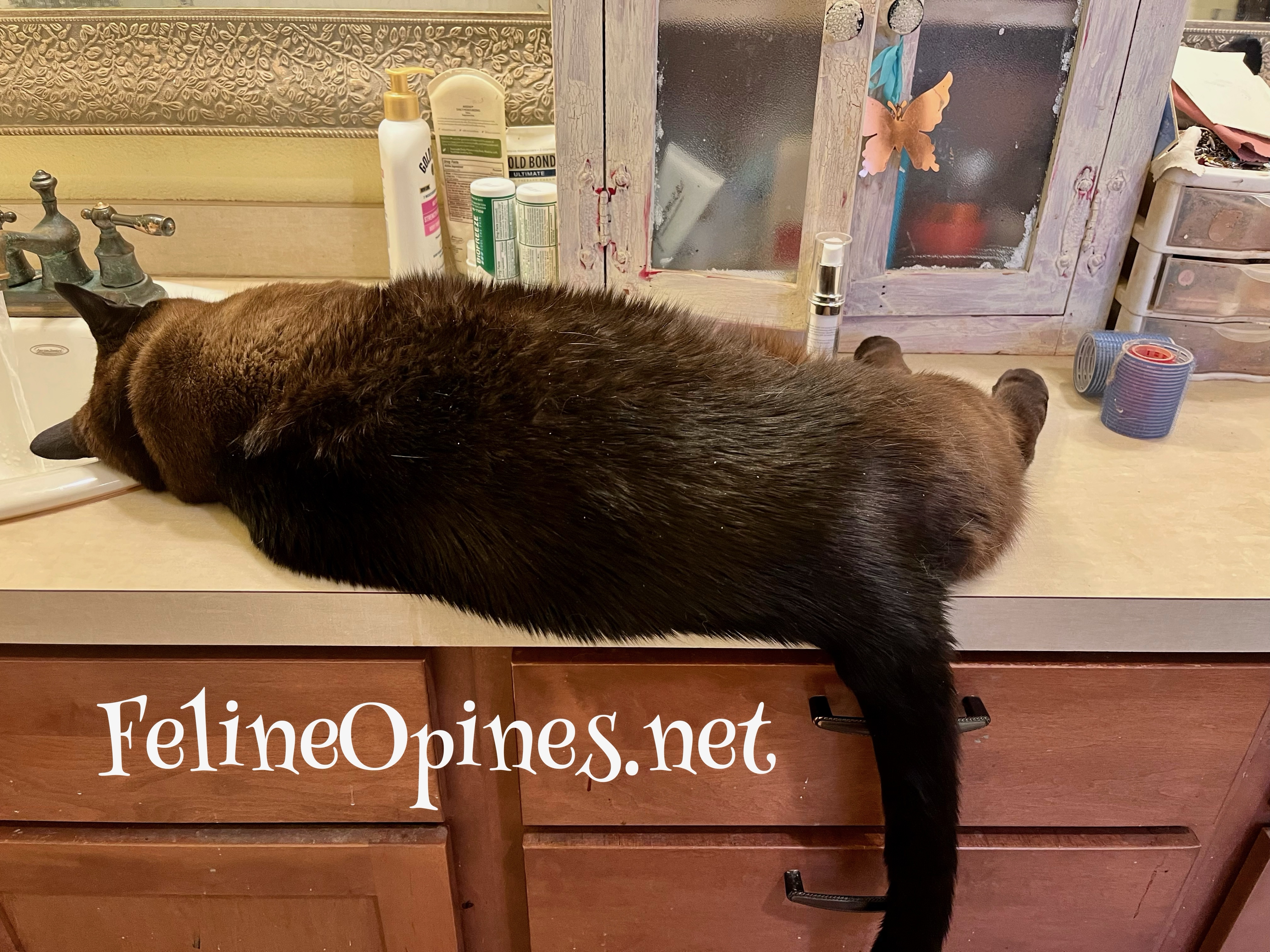
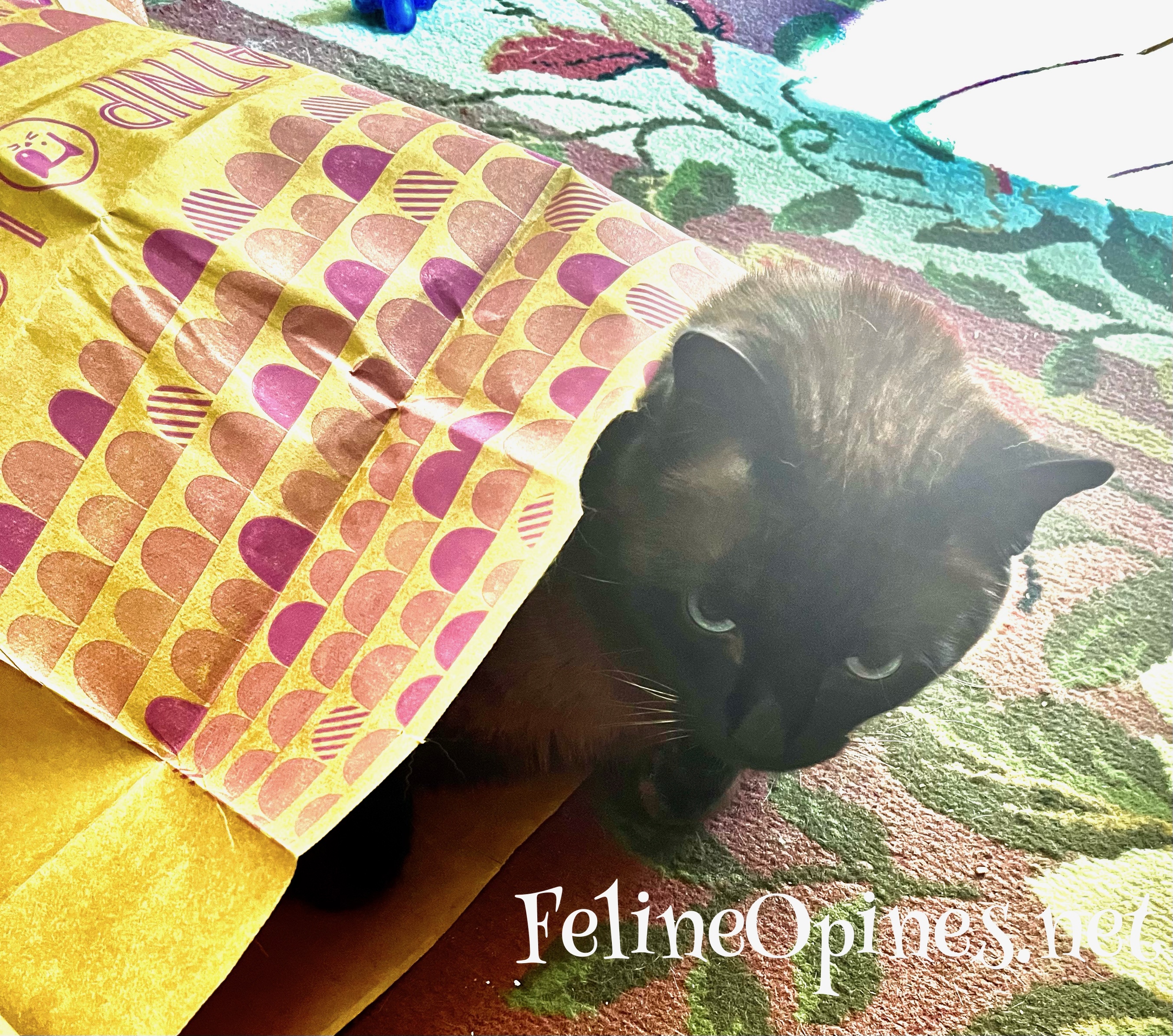
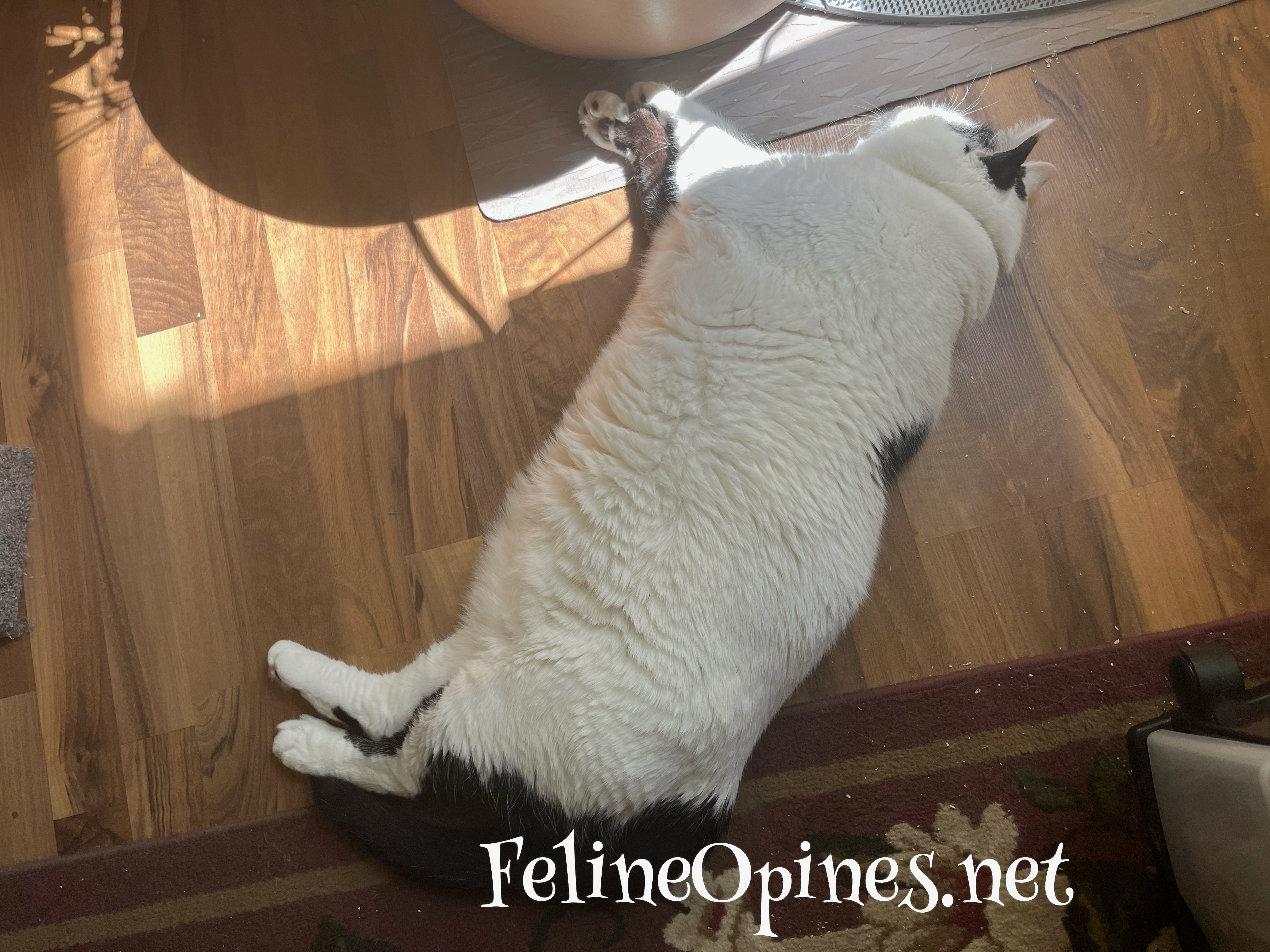

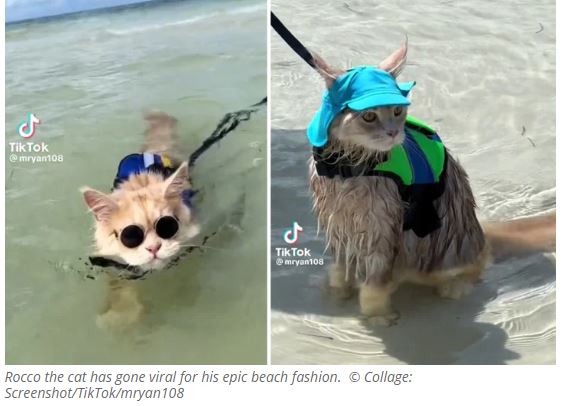



 Home | felineopines