Walk Through the Web Wednesday – 7/26

Happy Wednesday Furiends!

We had a bit of a scare in our neck of the woods and, since said scare involved my brother Oliver, I’m going to let him tell you what happened.

Hi, it’s me Oliver. It’s been a hard week for this feline. If you follow us on Instagram or Facebook you already know a bit about the debacle but I will be filling you in on more details.

Two days after The Human ended her travel she noticed that I was running back and forth into all four litter boxes and regular intervals. I seemed a bit agitated and, when I went in the litter box I strained and strained but there was very little happening. Fortunately The Human knows about a lot of cat stuff and she immediately figured out that I had either crystals or a blockage. It was night by that time and the only emergency vet in our neck of the woods is over an hour away so she called the stabby place we normally go to, left a message and asked for an early morning emergency visit.

Seriously, you woke me up for this?!

Sure enough, the good folks at Pend Oreille Veterinary service called her at the crack of dawn and she hustled me out of the house. (We’ve reported about our stabby place before and it’s actually a great place as far as stabby places go). The Human unceremoniously rousted me from my sleep and had me dressed in my harness and leash in a quick minute. She carried me out to the car, settled me in the passenger seat, secured my leash and then shut the door. When she grabbed the stroller (it’s easier to roll this 21 1/2 pound feline than schlep me in a carrier) when one wheel fell off. She didn’t have time to fix it so off we went.

Our usual vet trip takes 7-10 minutes but this morning we had to deal with construction and a detour that turned the trip into 30 minutes. Needless to say The Human was frazzled (and completely coated in white hair) by the time we got there.
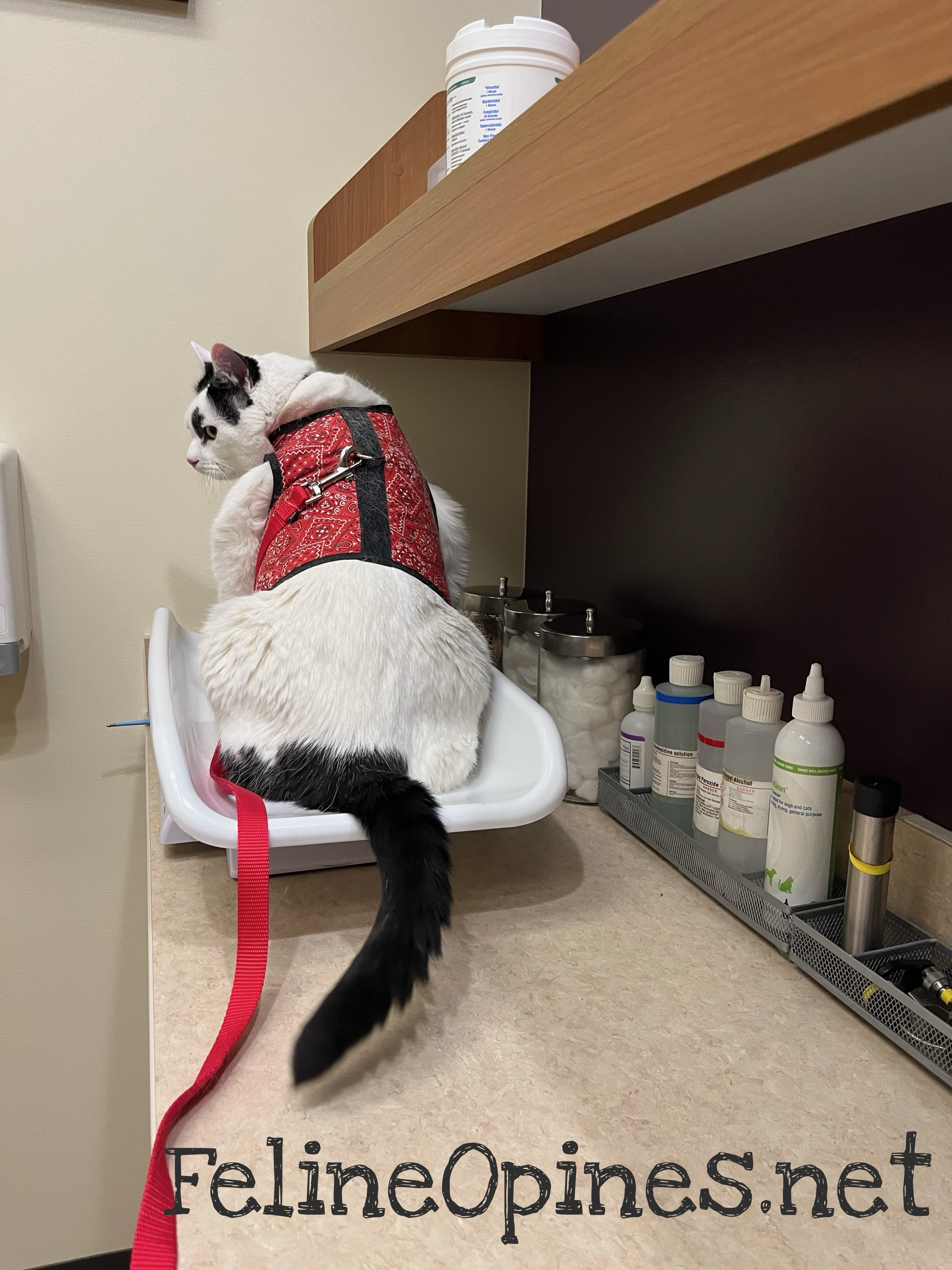
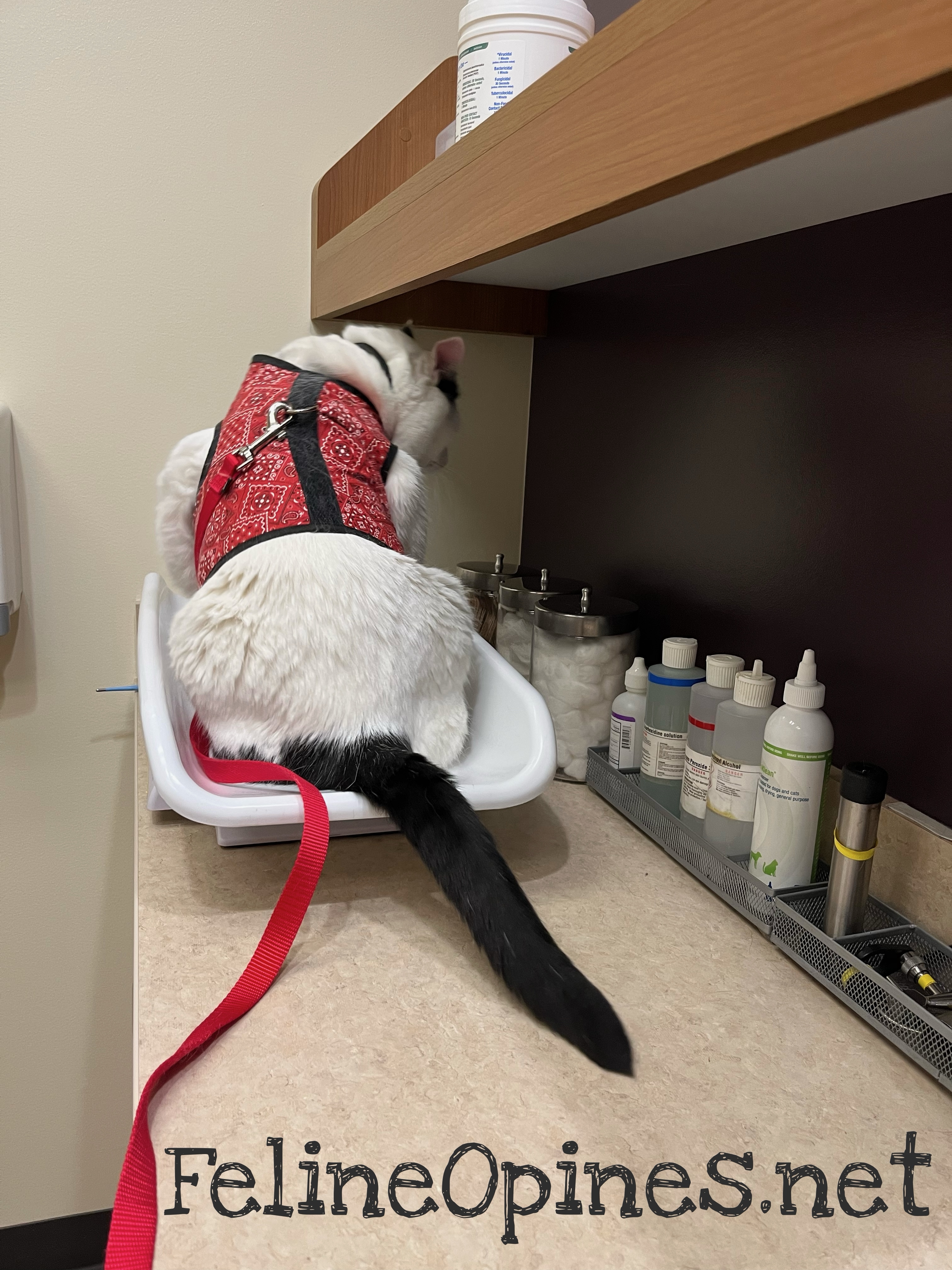
How do I get out of here??
No escape route over here either.
Oh no you don’t that thermometer isn’t getting anywhere near me!

To make a long story not quite so long, Dr. Vogel gave me a good exam, prescribed an antibiotic and some pain meds and we were ready to head home. The Human picked me up, wrapped the leash around her hand and out the door we went, only to be met by another human who was right at the door with her big German Shepherd. This feline has never had such a close encounter with a barkie and it was making me nervous. As the woman didn’t seem inclined to move for us and, as I began to think I would be meeting my maker right here at the door of the stabby place I decided to let the human know that I had been thoroughly unblocked and let loose, drenching her. It was a smelly ride home let me tell you but after The Human showered and cleaned the car, things were back to normal. And, you know we love happy endings at Feline Opines and this story has a double happy ending. Not only am I feeling like my old self again but I lost ONE POUND when they weighed me in at the stabby place, so all’s well that ends well. I will finish my harrowing tale by providing you with a link from PetMD about this problem, how to know if we have it and why it’s important to get to the stabby place as soon as possible if you suspect it.

I bid you all a happy and healthy adieu until next week.

The Black Cat Café – Dining with a Purrpose
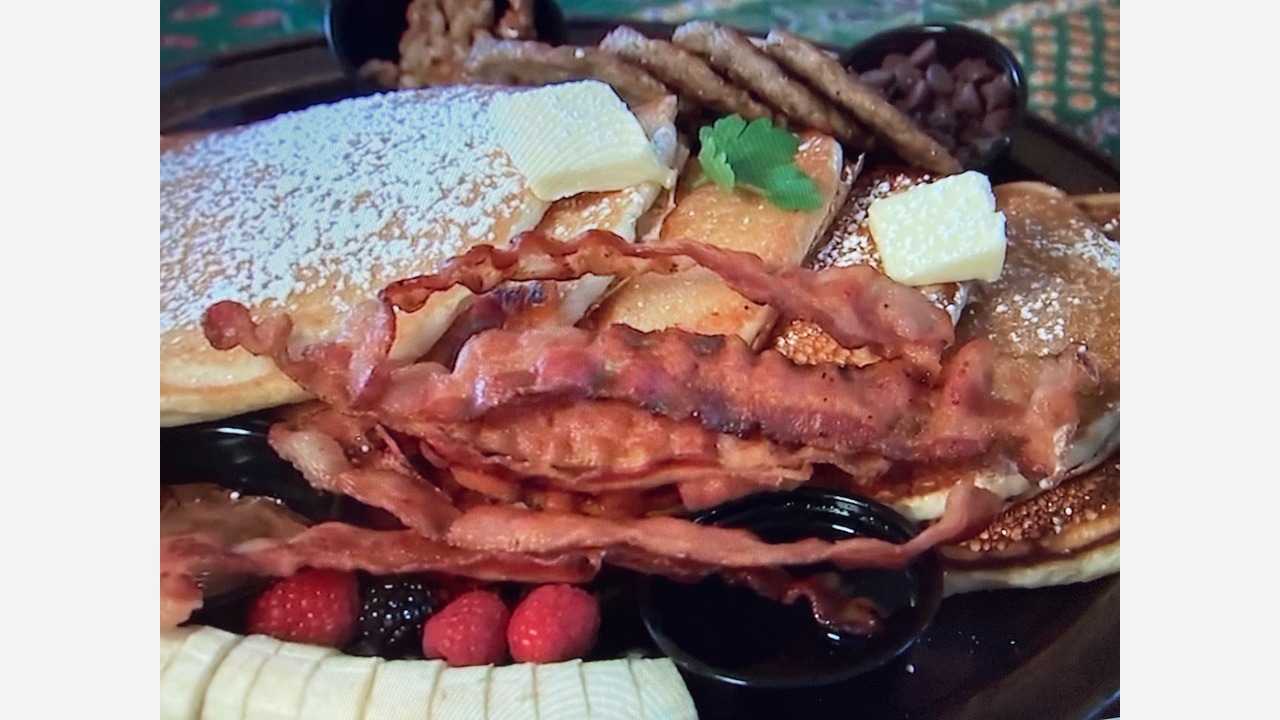
I’ve reported on many pawsome people doing great things for cats but this is in the “above and beyond” category. The Black Cat Café in Devon, PA is run by an excellent chef and volunteers who serve first class handcrafted food in a cozy, delightful atmosphere and who donate ALL proceeds to cat rescue. You heard me, 100% of proceeds go directly to funding the needs of homeless, abandoned, injured and sick cats and kittens. And even though they raise funds for cats, the food they offer is quality and homemade prepared by a certified staff. The Black Cat Cafe is owned and operated by PALS (www.palspets.org), a 501c3 pet rescue.

Love Island producers flying stray cats home – including one named after famous host
The Human is a bit of a reality TV junkie (she always says truth is stranger (and funnier) than fiction. One reality show she’s watched one or two episodes of (not really her cup of tea) had received her kudos because the love that blossomed at the Love Island villa wasn’t just between humans.,

Producers of the show fell in love with a family of stray cats who moved into the Majorca site, and they are flying a mother and kitten back to the UK when filming ends.

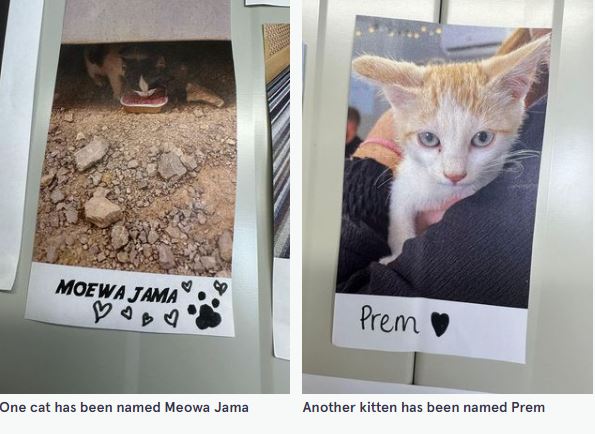
One has been named Meowa Jama after host Maya Jama, whose filming was interrupted by the playful kittens.

Another has been named Prem, after the show’s editing system – and Prem and her kitten will be flown back to Britain to live with a member of the show’s production team.

A source said: “The cats have been an integral part of this series behind the scenes. They occasionally venture into the villa and have even disrupted filming. Scenes had to be reshot but everyone loved them so much they didn’t mind.

“The cats have appeared on Love Island’s Unseen Bits, as producers wanted to let viewers see their new pals. “The crew even has pictures of them on a wall covered in photos of the pets they are missing from back home.

So there you go, cat rescue happens in some of the strangest of places.

Türkiye’s Cat Town, sanctuary for stray cats
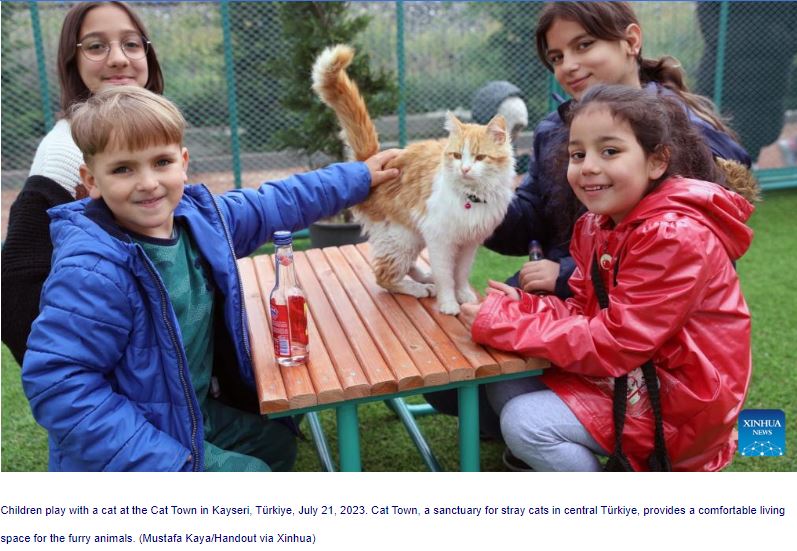
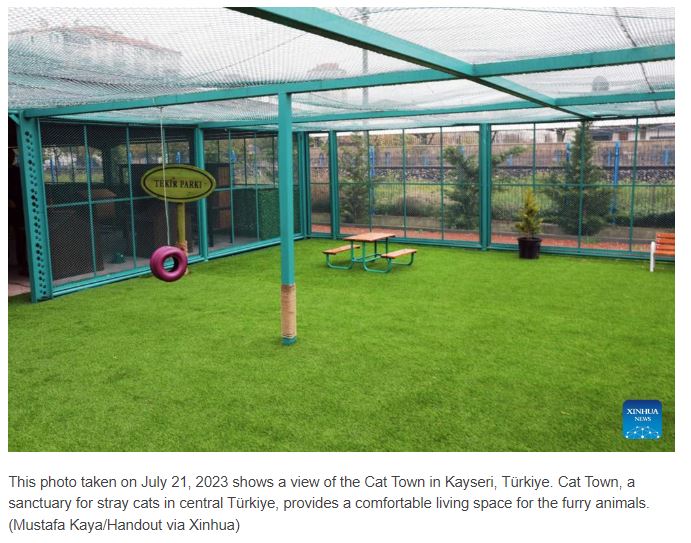
Cat Town, a sanctuary for stray cats in central Türkiye (Turkey), provides a comfortable home for homeless cats.  Turkey is known for caring for it’s many stray felines that appear almost everywhere in the streets of towns and there are many cat lovers who care for these homeless cats.

I’ve reported on the colorfully painted cat shelters that can be found on the streets of Turkish cities, all maintained and food provided by kind citizens.  

The Kocasinan Municipality in the central province of Kayseri has taken this care one step further and built a  600-square-meter Cat Town to provide a sanctuary for homeless kitties.

The felines have all they need in the sanctuary: playgrounds, bungalow huts, bridges, tunnels, climbing tracks, and scratching trees.

Stray cats that are brought to the facility are neutered and placed in a separate place to adapt before joining the other inhabitants of the facility.

Mehmet Cingil, a veterinarian who cares for the cats in residence noted that the sanctuary provides a place for cat lovers who are unable to keep pets at home and also exposes people to the wonderful creatures that cats are. School children also visit the sanctuary frequently.

“We want to instill in the youngsters the love for animals, how to show empathy, and how to care for them,” said Mehmet Dogan, a municipal official.”We try to explain to the youngsters that stray or not, cats and animals, in general, are not a nuisance,” added Dogan.

Now wouldn’t it be wonderful if all humans wanted to teach children how to love and care for animals?

Florida Couple Creates Cat Retirement Home

The Human always says that there’s a special place in heaven for the kind people who adopt senior cats. This couple takes that kindness to a new level. My feline furiends, imagine a place where you and your friends could socialize, nap, eat dinner together and explore in your golden years.

Sounds pawsome doesn’t it? Well, Terry and Bruce Jenkins have created this community in their backyard—but not for people. Their Lutz, Florida, sanctuary is retirement living for older cats, who get to stay forever.

“Most of them have come from hardship situations, and we don’t adopt out. The cats live with us for the duration of their lives,” says Terry, 77. “Our mission is to rescue senior cats that need a home.”

The effort started in part because the pair were looking to adopt a kitten and Terry visited their veterinarian asking about a young cat. Someone there overheard her request and asked her to consider adopting an older cat there to be euthanized. “Of course, I took the cat,” Terry says.

“I found a real purpose in caring for these animals who, in many ways, were a reflection of where I was in life, too,” Terry says.  

The backyard is a haven for the cats or a cat “Disneyland,” as Bruce, 77, calls it. The couple repurposed a “Frontierland” play area they had constructed for their children — complete with a hotel, a general store, a saloon and a sheriff’s office. They adapted it for the cats, and now it also includes feline play areas, napping spots, scratching posts and more.

“We had a vision where they could be free the way I think cats would like to be free outside, but protected,” Terry says.

“They feel secure here. The fact that they can go and sleep up on a bridge over a lake — I mean, how good is that?” Bruce says.

Cats come to Cats Cradle through veterinarians’ offices and private homes, particularly where someone might be ill and unable to take care of their pet. The couple have rescued more than 350 cats over the years and plan to continue their efforts.

“We discovered the special quality of older cats. They had qualities in their older years that young cats don’t have,” Terry says. “Maybe that’s true of people as well. You just have to discover it.” The Tribe and The Human says “God bless these folks for their compassion and important work!” If you want to meet some of the Cat’s Cradle felines, check out the video feed on their website.

This therapy cat is raising spirits at a Dallas pediatric hospital

Every few weeks, Sarah Dutton arrives with a clear, hard shell backpack with mesh sides and several air vents at Scottish Rite for Children in Dallas. Once inside, the precious cargo is removed, leashed, and together, Dutton and Harry begin delivery of a dose of medicine that doctor’s can’t prescribe.  Harry is her cat. She says, “You can do anything with Harry.  You can touch his ears, you can touch his tail, you can touch his paws, even his whiskers.”

She and Harry met when Dutton and her husband found the feline in the middle of a road and had been run over. After they nursed him back to health and gave him a forever home, Harry began his journey as a therapy cat.

During his twice monthly visits, Harry might sit in the lap of a child in a wheelchair, or curl up in a bed beside a patient at Scottish Rite. Sometimes nurses or parents hold him.

“He’s the calmest cat I’ve ever seen,” laughed Sam Bryant, a certified pediatric nurse, as she held him.

Scottish Rite is world-renowned for treating complex orthopedic conditions, especially limb differences and that is one reason Harry connects so well with this hospital’s patients.

When Dutton’s husband found Harry, more than one veterinarian clinic said he probably needed to be euthanized. But the couple wasn’t convinced. He ended up losing a leg and shoulder to amputation but he recovered fully. And as he healed, Dutton saw the potential for him to help heal others.

“The fact that he had three legs. I felt like he could touch some people — show that you can get hurt and be disabled and be totally fine and live a normal life,” Dutton said.

She and Harry trained through Pet Partners, completing hours of training online and in person.

Harry might not be the kind of medicine doctors prescribe, but the special connection he makes with patients is its own kind of cure. “I feel like he understands a lot of people’s emotions and what they need,” said Dutton. Paws up to Harry and his human for all the good work they do!

Walk Through the Web Wednesday – 7/19

Happy Wednesday Furiends!

I am pleased to say WOOO HOO and HALEIJUJAH- we’re back. Our Purrsonal assistant is finishing up all her outside activities and will be back this week to focus on her job. She no sooner arrived home from the writer’s conference when she informed us that she would be leaving again in two days! This was Oliver’s reaction when he heard the news.

Traveling?! Again?! Does this mean we will be forced to endure a reduced level of service again?!

Lily too, was less than enthusiastic about The Human’s second departure.

Even I felt a certain kind of way about the Human’s second immediate departure.

Excuse me Human, is this not your travel bag sitting on the bed AGAIN??

Still, we have to cut The Human some slack as this second trip was to go with two other family members to fly to other family members and help them move to our neck of the woods. This makes The Human very happy but The Tribe is withholding enthusiasm as we have not found an upside for us and, in fact, the human relatives have a dog that likes to chase cats so approval is pending from us.

But, we are pleased to announce that not only are the trips over, there are lots of exciting things coming. Here’s a preview of one:

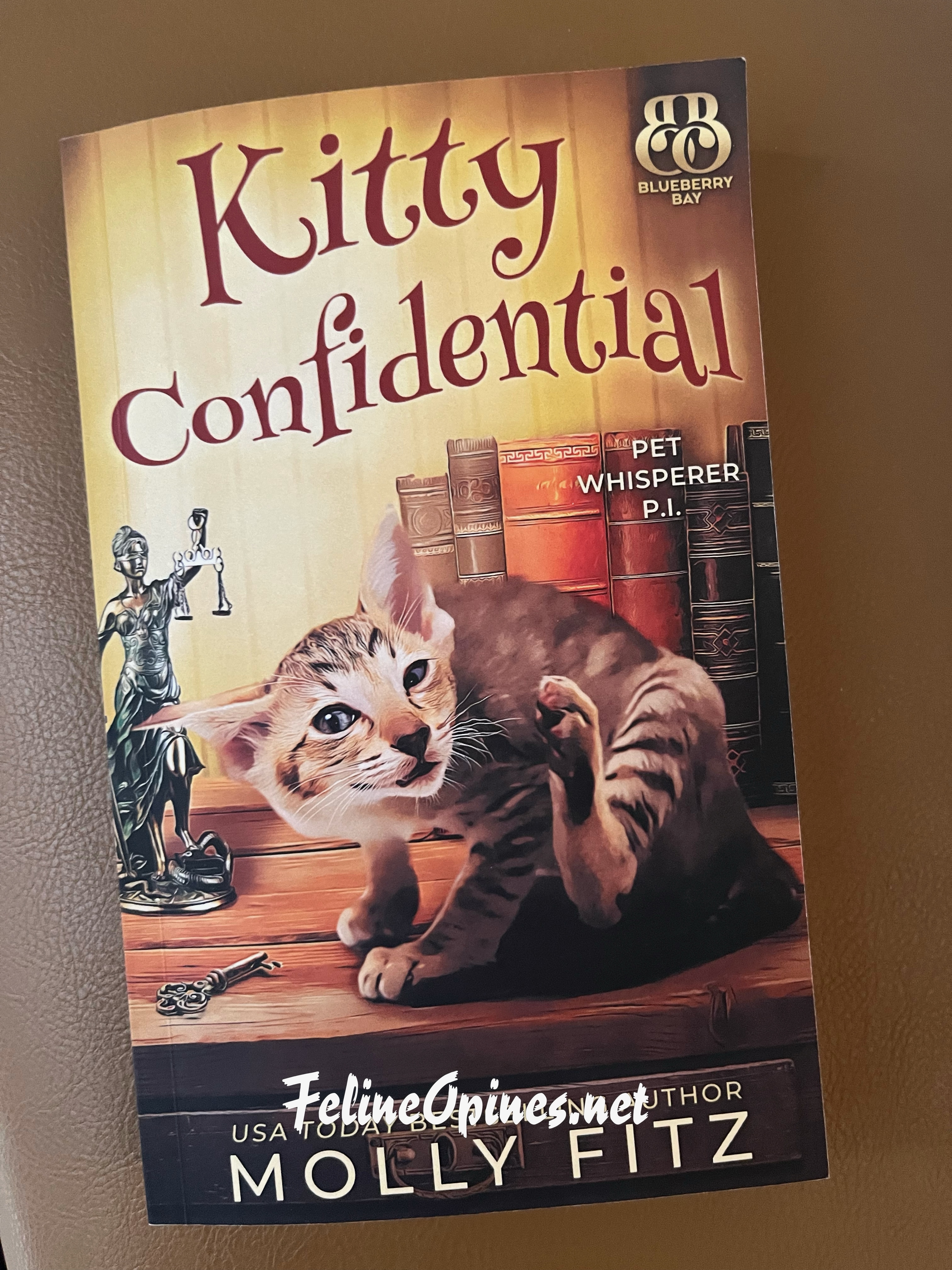
See this book? Well The Human was fangirling all over the place when she met the author, Molly Fitz at the #CozyCon in St. Paul. We will be having a drawing for this book soon! In the meantime, you can read more about Molly, a real cat lady and her books. Meowza, we’re excited to do a book giveaway and we will also be doing an interview with either Molly and/or one of her feline characters. Negotiations are happening as we report this.

And speaking of authors, The Human was so inspired, she is not only finishing her first cozy mystery but she’s already outlined the next five in the series-Meowza!

Okay, enough about what’s happening in our neck of the woods, let’s go to some of the best feline news on the Internet.

Cat Noses Are Marvels That May Inspire Better Scientific Instrument

Hey, is it that dinner I smell?

My readers know that I am not a very sciency feline but I did find this article interesting. Evidently a gas chromatograph, a scientific instrument used to separate and analyze different gasses, could learn a great deal from the cat’s nose, according to a new study . As the first detailed study of the feline sniffer, it reveals a dual-channel system in the nose that the instrument could perhaps replicate.

“We know so much about vision and hearing, but not so much about the nose. This work could lead to more understanding of the pathways behind different nose structures, and the functional purpose they serve,” says Kai Zhao, an associate professor of otolaryngology in Ohio State’s College of Medicine, in a press release.

The channel system for smelling acts like a major highways on a complex road system. We felines inhales air into our nose, flooding both, and they in turn infuse a labyrinth of small passages called turbinates that clean and humidify the air. The turbinates pass the air on to the olfactory region lined with olfactory epithelium, which detects odors. (Okay if this is crystal clear to you, you are definitely more sciency than this cat!)

The study mapped this complex network by CT-scanning the cadaver of a domestic short hair cat, revealing the intricate folds and passageways winding through the cat’s ethmoid bone. Humans also have turbinates, but the human turbinates  consist of a few simplistic folds, and have the comparatively weak sense of smell to match.

“For mammals, olfaction is very important in finding prey, identifying danger, finding food sources and tracking the environment,” Zhao says in a press release.

Dogs possess even more complex nasal passages than cats and humans, allowing them to ruminate on a scent with great focus. Hence the job for canines of “sniffer dog”.

Researchers discovered that with cats, the dual streams serve different purposes. The first channel goes low and relatively slow and spreads through the turbinates before eventually reaching the olfactory region. This gradual pathway resembles a gas chromatograph with a long tube designed to detect more chemicals at a slower rate.

The second stream runs fast and heads straight for the olfactory region, where it allows for quick detection of important smells. This comes at a trade-off however, as the faster an odor passes through the system, the less efficient the detection. While the second lane may quickly detect a predator at close range, the first may be needed to identify one from a paw print.

Once air arrives at the olfactory region, it circulates through parallel channels that make the most of each breath.

“That was actually a surprise,” says Zhao. “It’s like you take a sniff, the air is shooting back there and then is being processed for a much longer time.”

Overall, the cat studied possessed a surfeit of olfactory epithelium tucked inside its turbinate folds, which would have allowed it to out-sniff more rudimentary noses. The researchers estimated that this cat and others like it would have possessed noses about 100 times more powerful than those of similar-sized amphibians with simplistic “straight noses.”

So, some interesting information about cat noses but purrhaps it could have been put in less professional terms. Did you learn anything about our noses?

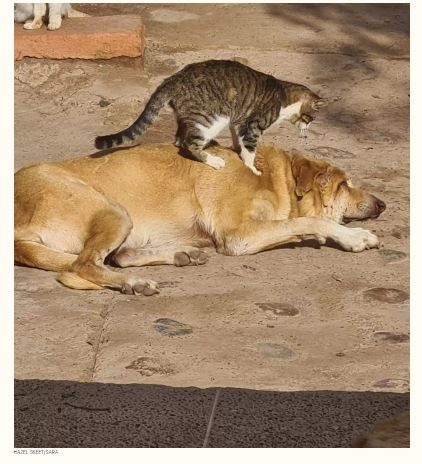
Shelter Staff Catches Cats Giving Massages To Blind Dog Who Needs Them The Most

Oh my whiskers, the folks at the Dodo have some of the greatest cat stories. When Tam needs a bit of comfort, his friend Elodie is always willing to help. Tam, a pup At the Sunshine Animal Refuge Agadir (SARA), is blind and suffers from Ehlers-Danlos syndrome, which makes his skin extra fragile and his joints prone to arthritis.

Elodie and her fellow cats at the refuge seem to know that Tam needs extra TLC, and the tribe of cats at SARA have made it their mission to help him out.

“Tam regularly shares his bed with at least two cats,” Hazel Skeet, a long-time volunteer with SARA, told The Dodo. “All the cats adore him and give him cuddles and massages.”

The Farm Refuge is one of three refuges in the SARA network that caters to senior or sick dogs and recently rescued dogs who are ready to be adopted. The Farm Refuge also serves as a temporary shelter for homeless cats — there are currently about 200 of them!

“To be honest, it is quite difficult for anyone to sit down at the Farm Refuge without being immediately surrounded by cats,” Skeet said. “But Tam is the most popular dog. The cats know he will lie quietly and be gentle with them. [He’s] the perfect pillow for a snooze, and Tam enjoys the affectionate closeness.”

Tam was born at the refuge nearly nine years ago. While most of his siblings were adopted, he and his sister Daccia remained at the refuge due to their Ehlers-Danlos diagnoses. Unfortunately, there is no cure for the genetic disorder, but Tam and his sister are well cared for by both their cat and human companions.

Tam will continue to live his best life alongside his sister and cat friends at the SARA Farm Refuge. And he can expect to receive so many more relaxing massages from the cats who care so much for him — as he well deserves!

To help the SARA team care for and rescue more animals in need, you can head over to the organization’s website to donate and learn more about their mission.

Inside a mid century glass filled home built for cats 

Meowza! This human had his flat redesigned in elegant mid-century style with lots of glass and the main inspurration for the design? His felines!

Man rescues 60 cats and has to rent 3 apartments to house them 

This man is an angel to stray felines. He can’t stop rescuing cats, so he rents 3 apartments for all of them. That guy from the previous study needs to contact this rescuer. To help Yassine save more cats, you can donate here: https://thedo.do/catdonate. You can also keep up with Yassine’s cat saving adventures on Instagram: https://thedo.do/theyasshouse, YouTube: https://thedo.do/Theyasshouse, Facebook: https://thedo.do/TheYassHouse & TikTok: https://thedo.do/yassthecatman.

An update on one of my favorite purrlitical felines -Larry

As my regular readers know, I have previously reported on Larry the Cat at 10 Downing Street. Larry emerged from the front door of the British prime minister’s office to find a red carpet under his paws but was unceremoniously removed from the carpet. The nerve!

Greetings from the writers conference-it’s cozy!

Hello Furiends,

Oliver here. We sent The Human (aka the Purrsonal Assistant) to the historic St. Paul hotel in Minnesota to attend the Cozy Con writers conference. As you know, our assistant will soon be finishing her first cozy mystery book featuring yours truly and Alberto. This conference is teaching her lots about the process and genre as well as the business aspects of book writing. We hope she’s paying attention so that she will make Al and I famous felines and earn enough of those green papers to care for us (and Lily) in the manner to which we’d like to be accustomed

This little trip may result in a delay in Alberto’s weekly news feature however we have advised her that she should have plenty of time to get work done on the flight home, as well as respond to all those wonderful comments that are piling up in our mailbox.

Thank you all for your patience and understanding.

Walk Through The Web Wednesday – 7/5

Happy Wednesday Furiends,
I hope you enjoyed the long Fourth of July holiday as much as we did, we had quite a celebration.

Happy Independence Day!

The Human went to watch the loud distressing fire bombs at our human aunt and uncle’s house and we were quite content to stay home and snooze under the overhead fans in quiet peace.

The Human has been going crazy around the house, organizing and changing things up and this type of activity naturally needs to have snoopervision. Oliver and I were happy to oblige.

Ok Ollie, I’ll take over snoopervising the bottom of the project.

As you can see, we felines have been working hard, well two of us felines. Lily preferred to stay in her hiding place at the top of the cat condo in the office.

I hope you had a great week and they you’ll enjoy my news stories.

Japanese app aims to help detect pain in cats

Our Angel Tucker was an expert at hiding his pain when he was sick.

Anyone who lives with cats knows that figuring out if we are in pain or don’t feel good is difficult because we are masters at hiding when we’re sick. This comes from our ancestors who knew showing weakness in the wild could be dangerous. Evidently that gene is still in us domesticated kitties.

The good cat-loving folks in Japan are working on helping humans know when we are feeling under the weather. A tech firm and a university in Tokyo have teamed up to produce an app that uses thousands of cat photos that they say can tell you when your feline is in pain.

Since its release last month, “Cat Pain Detector” has racked up 43,000 users, mostly in Japan but also in Europe and South America, said Go Sakioka, head of developer Carelogy.

The app is part of a growing array of tech for pet owners concerned for their furry friends’ well-being, including similar mood and pain trackers made in Canada and Israel.

Carelogy teamed up with Nihon University’s College of Bioresource Sciences to gather 6,000 cat photos. The studied the position of the ears, noses, whiskers and eyelids in the photos. They then used a scoring system designed by the University of Montreal to measure minute differences between healthy cats and those suffering pain due to hard-to-spot illnesses.

The app developers then fed the information into an AI detection system, which has further refined its skills thanks to around 600,000 photos uploaded by users, Sakioka said. He says that the app has an accuracy level of more than 90%.

 “Cat Pain Detector” is already being used by some vets in Japan, but “the AI system still needs to be more precise before it’s used as a standardized tool,” Sakioka said.

How to get house cats to exercise

OK Human, thanks for the 1 minute work out, now I’m done.

Oliver is sick and tired of the words “diet”, “health” and “exercise” but The Human is absolutely obsessive about getting Ollie and I healthier (translation= weighing less than 21 pounds).

The Human has been doing some research on exercises for us, so far we have approved of nothing she has presented. She has picked up a few pointers which were noted in the linked article and which I will now share with you. I will state however, that all my feline furiends should ignore any of the suggestions below.

  1. Determine which toys cats like best. Some pre-exercise observation can help lay a strong foundation for feline fitness sessions. Identify which toys we seem to like best and then use those toys during exercise sessions to entice participation. Use one or two toys each session and swap them every few days so cats do not grow bored with their fitness routines.
  2. Incentivize physical activity. Cats (especially CHONKY cats like Oliver and I)  are more likely to engage in exercise when sessions end with a reward. PetMD notes some post-exercise praise and a few healthy treats can encourage cats to participate willingly in exercise sessions.
  3. Don’t overdo it. Play sessions intended to get cats to exercise can last between 10 and 15 minutes each. PetMD recommends limiting sessions to two or three per day for older cats, while as many as 10 sessions per day can be effective for younger cats.

Try a laser pointer. We like to play with these and even have one that is electric and turns on an off at random. We rarely pay attention to it anymore.

You can get double the results for the time you put in if you also work on some training. In response to some of you humans who may be snickering right now, yes, I realize that you don’t really train a cat but you can redirect behavior and create situations that the cat will actually respond and do things (or stop doing things) that have been habits. The Human recently downloaded the app CATBOSS and she will be using it on us. We’ll see how that goes and I will update you as we make progress.

Photographer Breaks ‘Stoic’ Cat Stereotypes by Snapping Pics of Them ‘Crazy’ on Catnip

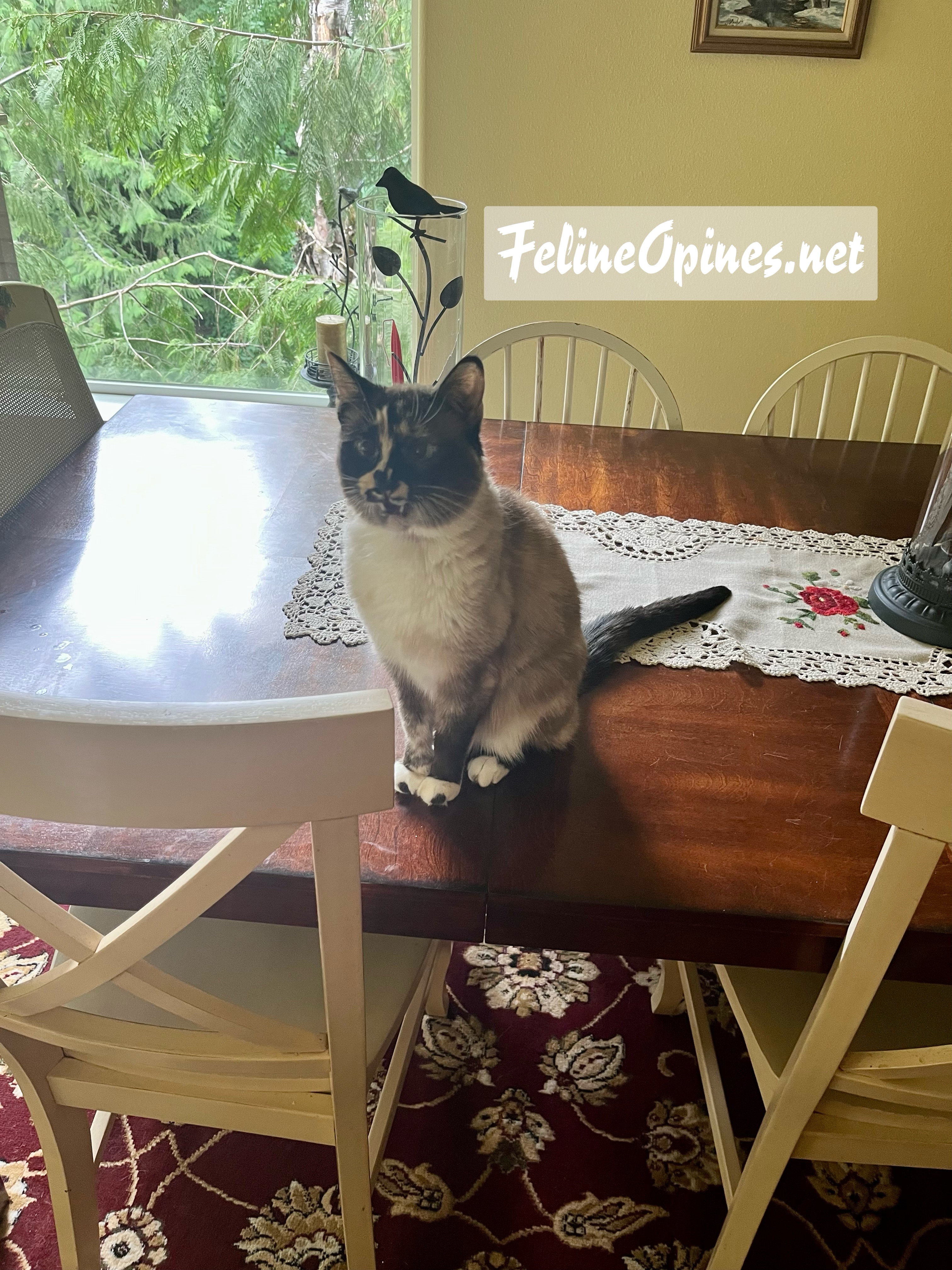
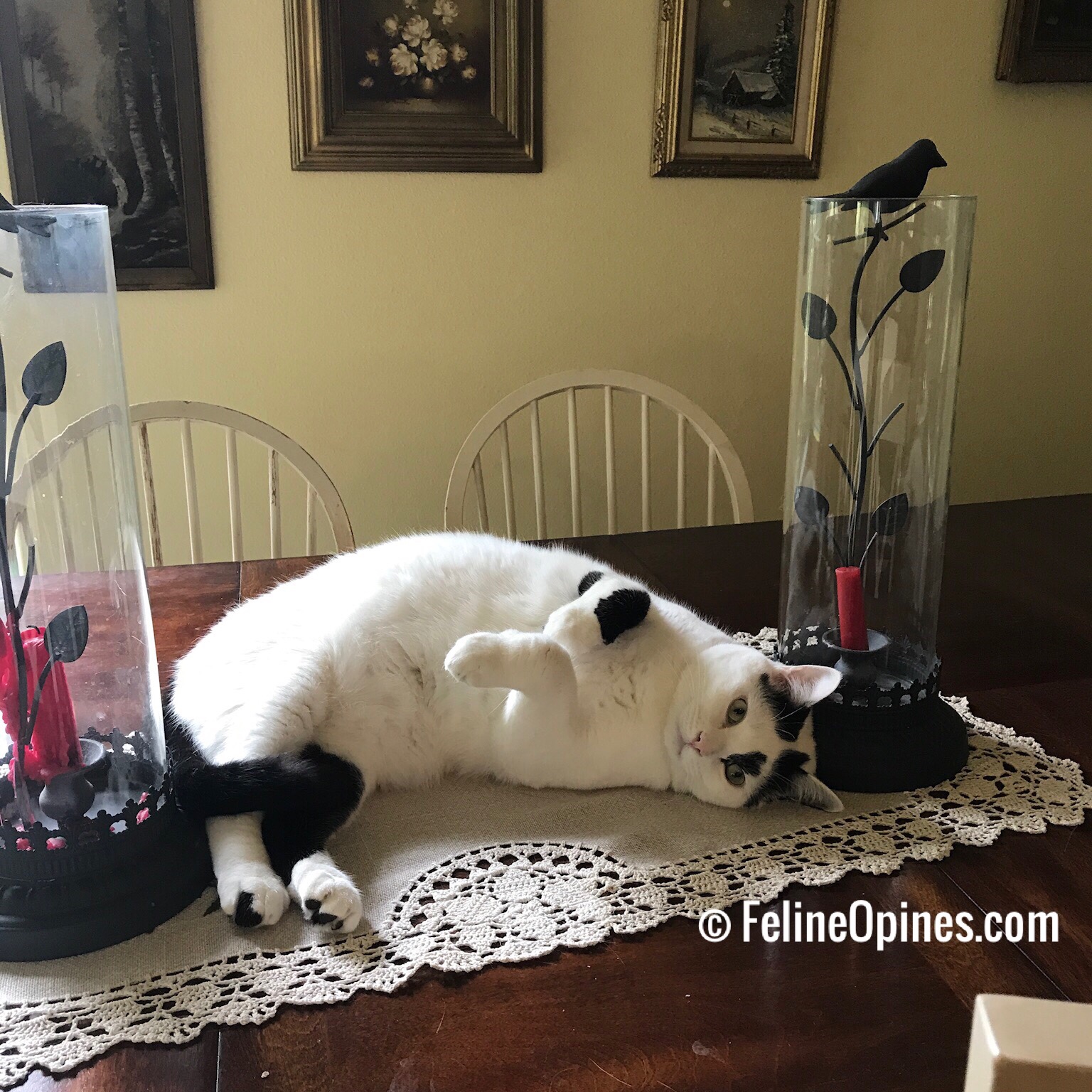
blac,kand white cat on the dining room table
You never know where you’ll be when the nip wears off.

Oh my whiskers. If you’ve ever watched your cat enjoying the “nip” you know how hilarious their behavior and expressions can be. Photographer Andrew Marttila has spent the last six years capturing those crazy moments.

Martilla discovered the joy of photographing cats under the influence of catnip when he was playing around with one of his cameras. On a whim, he gave a bit of catnip to his 13-year-old Bengal cat, Haroun, “to see what his reaction is and try to capture whatever happens.”

“I had no idea what I would get. And the result was something really, really incredible and strange and sparked the interest of a lot of people around the world,” Marttila says. The images launched a series of photographs about cats high on catnip that has been turned into a book, and an annual calendar and more.

Marttila says he loves showing cats’ funny, silly sides. “I think there’s a misunderstanding that cats are aloof or very stoic, and it’s only in recent years that the silliness of cats has started to become more prevalent and prominent in pop culture,” he shares. “And I love exploring that side. I love showing cats sort of just enjoying themselves. I like just showing them funny and out of the norm.”

The flash photography allows him to “freeze these little moments” that “the human eye is not able to see,” he adds. “It’s a different window into their lived experience, especially when they’re high. You’re able to get an insight into just how crazy they do get on catnip.”

The artist loves showing people what their cats really look like in a way they’ve never noticed. “Aside from it just being so different and funny, I love seeing the expression of the guardians when they see just how crazy their cat looks,” he says.

When he arrives at a photo shoot, he usually brings five varieties of catnip with him. “I’ll put catnip on a table or on the ground and have the lighting set up to accommodate where I think they will have their little freak out moment and then sort of just let them do their thing. And as they are going wild, I snap photos.”

Marttila says about 70 percent of cats respond to catnip — and every cat reacts very differently. “You never know what you’re going to get,” he shares. “I think it’s the sort of the surprise factor, especially when I’m taking the photos, even I don’t know what I’ve gotten until I go back and review the images because it happened so quickly.” The Human knows this to be true as we’ve had members of our tribe that turn into really “mean drunks” when they have catnip and the rest of us are more goofy.

For anyone worried the practice may be inhumane, Marttila — who also runs the Orphan Kitten Club rescue in San Diego with wife Hannah Shaw — assuages those fears. “One comment that I get a lot when these pictures are on bigger publications is, ‘This is damaging to the cats. Why are we creating drug addicts in our cats?’ And it’s ignorance. It’s really not understanding what catnip does. And it is a very fast acting type of chemical. It is completely natural. There’s no chance of them becoming dependent on catnip,” he says.

Marttila also encourages people to try it at home. “I highly recommend giving a little bit or a lot of it to your cat just to see what their reaction is. You can follow Andrew Marttila on Instagram.  The Human likes to spread catnip on sheets of newspaper so that we can just roll in it and enjoy. How do you like your nip?

Cat owners called on for UK’s first feline blood bank

Human blood banks have existed in the UK since 1937 and dogs have been participating in blood donations for years. Now, finally, there is a blood bank for felines.  As regulations and logistics have combined to make it difficult for veterinarians to find blood for sick cats who need blood transfusions, they have to search for blood donors when the need is critical. This can cause delays,  blood donations from unsuitable donors (with diseases). Cat blood groups are different than human blood groups and even a teaspoon of the wrong blood could be fatal.  

“The current situation has been very problematic as far as cats dying because there’s not appropriate blood available,” said a veterinary professional.  Although the Royal Veterinary College stores feline blood, that blood is only for animals being treated or referred to the college as it is a transfusion service rather than a blood bank.

In an attempt to rectify the feline blood donation a Portuguese organization called Banco de Sangue Animal (BSA) is hoping to set up the UK’s first feline blood bank to provide a resource for veterinary practices around the country – and it wants cat owners to sign up their furry companions.

“We’ve run a couple of sessions [for blood donation] just to see how it goes. And that’s been going well, but we need more owners and more cats,” said  Samantha Taylor, a specialist in feline medicine, who is working with BSA on the project.

According to new criteria for feline blood banking set out in updated guidance by the Veterinary Medicines Directorate (VMD) last year, among other requirements, cats donating to a blood bank must be at least 5kg in weight, undergo a cardiac assessment before donation and have their blood pressure checked. Only 10% of the cat’s total blood volume can be taken – a more conservative volume than in general practice.

It is not permitted for animals to be sedated when donating blood for storage in the UK. While dogs can be trained to give blood while awake with relative ease, cats can be harder to handle.

“You may find it harder to find suitable [feline] donors than you would with dogs. But that’s just the nature of cats and we should respect that,” said Charlotte Russo, head of transfusion medicine nurse at the RVC, adding the requirement means it is crucial to find cats with the right temperament for being a blood donor. Well that would definitely rule out Lily, aka Princess Stabby Toes.

The BSA has animal blood banks in Portugal, Spain and Belgium, and has learned how to collect donations safely and efficiently with minimal stress to donor cats, so Taylor said the organization was a natural choice for UK vets to partner with to set up a UK-wide feline blood bank.

“The BSA has undergone a very strict and long process of approval,” she said. The organization was recently granted non-food animal blood bank authorization (NFABBA) by the VMD, and the team is working to build up a network of cats who, can donate blood.

Dr Jenny Helm, a trustee of the charity Pet Blood Bank UK, which mainly provides canine blood to veterinary practices, said there was a significant need for a feline blood bank in the UK, particularly as other products that previously bridged the gap – such as a haemoglobin-based blood substitute – were no longer available.

“[The BSA bank] will benefit so many cats across the country that will be able to access blood products at any time of day just like dogs can, just like people can,” she said. UK felines can register to determine suitability at uk.animalbb.org

Mystery of Lost Cat Found 9,000 Miles From Home Finally Solved

Oh how I love a good feline mystery and this one is excellent. This is a mystery of a lost cat who was found wandering 9,000 miles from its home in Australia .

Melvin the cat was found in Renfrewshire, Scotland, before he was picked up by the Scottish Society for the Prevention of Cruelty to Animals (SPCA). A local resident had been feeding the cat twice a day since Christmastime. However, they started to notice he was not looking well, the Scottish SPCA said in a press release.

After picking the cat up and giving him veterinary attention, the Scottish SPCA checked his microchip, only to find he was registered to an address all the way in Australia.

Laura McIntyre, Scottish SPCA chief inspector, said that one of the first things the charity does, when taking in a lost pet, is to check for a microchip.

“As you can imagine, the team were slightly confused when Melvin’s details came back registered to an address in Australia,” McIntyre said.

After some investigating, it turned out that Melvin belonged to a Scottish couple, Jacqueline and Matt Dick, who had lived in Australia for 14 years. They had recently made the move back home, spending $8,000 to transport Melvin, and their dog, to Scotland. However, Melvin went missing shortly after they settled into a new home, just eight weeks after moving, in August 2022.

Thank goodness the mystery of Melvin’s disappearance was solved and he is back at home with his humans.

“We were devastated when Melvin went missing. We did everything we could think of to try and find him, but by winter we feared the worst,” Jacqueline Dick said in a press release from the Scottish SPCA. “We were over the moon when we received the call that he’d been found by the Scottish SPCA.

“The first night we got him home he didn’t leave my side and was purring really loudly. I was in floods of tears as I never thought I’d see him again,” she added. “We just want to say a big thank you to everyone who looked out for him while he was missing and helped get him back home where he belongs.”

This isn’t the first adventure Melvin has had. During his time in Australia, he was caught up in a fight with a dingo, a type of wild dog. Luckily, he survived the ordeal, using up only one of his nine lives.

Oh how I love a happy ending and again, I will repeat my favorite phrase….THINK LOST NOT STRAY!